.webp)
The Night the Candy Went Too Far
Megan had always loved Halloween. Every October, she decorated her Clairemont home with carved pumpkins, fake cobwebs, and orange lights strung across her front porch. She was the kind of neighbor who made full-sized candy bars a tradition—something the kids on her block looked forward to all year.

That particular Halloween evening, the air in San Diego had a rare, gentle chill. Megan sipped spiced cider between visitors, sneaking a caramel or two each time she refilled the bowl. She didn’t think much of it—it was Halloween, after all.
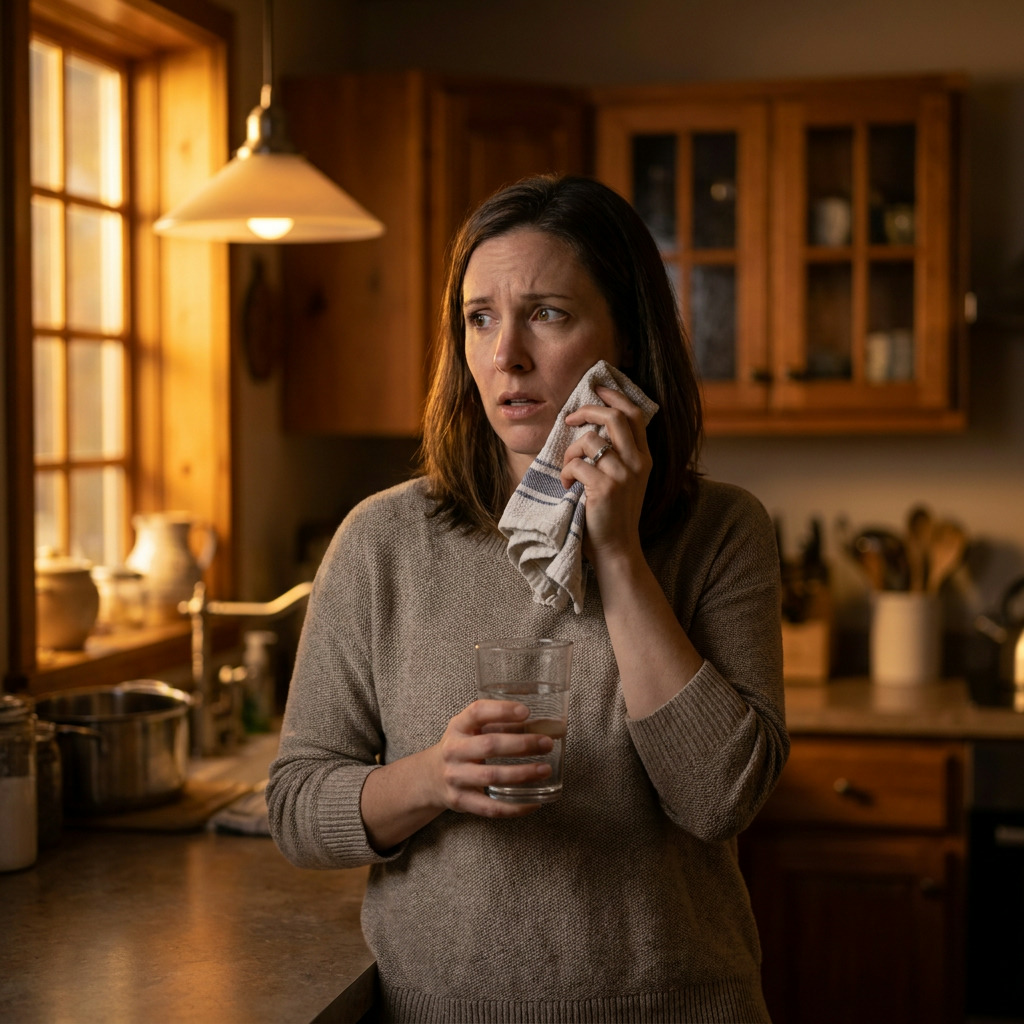
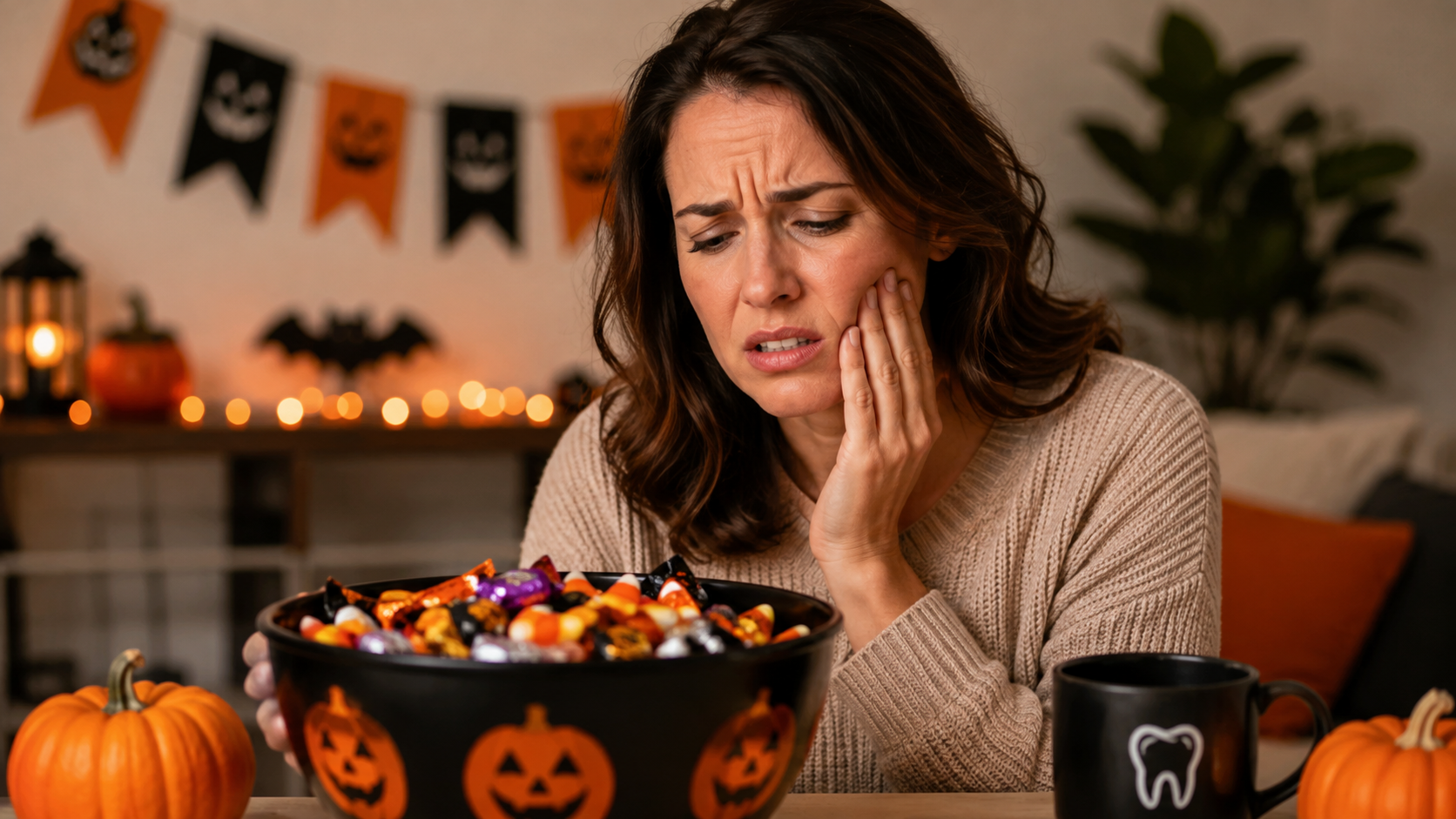
By morning, though, something wasn’t right. A dull, pulsing ache had begun in her lower jaw, right where an old filling lived. She pressed her tongue to the spot, wincing at the tenderness. “Probably just too much sugar,” she told herself, reaching for an ice pack before heading to work.
But over the next few days, the pain grew sharper—especially when she bit into anything warm or chewy. By the third night, she couldn’t even finish her dinner. “Okay,” she sighed, setting down her fork. “This isn’t normal.”
That’s when she picked up the phone and called Clairemont Dentistry.
The Trick Behind the Treats

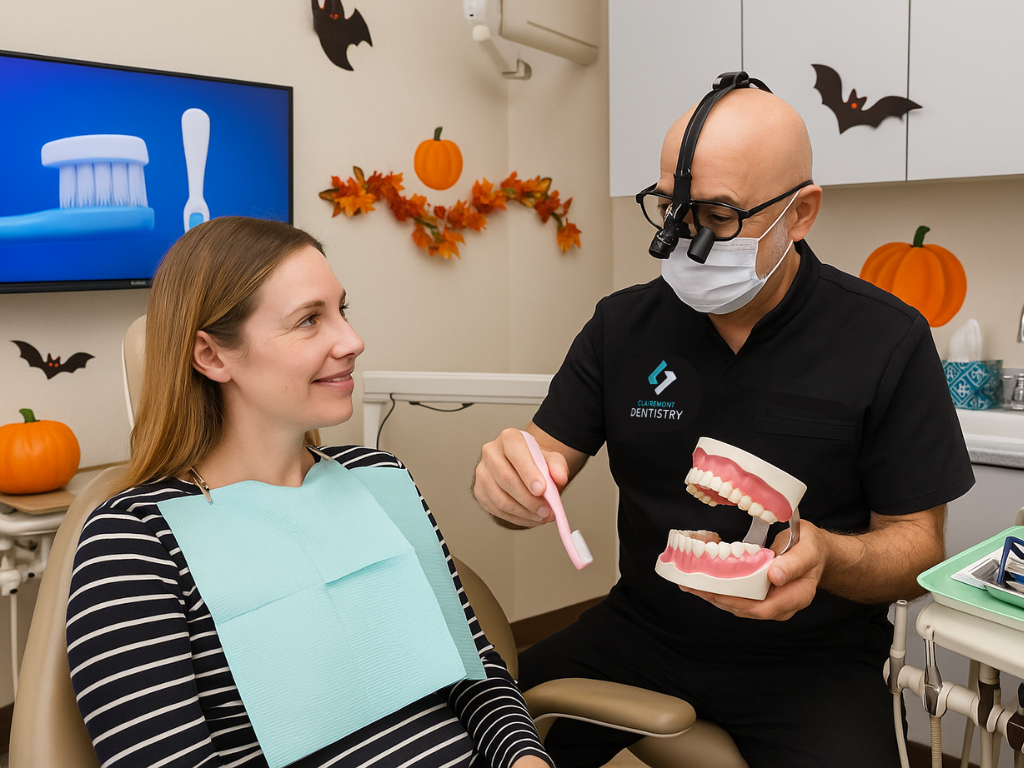
When Megan arrived for her appointment, she was nervous and embarrassed. “I feel silly being here over a caramel,” she admitted to Dr. Miller as she settled into the chair.
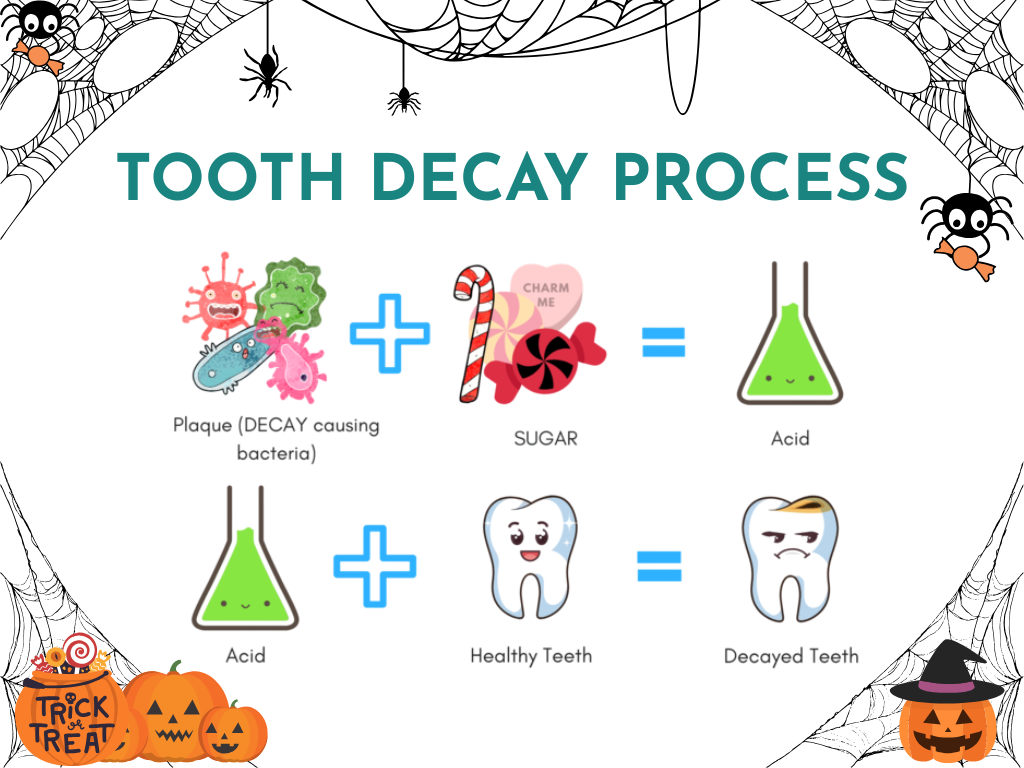
Dr. Miller smiled reassuringly. “You’d be surprised how many people say that this time of year,” he said, pulling up her digital x-rays. “Candy doesn’t cause instant damage—but sticky ones can work their way into small crevices or under old fillings, and that’s when bacteria gets its opportunity.”
He zoomed in on her x-ray and gently pointed. “Here’s the culprit. There’s decay just beneath this old restoration. The caramel probably got caught here, feeding the bacteria and creating pressure near your nerve.”
Megan leaned closer, eyes widening. “So this wasn’t just about the candy?”
“Not really,” he said. “It’s a reminder that our teeth are living structures. Even a small weakness can open the door to something bigger.”
When Small Delays Become Big Problems
Megan admitted she hadn’t seen a dentist in nearly two years. Life had been busy—work deadlines, her mother’s health, endless errands. “I brush every day,” she said, “but I thought missing one check-up wasn’t a big deal.”
Dr. Miller nodded with empathy. “That’s one of the most common things I hear. Teeth are quiet until something changes. But what’s happening beneath the surface isn’t always visible—or painful—until bacteria reaches the inner layer.”
He explained that small areas of decay can expand silently for months, even years, especially around older fillings. By the time patients notice discomfort, decay often requires more than a simple filling.
“So this could have been caught earlier?” she asked softly.
“Absolutely,” he said. “But the good news is you came in soon enough that we can save your tooth.”
The Fix: Comfort Over Chaos
Dr. Miller recommended removing the decayed area and placing a new crown to reinforce the weakened tooth. Megan hesitated at first, imagining loud drills and gooey impressions—the things she remembered from dental visits years ago.
But the process wasn’t what she expected.
The 3D scanning wand replaced the old molds, mapping every curve of her tooth in seconds. The screen showed her tooth rotating in crisp digital detail, almost like a piece of art.
“I can’t believe this technology exists,” she said, watching as Dr. Miller adjusted the scan.
He smiled. “We’ve come a long way. This lets us create a crown that fits perfectly—and looks completely natural.”
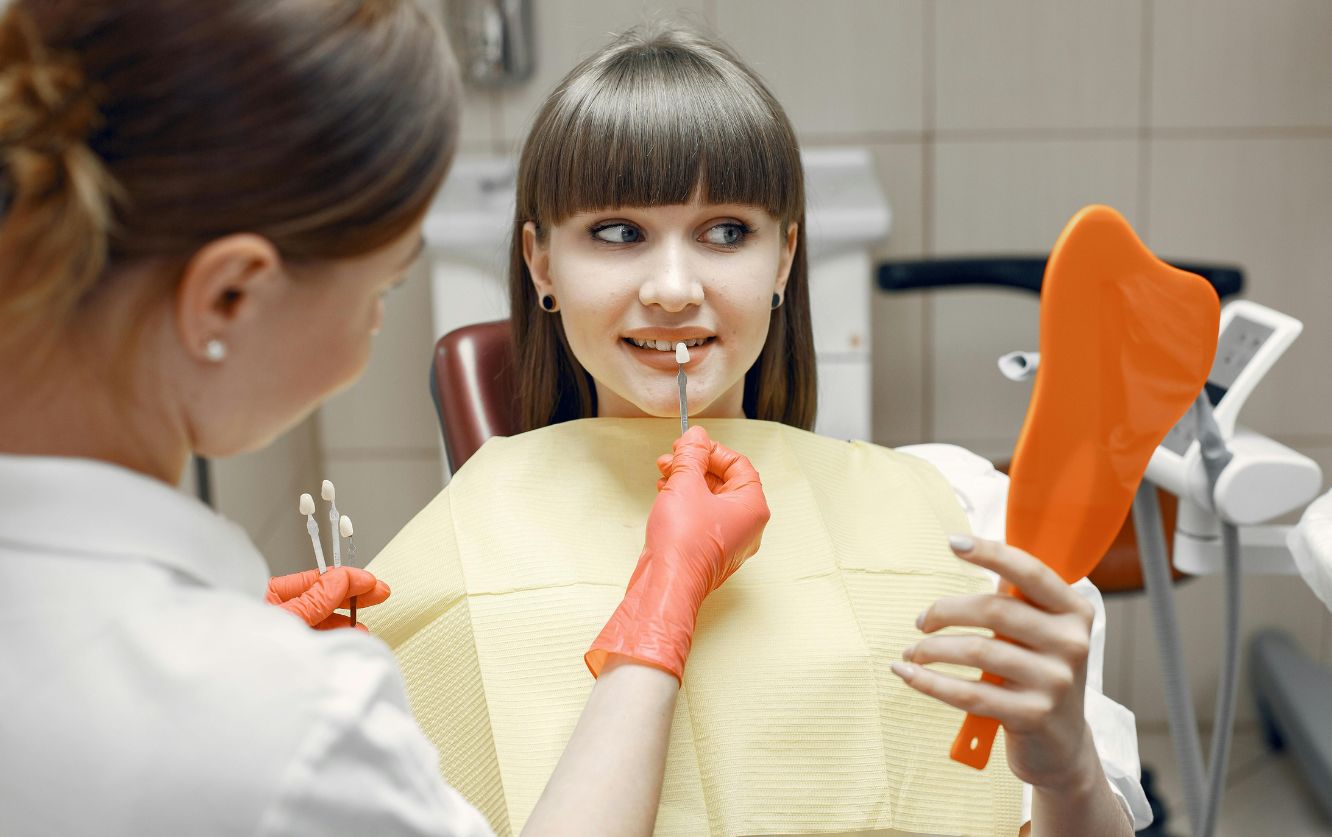
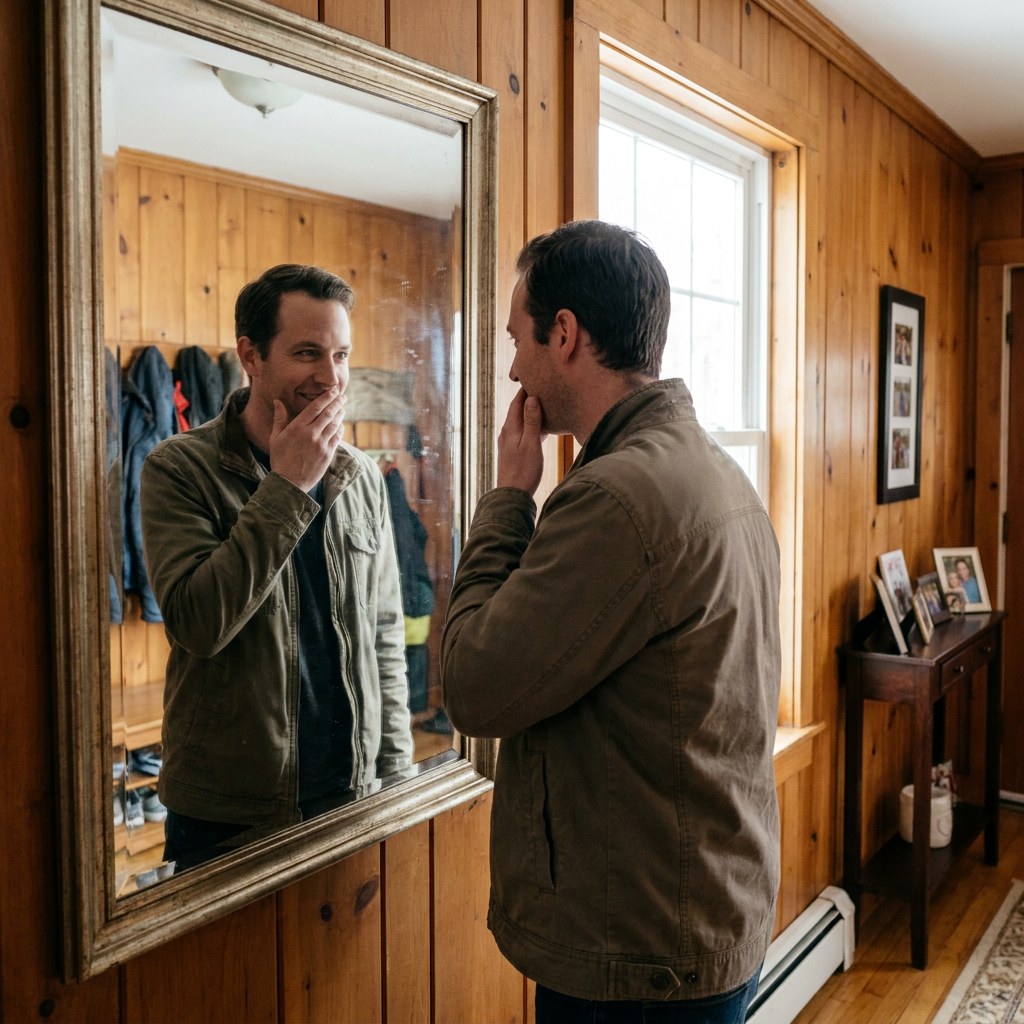
A temporary crown was placed that day, and within a week, her final restoration was ready. The result blended flawlessly with her other teeth. When she looked in the mirror, she couldn’t tell which tooth had been treated.
“Feels like it’s always been there,” she said with relief.
Why Halloween Brings More Patients Than You Think
Each year, in the weeks following Halloween, dental offices see a noticeable uptick in emergency calls.
The reason isn’t mysterious—it’s sugar. But more specifically, it’s how long sugar stays on your teeth.
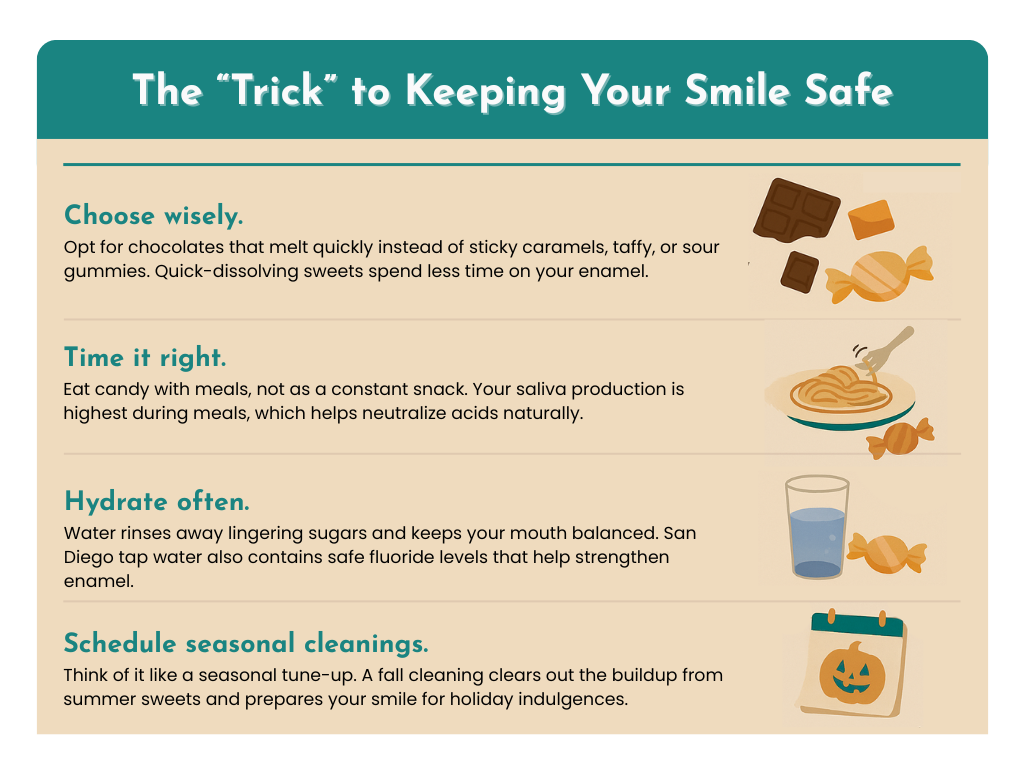
Sticky candies like caramels and taffy cling to enamel for minutes, even hours, creating a perfect feeding ground for bacteria. Hard candies, meanwhile, dissolve slowly, bathing teeth in sugar. Sour gummies? They’re acidic enough to erode enamel directly.
Combine that with colder weather (which often means more hot drinks and sweets) and skipped cleanings during the busy fall season, and you get the perfect setup for sudden sensitivity or pain.
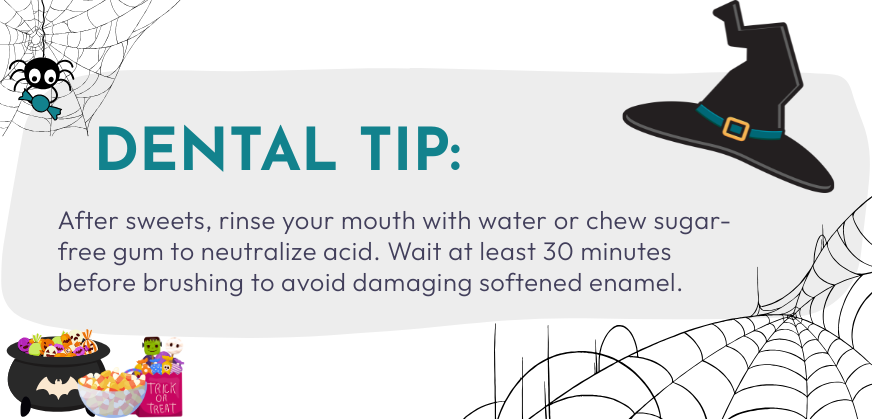
At Clairemont Dentistry, we see this pattern every year. But what matters most isn’t the candy—it’s how you care for your teeth afterward.
The Emotional Side of Dental Pain
When Megan returned for her follow-up visit, the pain was gone, but the experience had left an impression. “It wasn’t just the toothache,” she told Dr. Miller. “It was how helpless I felt when it hit. I couldn’t sleep, couldn’t eat, couldn’t focus—and it made me realize how much I take my teeth for granted.”
Dr. Miller nodded thoughtfully. “That’s something we hear often. Pain takes away your sense of control. But the good news is that prevention gives it back.”
For many patients, that’s the emotional turning point—the realization that dental care isn’t just about avoiding pain, but protecting peace of mind.
Megan scheduled her next cleaning before she even left the office. “I don’t ever want to wait that long again,” she said.