
Expert dental tips, news, and smile advice
Is This Tooth Pain An Emergency Or Can It Wait?
January 7, 2026
By Clairemont Dentistry
The Buzzing Phone, The Throbbing Jaw
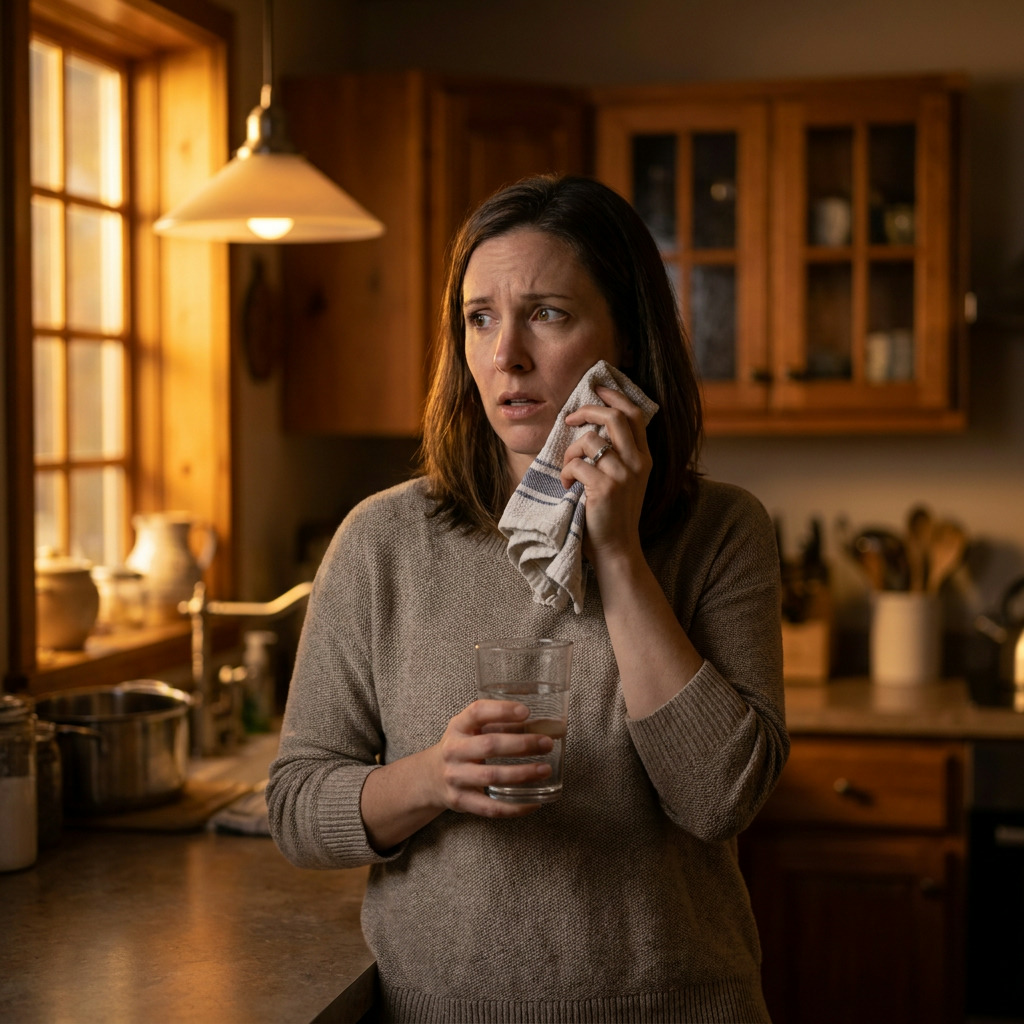
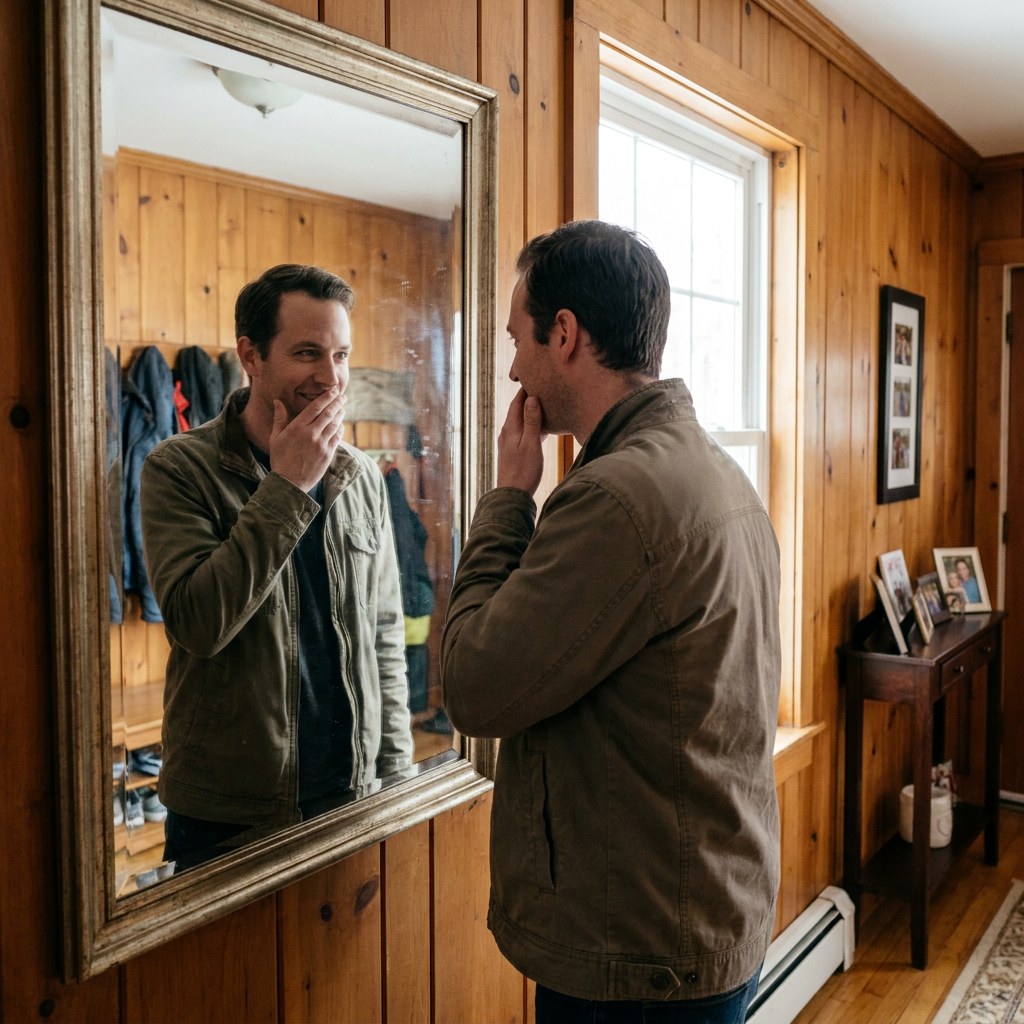
Jasmine was halfway through closing up her salon when it hit, that deep, pulsing toothache that feels like your heartbeat moved into your cheek. She tried to smile through a client’s last joke, but her face twitched anyway. When she turned toward the mirror, she saw it, a slight puffiness under her left eye, the kind that makes you look tired even if you are not.
She rinsed with water, then with mouthwash, then with panic. “It’s probably nothing,” she told herself, because that is what you say when you want the world to stay normal. But on the drive home, every bump in the road made her molar feel like it was ringing like a struck bell.

The Question That Keeps People Up
At home, Jasmine did what most people do when the pain gets personal. She Googled. A lot. She read words like “abscess” and “infection,” and suddenly her toothache felt less like a nuisance and more like a ticking kitchen timer.
Then she stared at the clock and thought the same thing you might be thinking right now. Is this an emergency, or can it wait until my schedule calms down? Because calling an emergency dentist feels dramatic, until it is not.
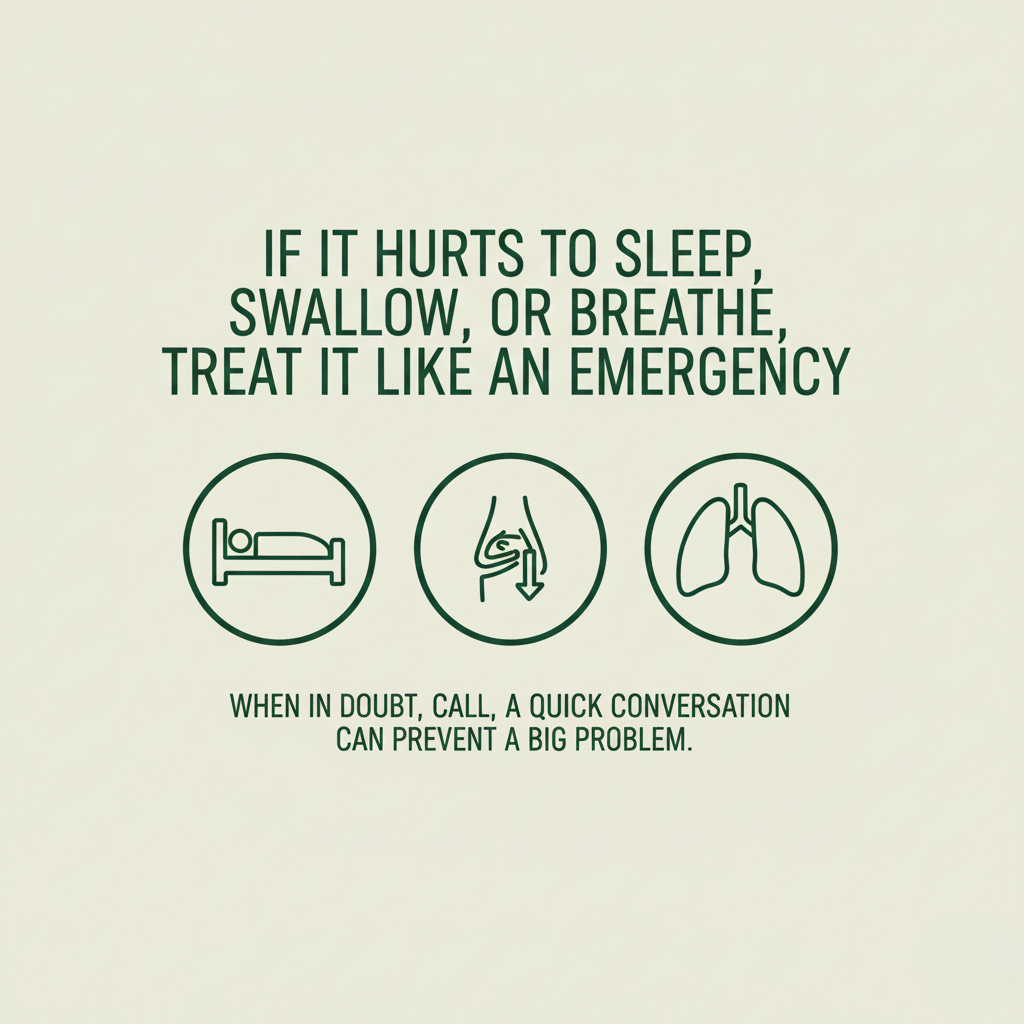
Her husband offered a practical question. “Can you sleep?” Jasmine opened her mouth to answer, then winced because the cold air made her tooth zing. That was the answer.
What Actually Counts As A Dental Emergency
Here is the truth your mouth rarely announces politely. Some dental emergencies look subtle at first. A little swelling. A “weird taste.” A tooth that feels taller than yesterday. And then you wake up with a face that does not look like yours.
A dental emergency usually means time matters, either because pain is severe, infection may be spreading, or the tooth can be saved only if you act quickly. Think of it like a kitchen leak. A slow drip is annoying, but a bulging ceiling is urgent.
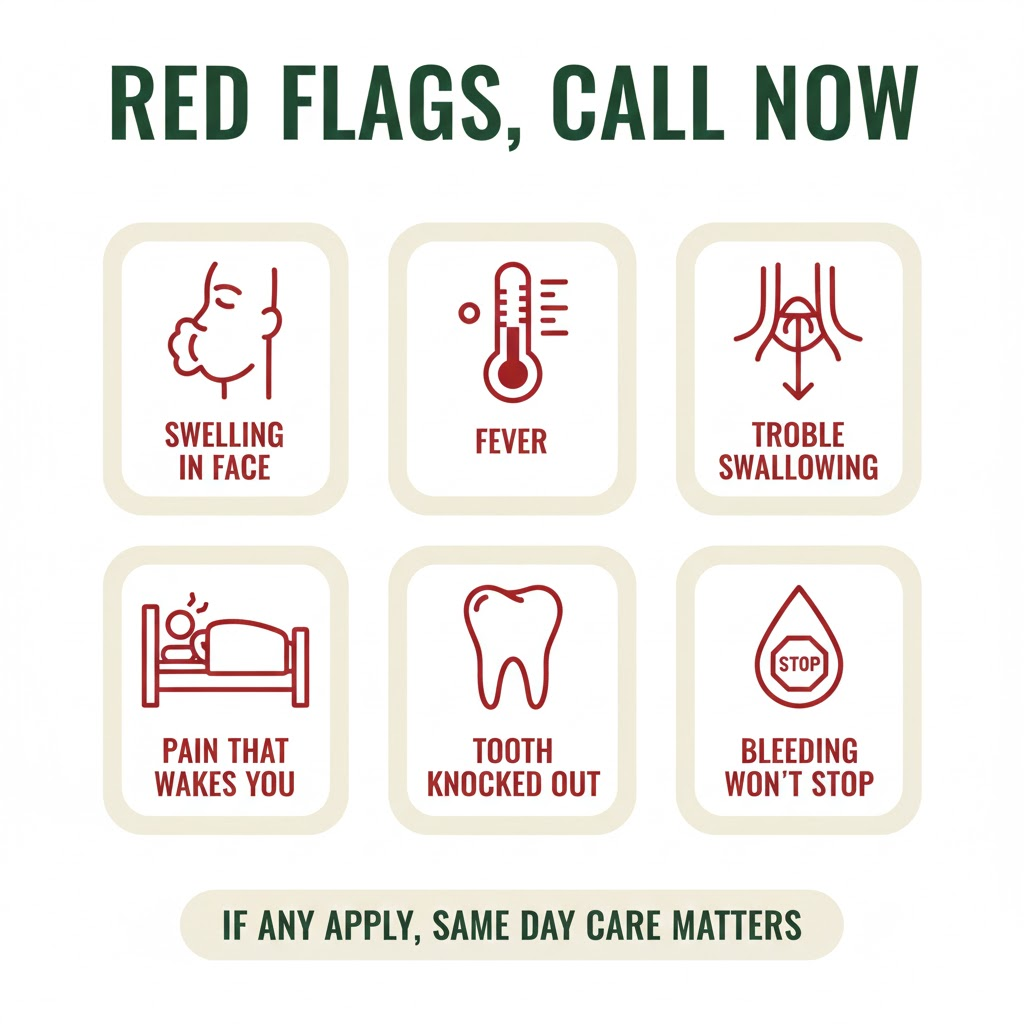
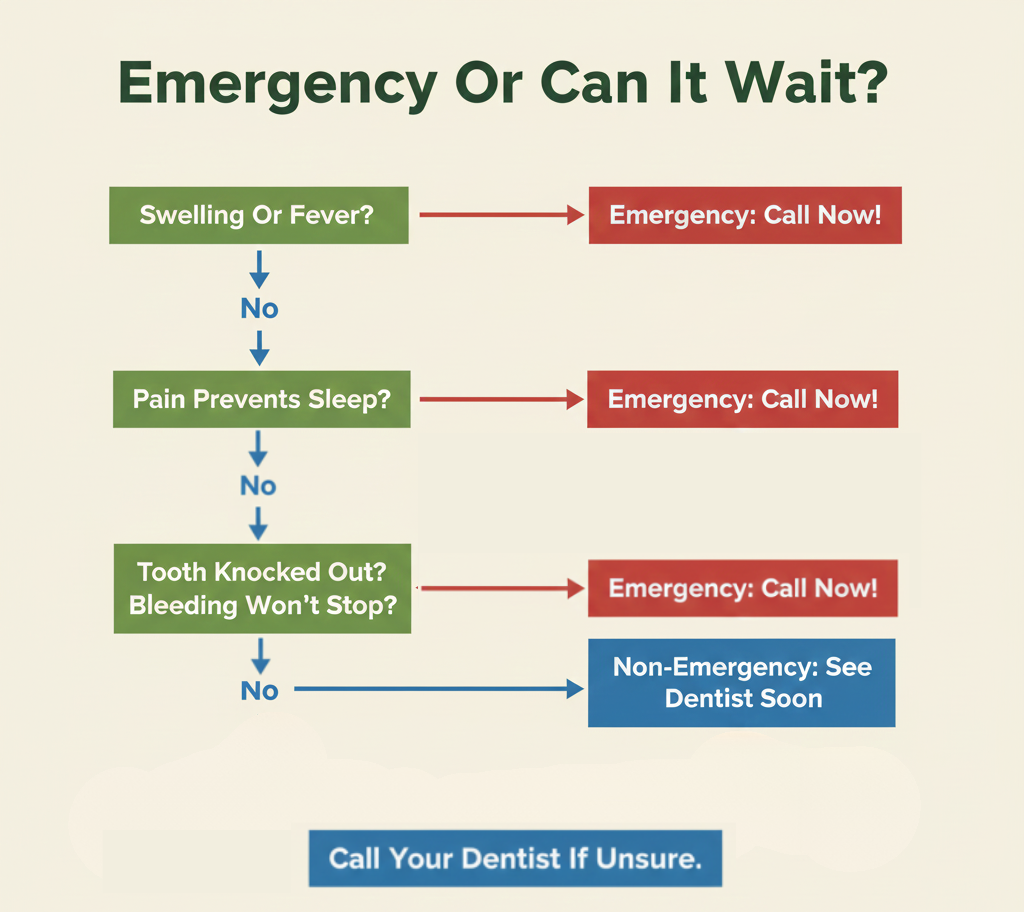
Common reasons to call an emergency dentist include:
- Swelling in your gums, face, or jaw
- Severe toothache that does not calm down with basic pain relief
- A knocked out tooth or a tooth that suddenly feels loose
- Bleeding that will not stop
- Signs of infection, like fever, pus, a bad taste, or worsening pressure
- A broken tooth with sharp pain or exposed inner tooth structure
If you are in San Diego and unsure, it is exactly what emergency dental care is for, sorting “wait” from “do not wait” without making you feel silly for asking.
Jasmine’s Turning Point, The Swelling Clue
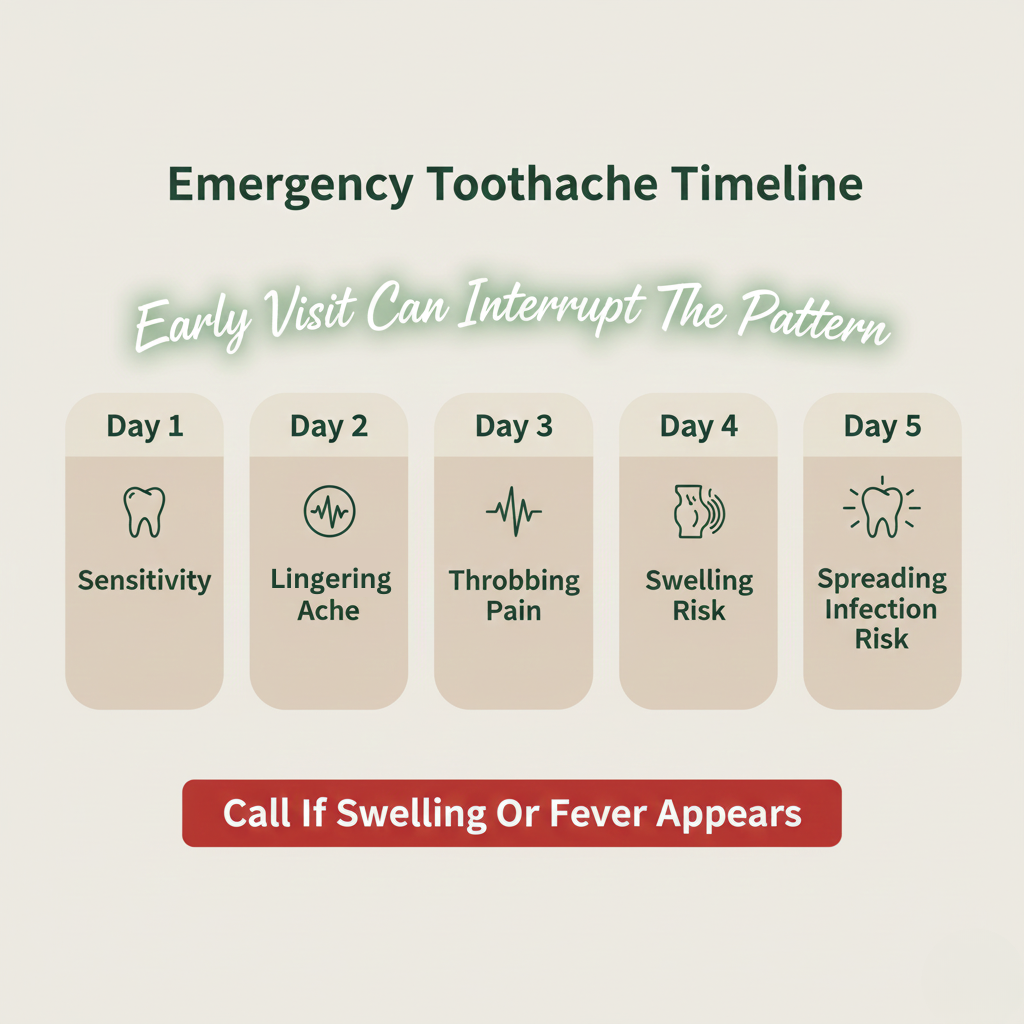
By midnight, Jasmine’s pain had a personality. It surged, backed off, then surged again, like waves hitting a seawall. She pressed an ice pack to her cheek and noticed something that changed her whole decision.
The swelling was warmer than the rest of her face. Not huge, not dramatic, but warm. And that warmth matters because it can signal inflammation or infection, your immune system showing up like a neighborhood watch with flashlights.
She thought about waiting until Monday. Then she pictured herself at the salon, trying to talk through numbness, pretending nothing was wrong. That fantasy collapsed fast.
So she called Clairemont Dentistry. Not because she wanted a big procedure, but because she wanted a professional to tell her, honestly, what was happening.
%20(4).png)
The Sneaky Danger Of Waiting Too Long
When you are deciding whether to wait, it helps to know what “waiting” actually risks. Pain is not the only problem. Infection is the bigger storyline, and infections do not respect your calendar.
An untreated dental infection can move from the tooth to the surrounding bone and soft tissues. That can mean:
- More intense pain, often harder to control
- More complex treatment, like root canal therapy or extraction
- Higher costs, because bigger problems require bigger solutions
- More downtime, because swelling and infection sap your energy
Think of your tooth like a house with a small fire behind the wall. You might not see flames yet, but you can smell smoke. Early action is often what keeps it from becoming a renovation.
Jasmine did not need a lecture. She needed clarity. And that is what a good emergency visit provides, a plan, not panic.
Ready to Transform Your Smile?
Jasmine told the front desk something that stuck with her later. “I almost didn’t call because I didn’t want to overreact.” The response was gentle, and very real. “We’d rather you call early than suffer quietly.” If you are hovering in that same uncertainty, you do not have to decide alone.
Discover the best solution for your smile at Clairemont Dentistry. Schedule your appointment now and let our expert team guide you to a confident, healthy smile.

What Happens At An Emergency Visit
People often avoid calling because they imagine chaos, alarms, and strangers rushing around. In reality, a good emergency appointment is structured and surprisingly calm.
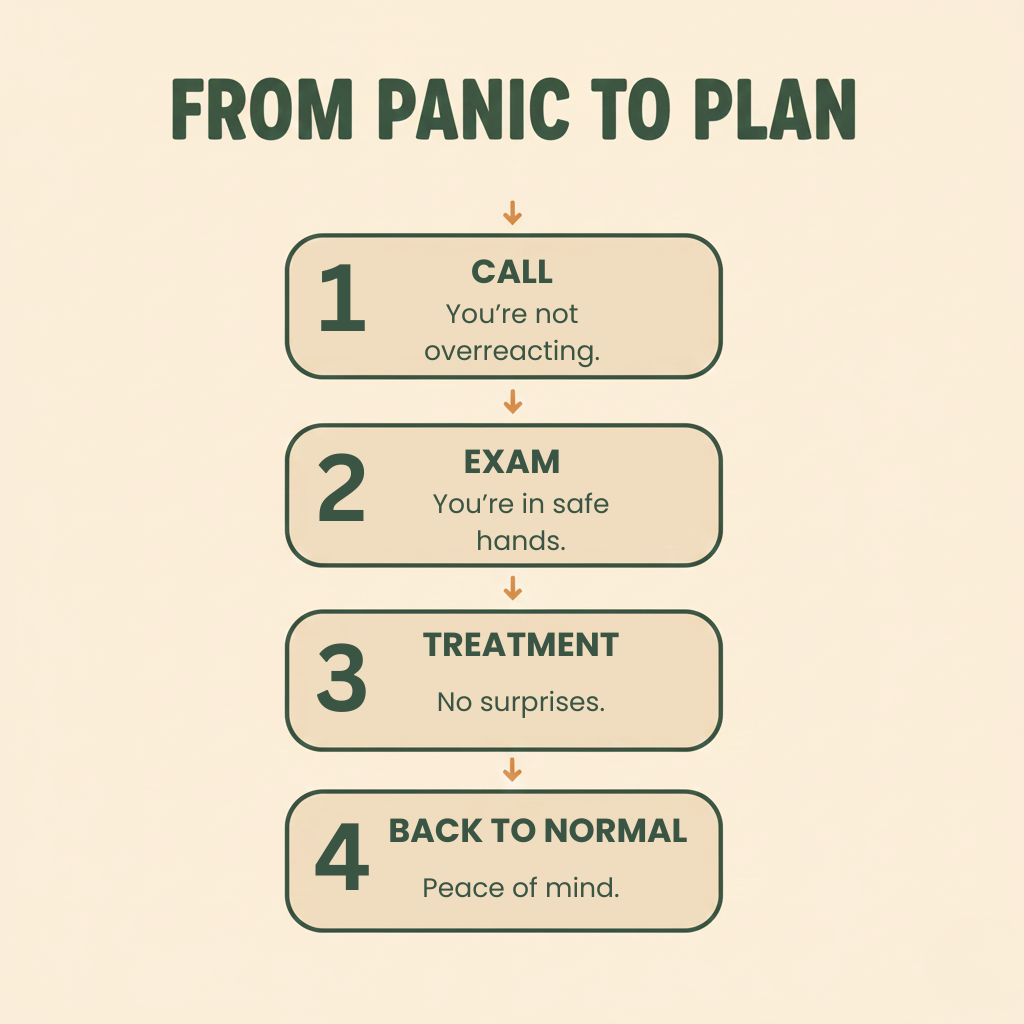
Jasmine’s visit followed a simple rhythm:
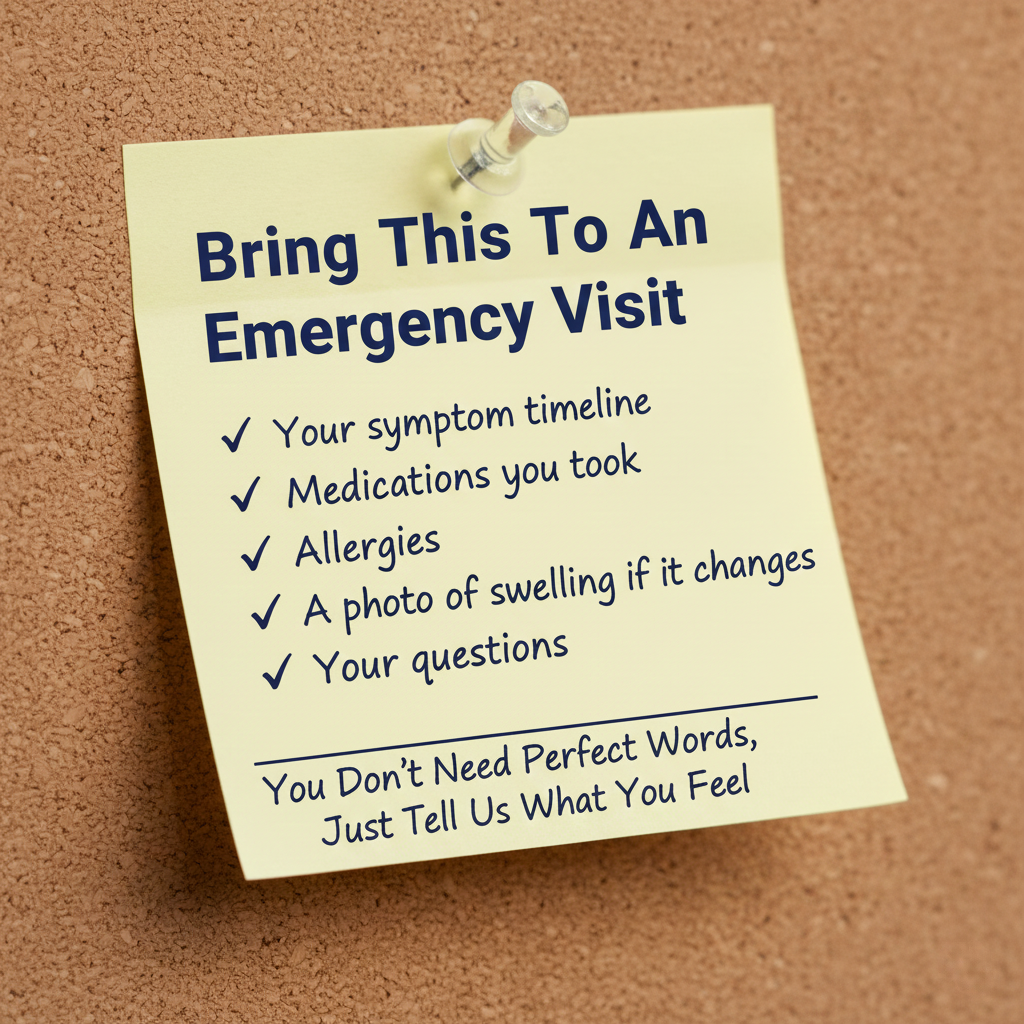
- Listen first. Where does it hurt, what triggers it, how long has it been building?
- Look carefully. Gum evaluation, bite check, testing hot and cold, checking for cracks.
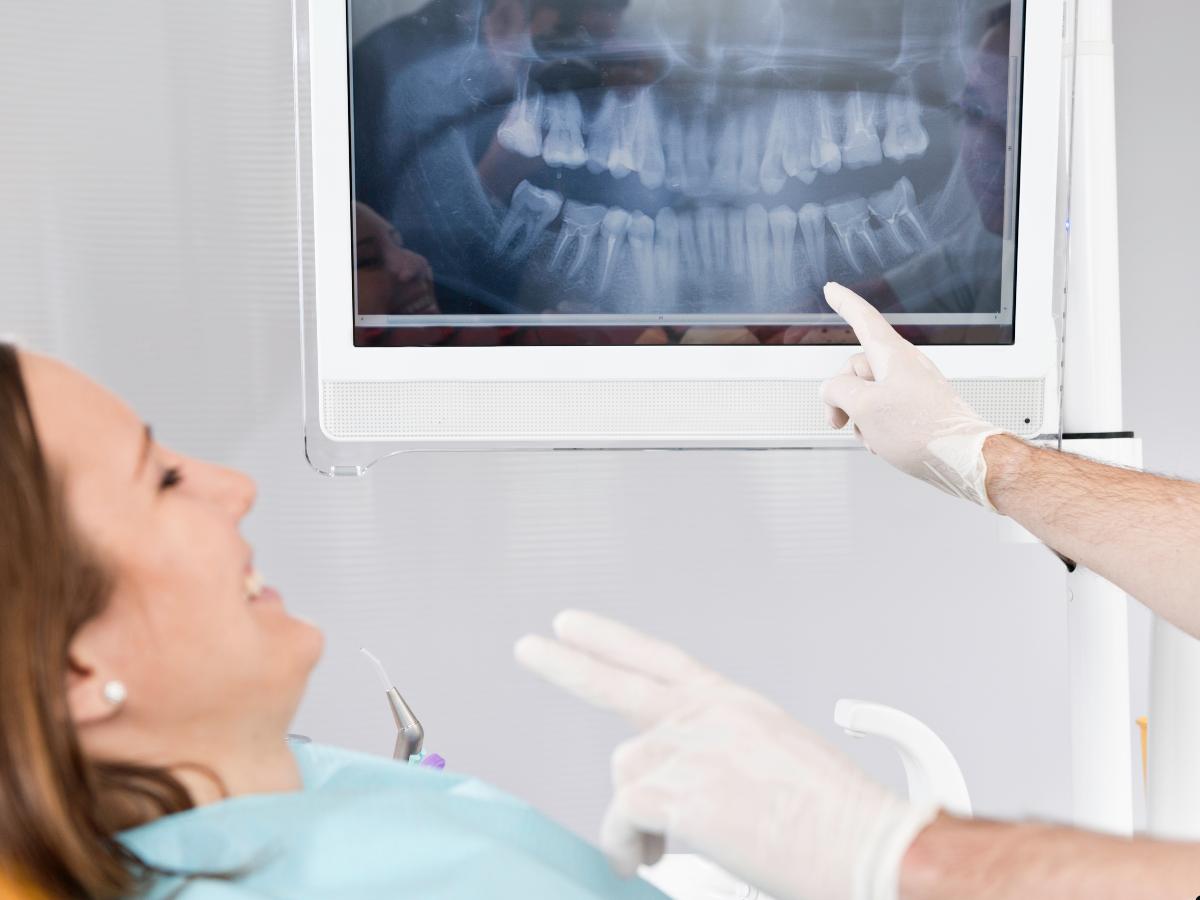
- X-rays or imaging. Not to “sell” treatment, but to see the hidden story.
- Relief. Getting you comfortable matters, because pain hijacks decision-making.
- A clear plan. What must be done today, what can be scheduled, what you can do at home.
Dr. Yaron Miller explained it in a way Jasmine could feel. “We’re not just chasing pain, we’re finding the cause.” That line landed because it meant she could stop guessing.

The Diagnosis, And The Relief Of A Name
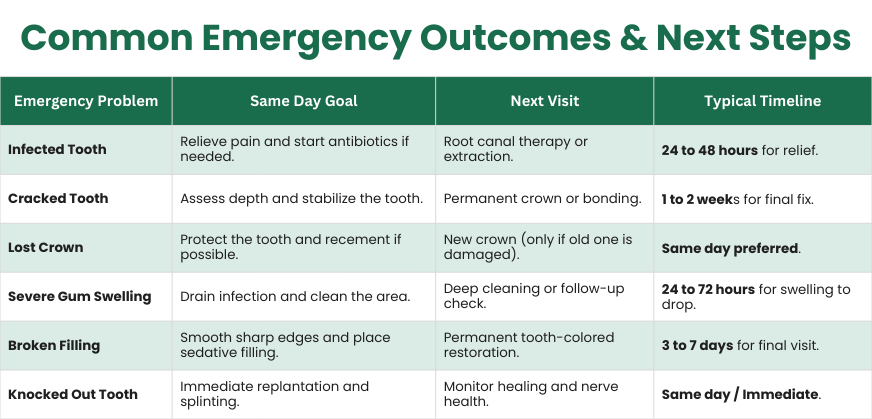
Jasmine’s X-ray showed a shadow near the root tip, consistent with infection. Her gum near the tooth was tender, and a small bump suggested drainage. It was not just a random ache. It was the kind of problem that gets louder when ignored.
Dr. Miller walked her through options without pressure. The immediate goal was to reduce pain and control infection risk, then decide on definitive treatment. Depending on the tooth’s condition, that might mean root canal therapy and a crown, or in some cases, extraction followed by replacement.
Jasmine’s biggest fear was simple. “Is this going to get worse overnight?” Dr. Miller answered honestly. “It could, which is why you came in at the right time.”
That sentence did something painkillers cannot. It gave her back a sense of control.

The Midstory Choice, Fix Today Or Stabilize First
Not every emergency visit ends with a big procedure the same day. Sometimes the smartest move is stabilizing first, then doing the definitive treatment when conditions are safer and more comfortable.
Jasmine needed immediate relief and a plan. Dr. Miller discussed next steps and how restoration protects a tooth after treatment. If a tooth is weakened or has significant decay, a protective restoration like a crown can be the difference between keeping it for years versus losing it later.
That conversation led naturally into something many people do not realize. Emergency dentistry is often the start of saving a tooth, not the end of the story. If you need restorative work, it should feel connected, not chaotic.
If you want to understand those longer-term options, you can explore restorative dentistry treatments and how they fit after an urgent visit.

What You Can Do While You Decide
Sometimes you are reading this at midnight, or you are traveling, or you truly cannot get in immediately. If you are unsure and symptoms are mild, a few steps can help you protect the situation until you can be seen.
- Rinse gently with warm salt water, especially if gums feel irritated
- Use cold compresses on the outside of your face for swelling
- Avoid chewing on the painful side, and skip hard, crunchy foods
- Stick to lukewarm, extreme temperatures can trigger nerve pain
- Use over-the-counter pain relief only as directed, and avoid placing aspirin directly on gums
What not to do matters, too. Do not ignore facial swelling, do not “test” the tooth by biting harder, and do not assume antibiotics alone solve the problem. Antibiotics can help manage infection, but the tooth usually still needs treatment.
If the issue involves a damaged tooth structure, learning about protective restoration can help you understand what comes next, like dental crowns that shield weakened teeth.

The Outcome, And The Quiet Emotional Win
Jasmine left with her pain under control and a clear next step. She also left with something she did not expect. Confidence. Not the cosmetic kind, but the steady feeling of “I handled it.”
Over the next visits, she completed the recommended treatment plan and protected the tooth for long-term strength. She noticed a subtle change in her daily life. She ate without thinking about it. She smiled at clients without guarding her mouth. The mental load vanished.
That is what emergency dentistry can do when it is done right. It takes a scary, uncertain moment and turns it into a pathway. Not just toward relief, but toward stability.
And if your emergency involves something more complex, like a problematic wisdom tooth flare or a tooth that cannot be saved, it helps to know you also have options through oral surgery services when needed, with careful planning and comfort in mind.

The Simple Rule If You Are Unsure
If you remember only one thing, let it be this. If you are asking whether it is an emergency, it deserves a conversation. Emergencies are not always dramatic. Sometimes they are quiet, persistent, and escalating.
A good dental team will help you sort it out quickly, even if the answer is, “Yes, you can schedule this next week.” The point is that you stop carrying it alone.
If you are looking for a trusted home base for both urgent care and long-term dentistry, you can always start at Clairemont Dentistry’s homepage and choose the path that fits what you are feeling.
Jasmine’s biggest regret was not calling sooner. Her biggest relief was realizing she did not have to tough it out. You don’t either.
If you are dealing with tooth pain, swelling, a broken tooth, or that gut feeling that something is not right, reach out. Call Clairemont Dentistry at (858) 560-4009, or request an appointment through our contact page. We will help you figure out what is urgent, what can wait, and how to get you comfortable again.
FAQ
How Do I Know If My Toothache Is An Emergency?
If your pain is severe, throbbing, worsening, or keeping you from sleeping, it is worth calling the same day. If you also have swelling, fever, a bad taste, or tenderness that feels like pressure building, treat it as urgent. Even if you are unsure, calling Clairemont Dentistry can help you decide quickly.
Is Facial Swelling From A Tooth Always Serious?
Facial swelling is one of the clearest signs that you should not wait. Swelling can indicate infection, and infection can spread. If swelling is growing, warm, painful, or paired with fever, it deserves immediate dental evaluation.
What If I Lost A Crown Or Filling, Is That An Emergency?
It depends on symptoms. If you have sharp pain, temperature sensitivity, or a rough edge cutting your tongue, call soon, because exposed tooth structure can deteriorate quickly. If it is painless and stable, it may be able to wait a short time, but you should still schedule promptly to avoid further damage.
How Much Does Emergency Dental Care Usually Cost?
Costs vary based on what is needed, exam, imaging, and treatment. The important thing is that early care often costs less than waiting for a bigger problem like infection spread or tooth fracture. Clairemont Dentistry will explain options clearly so you can make a comfortable decision.
Will Insurance Cover An Emergency Dental Visit?
Many dental plans help cover emergency exams and X-rays, and coverage for treatment depends on your plan. If you are unsure, the team can help you understand your benefits and expected out-of-pocket costs before you commit to treatment.
Can I Go To The ER Instead Of The Dentist?
An ER can help with pain control and may prescribe medication, but they usually cannot provide definitive dental treatment like draining an abscess, stabilizing a tooth, or restoring a broken tooth. If your symptoms involve trouble breathing, severe swelling, or a medical emergency, go to the ER, otherwise an emergency dentist is typically the fastest path to real relief.

Make An Appointment
Fill out the form and a member of our team will get back to you with your appointment confirmation shortly
Office Hours
Monday
9:00 AM - 5:00 PM
9:00 AM - 5:00 PM
Tuesday
8:00 AM - 4:30 PM
8:00 AM - 4:30 PM
Wednesday
9:00 AM - 5:00 PM
9:00 AM - 5:00 PM
Thursday
10:00 AM - 6:00 PM
10:00 AM - 6:00 PM
Friday
9:30 AM - 3:30 PM
9:30 AM - 3:30 PM
Saturday
Closed
Closed
Sunday
Closed
Closed
.webp)