Back to Blogs

Are Veneers Bad for You? Debunking Myths

Veneers safely enhance smiles when placed by skilled professionals like Dr. Yaron Miller, prioritizing minimal enamel removal and long-term care.

July 9, 2026
2 min read
Caleb, in a navy crewneck, unwraps a new night guard on his nightstand next to a book.
Back to Blogs

Are Veneers Bad for You? Debunking Myths

Caleb, in a navy crewneck, unwraps a new night guard on his nightstand next to a book.

Veneers safely enhance smiles when placed by skilled professionals like Dr. Yaron Miller, prioritizing minimal enamel removal and long-term care.

July 9, 2026
2 min read

Are Veneers Bad for Your Oral Health?

Veneers are not inherently bad for your oral health when placed by an experienced professional like Dr. Yaron Miller at Clairemont Dentistry, especially when adhering to conservative preparation techniques. Concerns about their impact often stem from misconceptions about enamel removal and long-term care.

Modern dental techniques prioritize preserving as much natural tooth structure as possible. While a small amount of enamel reduction is typically necessary for traditional porcelain veneers, this process is meticulously planned to ensure the veneer fits seamlessly without adding bulk or compromising the tooth's integrity. For example, Dr. Miller uses advanced imaging to map out the precise amount needed, ensuring optimal fit and aesthetics.

Dr.

Veneer Safety and Enamel Removal Concerns

The extent of enamel removal for veneers is a primary concern, but advancements in dentistry allow for minimal or even no-prep options in some cases. Traditional veneers require a small amount of enamel to be removed, typically about 0.3mm to 0.5mm, to ensure a natural-looking result without an over-contoured appearance.

This preparation creates space for the veneer, allowing it to bond securely to the tooth surface. The process is highly controlled by skilled professionals. Dr. Yaron Miller at Clairemont Dentistry in San Diego prioritizes conservative approaches to maintain as much natural tooth structure as possible.

Different Preparation Levels

  • Minimal Preparation: For slightly misaligned or discolored teeth, only a very thin layer of enamel might be removed, or none at all, particularly with newer, very thin veneer materials.
  • Traditional Preparation: This involves removing a small amount of enamel (typically 0.3mm to 0.5mm) from the front and sides of the tooth to accommodate the veneer thickness. This creates a secure bond and a natural appearance.
  • No-Prep Veneers: In some suitable cases, veneers can be applied without any enamel removal. This is often an option when adding volume or length to teeth but not for correcting significant alignment issues.
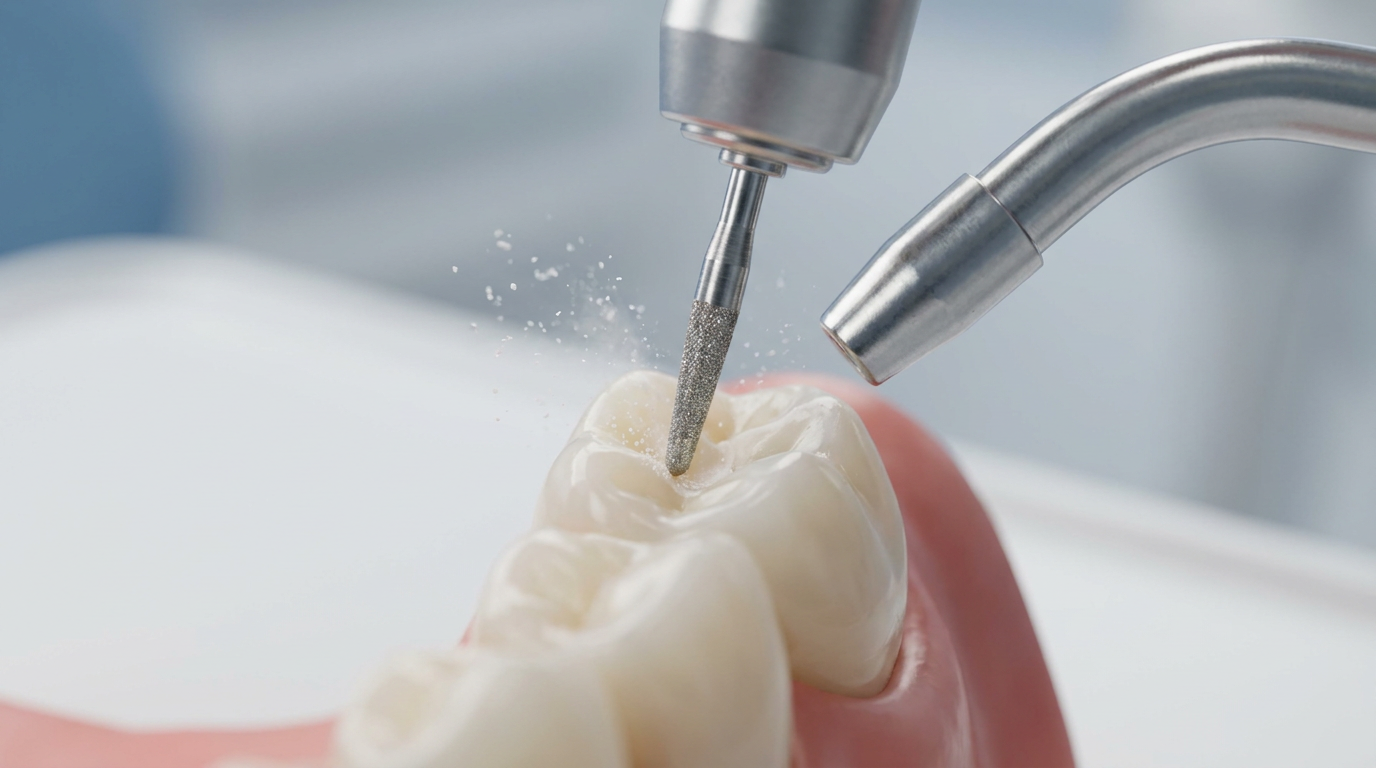
A close-up, detailed shot of a dental instrument gently preparing the surface of a tooth, demonstrating the minimal enamel removal for a veneer.

Are Veneers Permanent? Reversibility Debate

Once traditional veneers are placed, the process is generally considered irreversible because a small amount of enamel has been removed from the tooth surface. This modification means your teeth will always require some form of covering, whether it's the original veneers or new ones.

This commitment is why a thorough consultation is so important before proceeding with the procedure. Dr. Miller emphasizes open communication, ensuring patients understand the long-term implications and are comfortable with their decision. While veneers themselves are not permanent – they may need replacement after many years – the alteration to your natural teeth is.

Understanding Veneer Commitments

  • Enamel Alteration: The removal of enamel, though minimal, means the underlying tooth structure is permanently changed. You cannot revert to your original, unprepared teeth.
  • Replacement Needs: Veneers typically last 10 to 15 years, and sometimes longer, but they will eventually need to be replaced due to wear, chipping, or gum recession.
  • Protection: The prepared teeth will always need to be covered, either by the existing veneers or new ones, to protect the exposed dentin and maintain aesthetics.
  • Care is Crucial: Proper oral hygiene and regular dental check-ups are essential to maximize the lifespan of your veneers and the health of your underlying teeth.
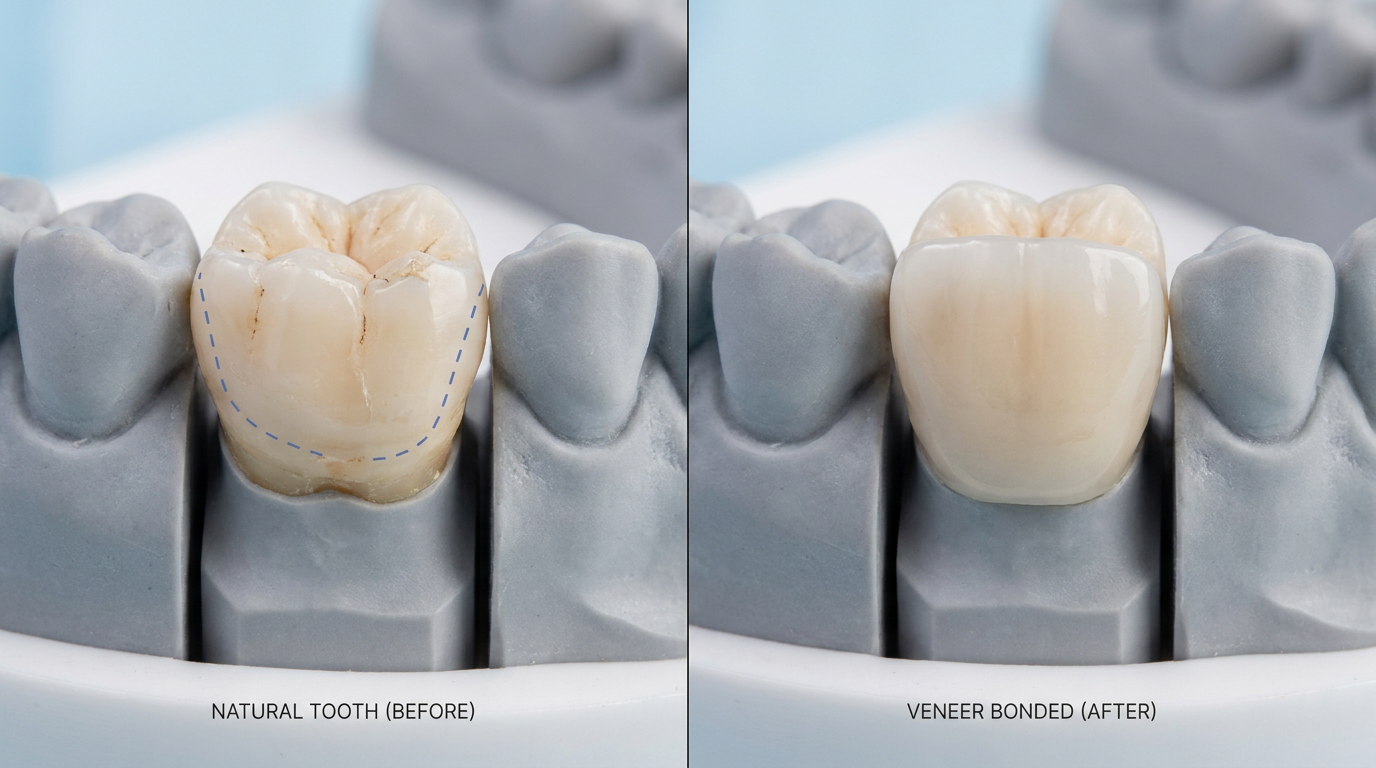
A split-panel image showing (left) a natural tooth with slight imperfections and (right) the same tooth with a perfectly fitted, thin veneer bonded securely.

Lifespan of Veneers and Maintenance

The average lifespan of porcelain veneers is generally between 10 to 15 years, though with excellent care and maintenance, they can last significantly longer. The durability depends on factors like oral hygiene, bite habits, and the quality of the materials and placement.

Regular dental check-ups at Clairemont Dentistry are crucial for monitoring the condition of your veneers and the health of your underlying teeth and gums. Dr. Miller will assess for any signs of wear, chipping, or issues with the bonding agent, ensuring potential problems are addressed early. Adhering to good oral hygiene practices, including daily brushing and flossing, is paramount for extending their useful life.

An overhead shot of a neatly organized desk with a calendar opened to months ahead, marked with "Veneer Check-up" reminders.

Schedule Your Veneers Consultation in San Diego

If you're considering veneers and want to discuss if they are the right option for your smile, contact Clairemont Dentistry today. Schedule a personalized consultation with Dr. Yaron Miller and his team to learn more about our conservative approach to veneers and get answers to all your questions.

Who Is a Good Candidate for Veneers?

Good candidates for veneers typically have generally healthy teeth and gums but wish to improve the appearance of minor cosmetic imperfections like discoloration, chips, gaps, or slight misalignments. Ideal candidates also maintain good oral hygiene and do not have significant dental issues.

During your initial consultation with Dr. Yaron Miller, your oral health will be thoroughly assessed to determine if veneers are the most suitable option for your smile goals. He will discuss alternatives and ensure you have realistic expectations about the outcome.

Key Factors for Candidacy

  • Good Oral Health: You must have healthy teeth free of extensive decay and healthy gums without active periodontal disease. Any existing issues should be addressed before veneer placement.
  • Sufficient Enamel: There needs to be enough healthy enamel on your teeth for the veneers to bond properly and securely.
  • Realistic Expectations: Understanding what veneers can and cannot achieve is crucial for satisfaction. They dramatically improve aesthetics but are not a substitute for orthodontic treatment in severe cases.
  • Commitment to Maintenance: Candidates should be committed to maintaining excellent oral hygiene and attending regular dental check-ups to prolong the life of their veneers.
  • No Severe Grinding: Individuals who severely clench or grind their teeth (bruxism) may not be ideal candidates without addressing the underlying issue, as it can damage veneers. However, a night guard can often mitigate this risk.
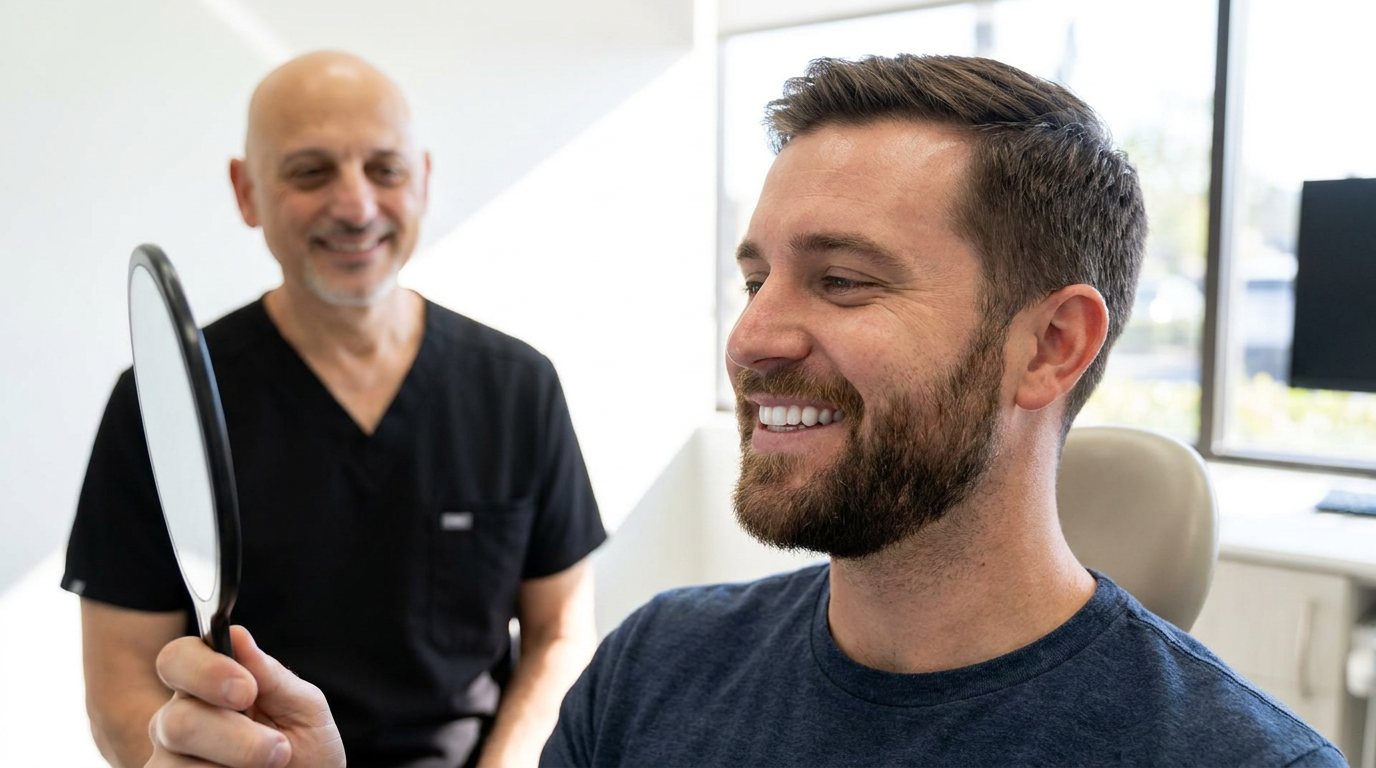
Caleb, smiles genuinely while looking at his reflection in a handheld mirror, his expression conveying quiet satisfaction.

What to Expect During the Veneer Process

The veneer process at Clairemont Dentistry typically involves a few key appointments following an initial consultation. After discussing your smile goals with Dr. Yaron Miller, impressions are taken, and your teeth are minimally prepared.

Temporary veneers may be placed while your custom porcelain veneers are crafted in a dental lab. Once ready, Dr. Miller will meticulously bond the permanent veneers to your teeth, ensuring a precise and beautiful fit. The entire process is designed to be comfortable and efficient, transforming your smile with minimal discomfort. The team in San Diego works diligently to make your experience positive.

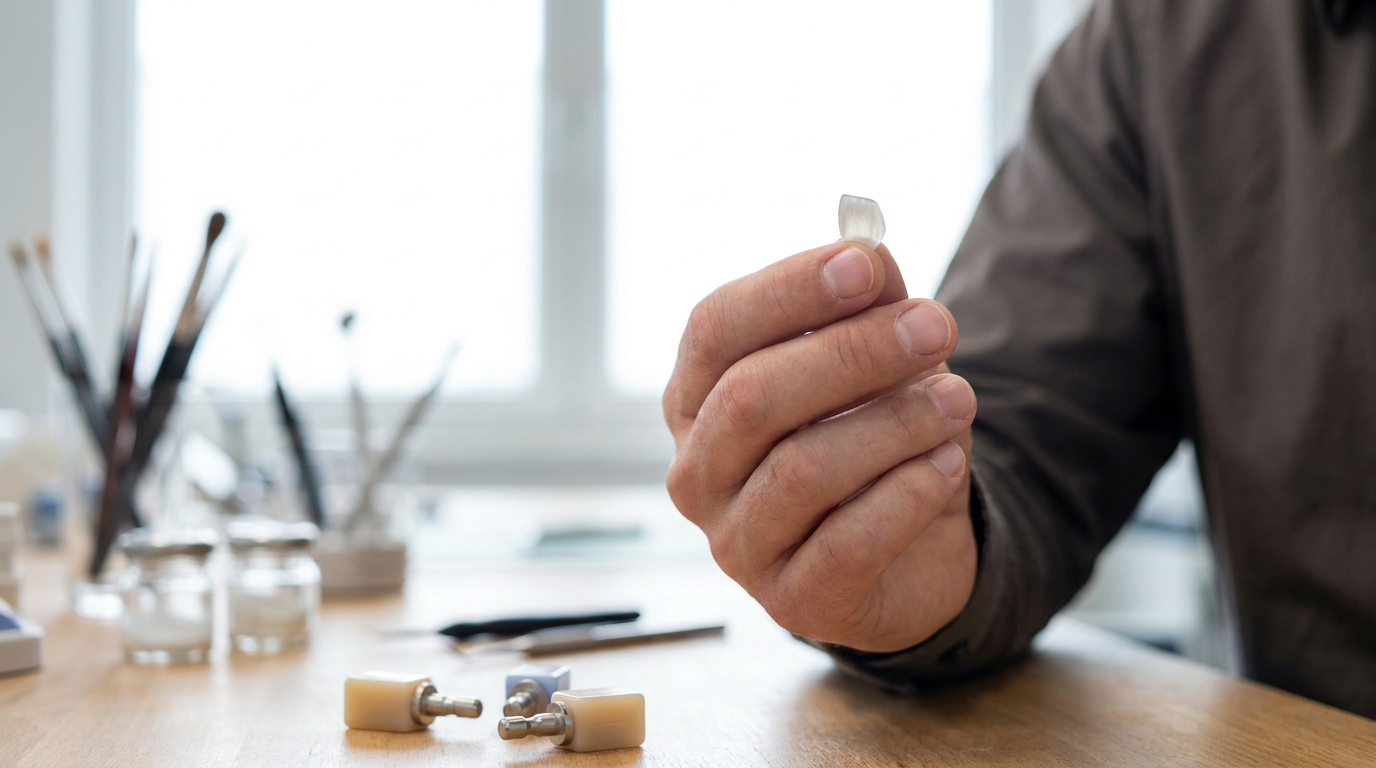
A hand holding a very thin, translucent porcelain veneer, silhouetted against a softly blurred background of a modern dental lab.

Potential Downsides to Consider

While many patients find veneers highly satisfying, it's important to be aware of potential downsides. These can include tooth sensitivity, the need for future replacement, and the fact that they are generally not reversible, as some enamel is typically removed.

Additionally, veneers can be more costly than some other cosmetic options, and they are not always covered by dental insurance. A thorough discussion with Dr. Yaron Miller will help you weigh the benefits against these potential considerations to make an informed decision for your unique situation.

Important Considerations

  • Sensitivity: Some patients may experience temporary tooth sensitivity to hot or cold temperatures after veneer placement, especially if enamel was removed. This usually subsides quickly.
  • Cost: Veneers represent a significant investment in your smile, and costs can vary depending on the number of veneers and material used. Cosmetic Dentistry options are an investment.
  • Damage Risk: While durable, veneers can chip or crack under extreme force, much like natural teeth. Habits like nail-biting or using teeth to open packages should be avoided.
  • Irreversibility: The process of enamel removal for traditional veneers is not reversible, meaning prepared teeth will always need to be restored with veneers or crowns.
  • No Whitening: Veneers are non-porous and will not whiten with traditional teeth whitening treatments. If you plan to whiten your natural teeth, do so before getting veneers, so their shade can be matched.
Caleb, gently sips an iced coffee at a cafe window seat, wincing slightly as if experiencing fleeting sensitivity.

Making an Informed Decision

Deciding on veneers is a big step towards enhancing your smile, and it’s natural to have questions and concerns, such as "are veneers bad for you?". The truth is, when performed by a skilled and ethical practitioner like Dr. Yaron Miller at Clairemont Dentistry, veneers are a safe and highly effective way to achieve a dramatic smile transformation. His approach emphasizes patient education and conservative treatment, ensuring that any preparation minimizes impact on your natural teeth.

At our San Diego practice, we believe in providing personalized care, thoroughly evaluating your oral health, and discussing all available options tailored to your specific needs and aesthetic goals. We invite you to schedule a consultation with Dr. Miller to explore whether veneers are the right choice for you, or if other cosmetic or restorative dentistry services might better suit your situation. Our goal is to empower you with accurate information and exceptional dental care, helping you achieve a confident, beautiful, and healthy smile.

Dr.

Frequently Asked Questions

1. Are veneers bad for you long-term?
Veneers are generally not bad for you long-term when properly placed and maintained, offering a durable and aesthetic solution for many years.

2. Do veneers ruin your natural teeth?
Veneers do not ruin your natural teeth; typically, a small amount of enamel is removed to ensure a good fit, but the underlying tooth remains healthy.

3. Can veneers cause cavities?
Veneers themselves cannot cause cavities, but poor oral hygiene or improper veneer placement can lead to cavities underneath or around the veneer.

4. Do veneers hurt during the process?
The veneer placement process is typically not painful. Dr. Yaron Miller uses local anesthesia to ensure your comfort during any tooth preparation.

5. How long do veneers last?
On average, porcelain veneers last between 10 to 15 years, with some lasting even longer with proper care and regular dental check-ups.

6. Are veneers reversible once placed?
No, traditional veneers are not reversible because some enamel is permanently removed during the preparation process.

7. Can I get veneers if I grind my teeth?
If you grind your teeth, Dr. Yaron Miller might recommend treating the bruxism, often with a night guard, before placing veneers to protect them.

8. Do veneers look natural?
Yes, modern veneers are custom-made to match the natural color and shape of your existing teeth, providing a very natural and aesthetically pleasing result.

9. What is the main benefit of veneers?
The main benefit of veneers is their ability to significantly improve the appearance of teeth, correcting issues like discoloration, chips, gaps, and minor misalignments.

10. Is there an age limit for getting veneers?
No specific age limit exists for veneers, but candidates should have healthy, fully developed teeth and gums. Dr. Yaron Miller assesses each case individually.

Related Blog Posts

Stay Informed with Expert Insights & Tips About Dental Care

How to Keep Your Gums Healthy and Strong

Prioritizing gum health through daily care, proper technique, and regular dental visits is crucial for preventing disease and maintaining a strong smile.

Finding Your Ideal Kearny Mesa Dentist

Discover key factors for choosing the ideal Kearny Mesa dentist, focusing on credentials, technology, patient reviews, and comprehensive care.

Are Veneers Bad for Your Teeth?

Are veneers bad for your teeth? Explore myths vs. facts, Zachary's journey, and how modern dentistry creates confident smiles.

Make An Appointment

Fill out the form and a member of our team will get back to you with your appointment confirmation shortly

Office Hours

Monday
8:00 AM – 4:30 PM
Tuesday
8:00 AM – 4:30 PM
Wednesday
8:00 AM – 4:30 PM
Thursday
9:00 AM – 4:30 PM
Friday
8:00 AM – 2:00 PM
Saturday
Closed
Sunday
Closed
Thank you! Your submission has been received!
Oops! Something went wrong while submitting the form.