Back to Blogs

How to Keep Your Gums Healthy and Strong

Prioritizing gum health through daily care, proper technique, and regular dental visits is crucial for preventing disease and maintaining a strong smile.

July 9, 2026
2 min read
Erin sits at a kitchen island, studying dental floss instructions, next to a mug of tea.
Back to Blogs

How to Keep Your Gums Healthy and Strong

Erin sits at a kitchen island, studying dental floss instructions, next to a mug of tea.

Prioritizing gum health through daily care, proper technique, and regular dental visits is crucial for preventing disease and maintaining a strong smile.

July 9, 2026
2 min read

Your Gums, Your Health

Maintaining healthy gums is paramount for a strong, vibrant smile and overall well-being. Good gum health not only prevents discomfort and more serious dental issues but also supports your body’s systemic health. Regular, effective care can significantly reduce the risk of common oral problems. Dr. Yaron Miller often reminds patients that their gums are the foundation of their oral health.

Erin, a professional in her early 40s, recently visited Clairemont Dentistry with a concern about occasional bleeding when she brushed her teeth. She had always been diligent with brushing, but the sight of blood had become increasingly bothersome. Erin was looking for clear guidance on how to ensure her gums remained as healthy as possible.

Dr. Miller explained to Erin that even with consistent brushing, specific techniques and habits contribute significantly to optimal gum health. Her situation was a common one, and many patients in San Diego seek advice on preventing gum issues.

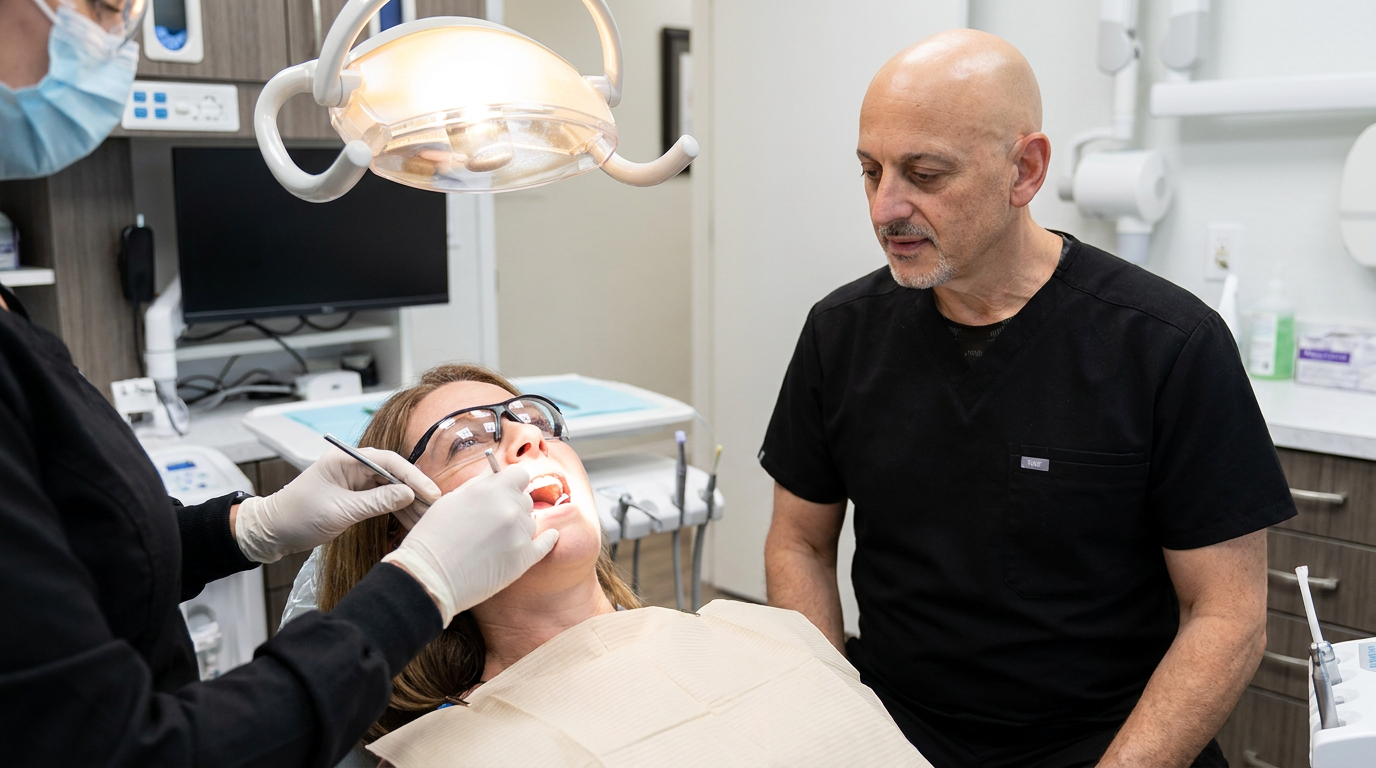
Erin, sits in a modern dental chair, looking attentively at Dr.

Daily Gum Care Routine

A consistent daily routine is the cornerstone of healthy gums. This involves more than just a quick brush; it requires mindful attention to every surface of your teeth and gums. Dr. Miller emphasizes that proper technique is often more important than how frequently one brushes or flosses.

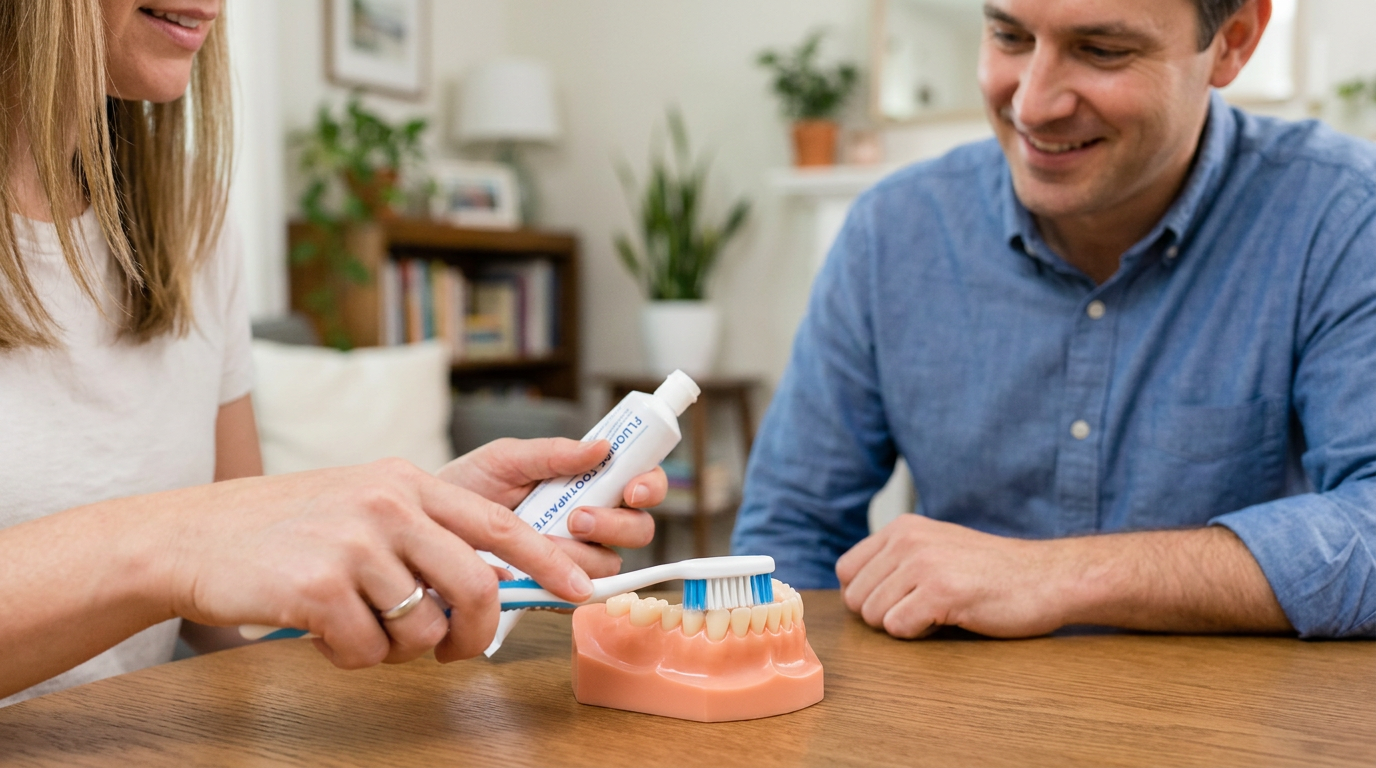
He advised Erin to focus on a gentle, thorough approach rather than aggressive scrubbing, which can damage delicate gum tissue and tooth enamel. He outlined several key steps for her at-home care. Erin learned that small, circular motions are ideal for cleaning the gumline effectively.

For effective daily gum care, consider these steps:

  • Brush twice daily: Use a soft-bristled toothbrush and fluoride toothpaste for at least two minutes each time.
  • Floss daily: Clean between teeth to remove plaque and food particles that brushing alone cannot reach.
  • Use mouthwash: An antimicrobial mouthwash can help reduce bacteria that contribute to gum inflammation.
  • Replace your toothbrush: Change your toothbrush every three to four months, or sooner if the bristles are frayed.
A close-up of Erin,'s hand gently holding a soft-bristled toothbrush to a dental model, demonstrating small circular motions near the gumline.

How to Floss Properly

Mastering the art of flossing is crucial for gum health, as it targets areas brushes can’t reach. Many people, like Erin, might floss regularly but unknowingly use a technique that isn’t fully effective. Dr. Miller provided her with a quick demonstration during her appointment.

He showed her how to gently guide the floss between her teeth and wrap it around each tooth in a “C” shape. This ensures the floss makes contact with the tooth surface just below the gumline. He stressed that it’s important to move the floss up and down, rather than simply snapping it in and out.

Proper flossing technique includes:

  • Use enough floss: Break off about 18 inches of floss, winding most of it around your middle fingers.
  • Guide gently: Slide the floss between teeth with a gentle, sawing motion.
  • C-shape: Curve the floss around the side of each tooth, making a “C” shape.
  • Work gently: Move the floss up and down against the tooth surface, reaching just beneath the gumline.
  • Unwind new section: Use a fresh section of floss for each tooth to avoid spreading bacteria.
A macro shot of floss being guided gently between two molars on a dental model, curving in a "C" shape around one tooth, illustrating proper flossing technique.

Foods for Strong Gums

Your diet plays a significant role in maintaining healthy gums, influencing both oral and overall health. Eating a balanced diet supports your immune system, which is vital for fighting off gum infections. Dr. Miller discussed with Erin how certain nutrients are particularly beneficial for gum tissue.

He explained that crunchy fruits and vegetables, like apples and carrots, naturally help clean teeth and stimulate gum tissue. These foods also increase saliva production, which helps neutralize harmful acids. Consuming items rich in Vitamin C, like citrus fruits and bell peppers, can also strengthen gum tissue.

Erin left her appointment understanding that her diet could be a powerful tool in her gum health arsenal. Limiting sugary snacks and drinks is equally important, as sugar feeds bacteria that produce acids, leading to plaque buildup and gum inflammation. Making healthy food choices is an easy way to support strong gums before any issues arise.

A vibrant still life of an apple with a bite taken out, a bowl of red bell pepper slices, and a glass of orange juice on a rustic wooden kitchen counter, emphasizing gum-healthy foods.

Schedule Your Gum Health Check-Up

Ready to ensure your gums are as healthy as they can be? Contact Clairemont Dentistry in San Diego today to schedule a comprehensive gum health assessment. Our team is here to provide personalized care and answer all your questions.

Warning Signs: Gum Disease

Recognizing the early warning signs of gum disease, also known as periodontal disease, is vital for timely intervention. Many patients, including Erin before her visit, might overlook subtle indicators as minor inconveniences. However, these symptoms can signal the initial stages of a condition that, if left untreated, can lead to serious oral health problems and even tooth loss.

Dr. Miller explained that while Erin’s bleeding gums were a concern, they were likely an early sign of gingivitis, the mildest form of gum disease. He reassured her that it is often reversible with improved oral hygiene. Early detection and treatment are crucial to preventing its progression to more advanced periodontitis.

Be vigilant for these common warning signs:

  • Red, swollen, or tender gums: Healthy gums should be pink and firm, not inflamed.
  • Bleeding gums: Gums that bleed during brushing or flossing are often a sign of inflammation.
  • Persistent bad breath: Bacteria associated with gum disease can cause unpleasant odor.
  • Receding gums: Gums pulling away from the teeth, making teeth appear longer.
  • Sensitive teeth: Often a result of exposed tooth roots due to gum recession.
  • Loose or shifting teeth: A later stage symptom, indicating bone loss around the teeth.
Erin, touches her visibly swollen, red gum area thoughtfully as she looks concerned into a bathroom mirror.

When to See a Dentist

Regular dental check-ups and professional cleanings are indispensable for maintaining peak gum health. Even with the best at-home care, there are areas only a dental professional can thoroughly clean and assess. This is why Dr. Miller recommended Erin schedule her next routine cleaning before leaving.

He noted that deep cleanings, specifically called scaling and root planing, can be crucial for addressing more advanced gum issues that go beyond routine plaque removal. These procedures remove tartar and plaque from below the gum line. For some patients, like those with persistent or severe gum inflammation, advanced treatments like Perio Protect might be recommended to deliver medication directly to the gum pockets.

Visiting Clairemont Dentistry routinely allows Dr. Miller and his team to monitor your gum health closely. They can identify potential problems before they escalate. Early professional intervention is key to preventing the progression of gum disease and preserving your natural teeth.

Erin, is seated in a dental operatory chair, receiving a professional dental cleaning from a hygienist (unseen), with a dental lamp focused on her mouth.

Other Factors Affecting Gums

Beyond daily hygiene and diet, several other factors can significantly impact your gum health. Understanding these influences can empower you to make more informed choices for your oral well-being. Dr. Miller discussed with Erin how certain lifestyle habits and medical conditions might affect her gums.

For example, smoking is a major risk factor for gum disease, impairing the immune system’s ability to fight infection. Certain medications can also cause dry mouth, reducing saliva’s protective effects. Hormonal changes, such as those during pregnancy or menopause, can also make gums more sensitive.

Being aware of these influences helps you address them proactively:

  • Smoking/Tobacco Use: Significantly increases risk and severity of gum disease.
  • Stress: Can weaken the immune system, making gums more susceptible to infection.
  • Medications: Some drugs can cause dry mouth or gum overgrowth, affecting gum health.
  • Systemic Diseases: Conditions like diabetes can impair the body’s ability to fight gum infections.
  • Genetic Predisposition: Some people are simply more prone to gum disease due to family history.
  • Hormonal Changes: Fluctuations during puberty, pregnancy, or menopause can affect gum sensitivity.
A man, Dylan, in his late 30s, stands outside a busy cafe, smoking a cigarette, with a pained expression as he touches his mouth.

A Lifelong Commitment

Embarking on a journey towards exceptional gum health is truly a lifelong commitment, but one with profound rewards. Erin initially came to Dr. Yaron Miller with simple concerns, unaware of the broader implications her bleeding gums held for her overall well-being.

Through their conversations, she gained not just a better understanding of proper technique, but a deeper appreciation for the intricate connection between her oral hygiene and her systemic health. She learned that vigilance in her at-home routine, coupled with regular professional support, was the most effective strategy for preventing future issues.

By integrating specific flossing techniques and making dietary adjustments, Erin felt more in control of her dental health. Her initial anxiety about bleeding gums transformed into a proactive approach to care. Erin’s story is a testament to the idea that with expert guidance and consistent effort, anyone can achieve and maintain healthy gums.

The team at Clairemont Dentistry is dedicated to helping patients like Erin navigate their oral health challenges, providing the tools and knowledge necessary for lasting smiles. It’s about building habits that serve you well for years to come.

Erin, is smiling genuinely, looking confident and healthy, outdoors in a sunlit park setting.

Frequently Asked Questions

1. How often should you see a dentist for gum health?
Most individuals should schedule a dental check-up and professional cleaning every six months. For those with existing gum disease or higher risk factors, Dr. Yaron Miller might recommend more frequent visits to closely monitor and manage their condition.

2. Can gum disease be reversed?
Yes, early-stage gum disease, known as gingivitis, is often reversible with diligent oral hygiene practices and professional cleanings. More advanced forms, like periodontitis, cannot be fully reversed but can be effectively managed with ongoing treatment to prevent further damage.

3. What are the best ways to keep gums healthy?
The best ways to keep gums healthy involve a combination of daily brushing and flossing, using an antimicrobial mouthwash, maintaining a balanced diet, and undergoing regular professional dental cleanings. Avoiding tobacco products is also crucial for gum health.

4. Does flossing really make a difference for gum health?
Absolutely. Flossing daily removes plaque and food particles from between your teeth and under the gumline, areas that your toothbrush cannot effectively reach. This is critical for preventing plaque buildup, which leads to gingivitis and other gum problems.

5. What should I do if my gums bleed when I brush?
Occasional bleeding gums usually indicate gingivitis, an early form of gum disease. You should continue to brush and floss gently but thoroughly, and schedule an appointment with Dr. Yaron Miller at Clairemont Dentistry to have your gums examined and receive personalized advice.

6. Is there a special gum treatment available in San Diego?
Yes, Clairemont Dentistry offers advanced treatments like Perio Protect, which delivers medication directly to gum pockets to manage gum disease effectively. Dr. Yaron Miller can assess your needs and recommend the most suitable treatment options for your specific condition.

Related Blog Posts

Stay Informed with Expert Insights & Tips About Dental Care

Are Veneers Bad for You? Debunking Myths

Veneers safely enhance smiles when placed by skilled professionals like Dr. Yaron Miller, prioritizing minimal enamel removal and long-term care.

Finding Your Ideal Kearny Mesa Dentist

Discover key factors for choosing the ideal Kearny Mesa dentist, focusing on credentials, technology, patient reviews, and comprehensive care.

Are Veneers Bad for Your Teeth?

Are veneers bad for your teeth? Explore myths vs. facts, Zachary's journey, and how modern dentistry creates confident smiles.

Make An Appointment

Fill out the form and a member of our team will get back to you with your appointment confirmation shortly

Office Hours

Monday
8:00 AM – 4:30 PM
Tuesday
8:00 AM – 4:30 PM
Wednesday
8:00 AM – 4:30 PM
Thursday
9:00 AM – 4:30 PM
Friday
8:00 AM – 2:00 PM
Saturday
Closed
Sunday
Closed
Thank you! Your submission has been received!
Oops! Something went wrong while submitting the form.