1. Are composite veneers harmful to natural teeth?
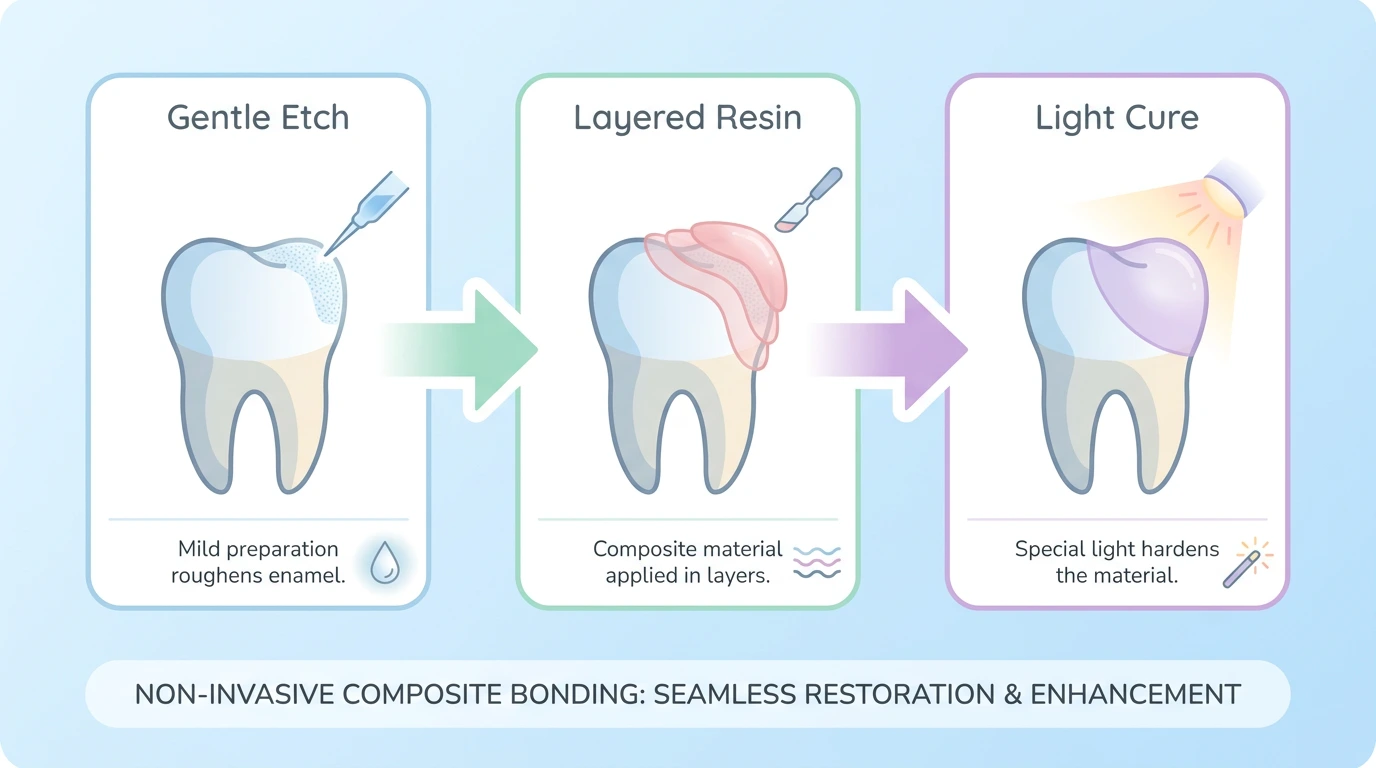
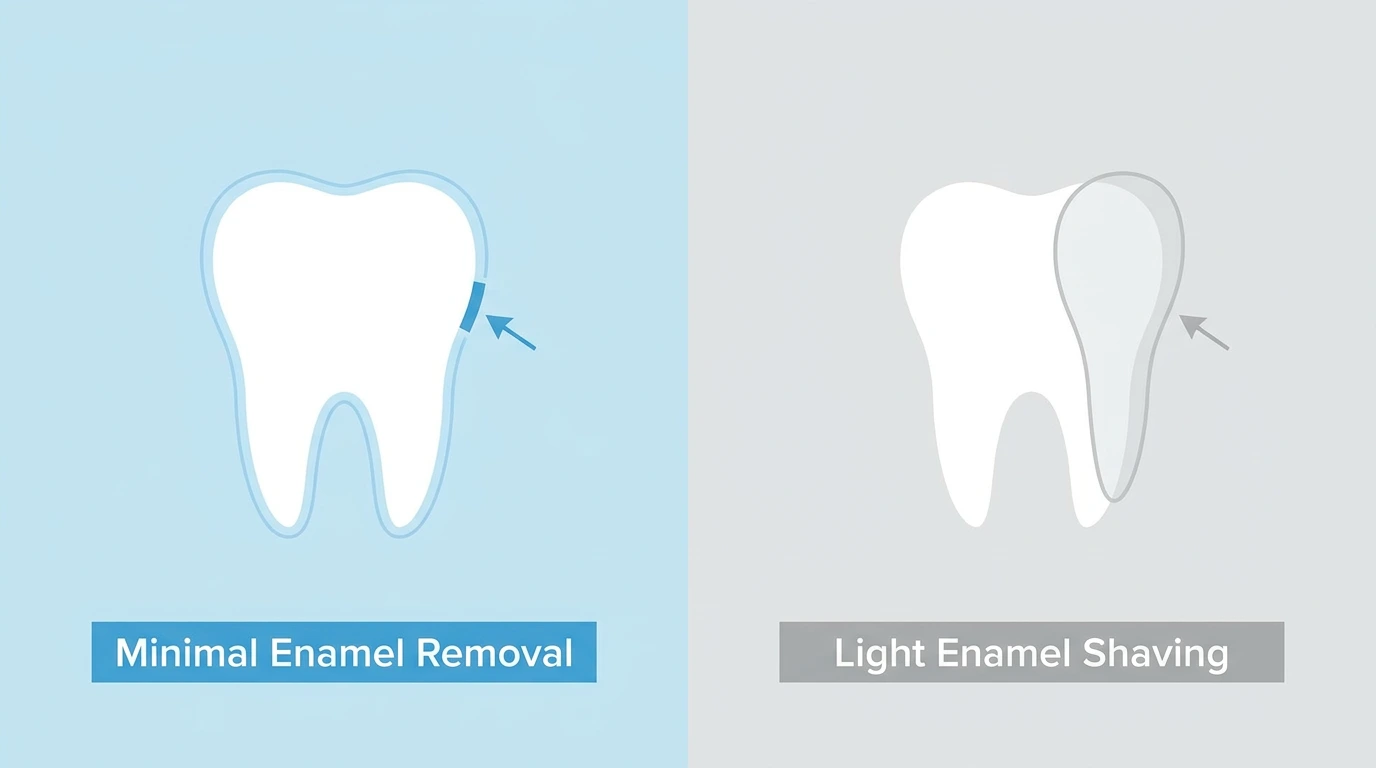
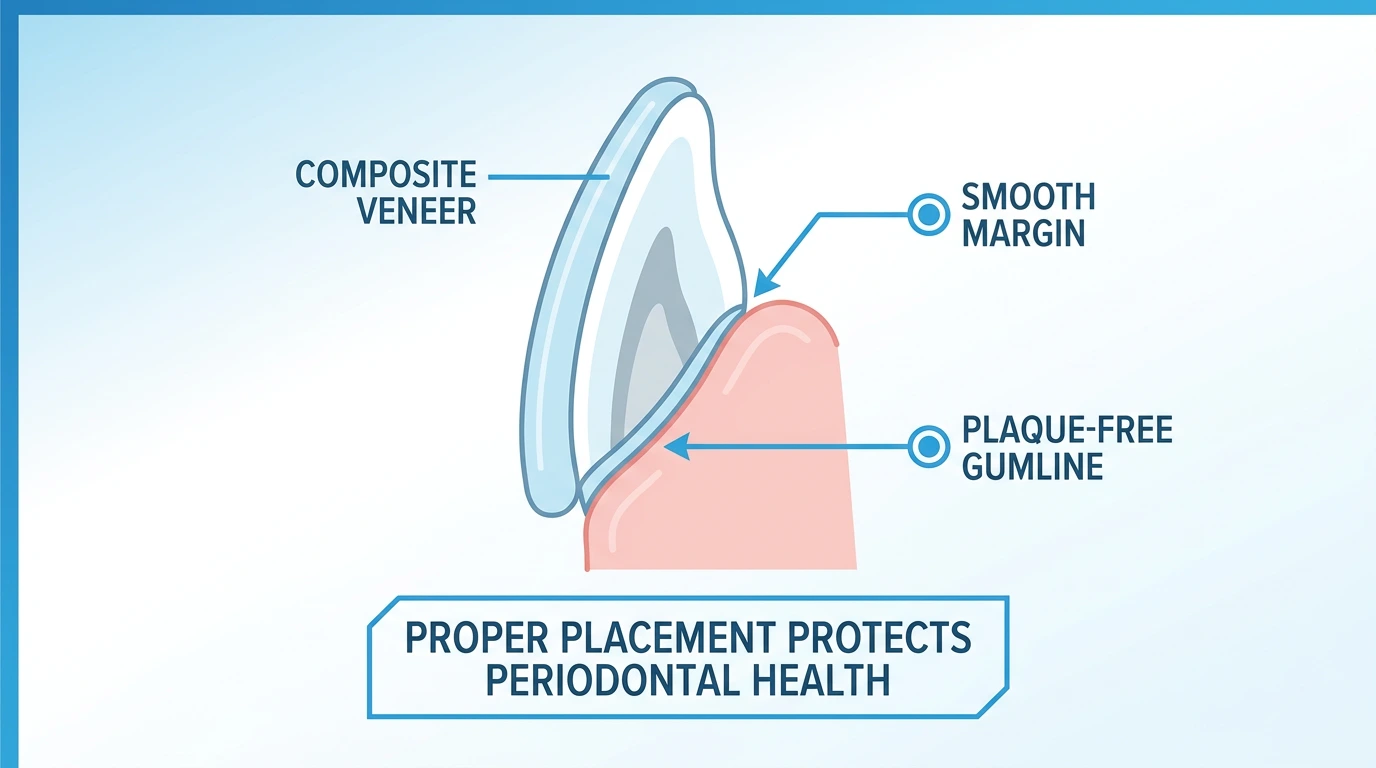
Composite veneers are not harmful to natural teeth when applied by a qualified dentist. The bonding procedure preserves nearly all of your original enamel. Because minimal tooth structure is altered, the underlying tooth remains healthy, vital, and strong beneath the composite resin layer.
2. How do composite veneers compare to porcelain for safety?
Both composite and porcelain materials are completely biocompatible and safe for your oral tissues. However, composite veneers are often considered more conservative because they require little to no enamel reduction, whereas porcelain typically requires removing a thin layer of natural tooth surface.
3. Can composite veneers be removed if I change my mind?
Yes, composite veneers can usually be removed or adjusted because your natural enamel remains largely intact beneath the resin. An experienced dentist can gently polish away the bonding material without compromising the underlying tooth, returning your smile close to its original state.
4. Will getting composite veneers hurt during treatment?
Getting composite veneers is designed for comfort and typically requires no local anesthesia. Because the dentist sculpts the resin directly onto the surface without deep drilling or nerve exposure, patients experience a gentle, comfortable appointment from start to finish.
5. Do composite veneers stain over time?
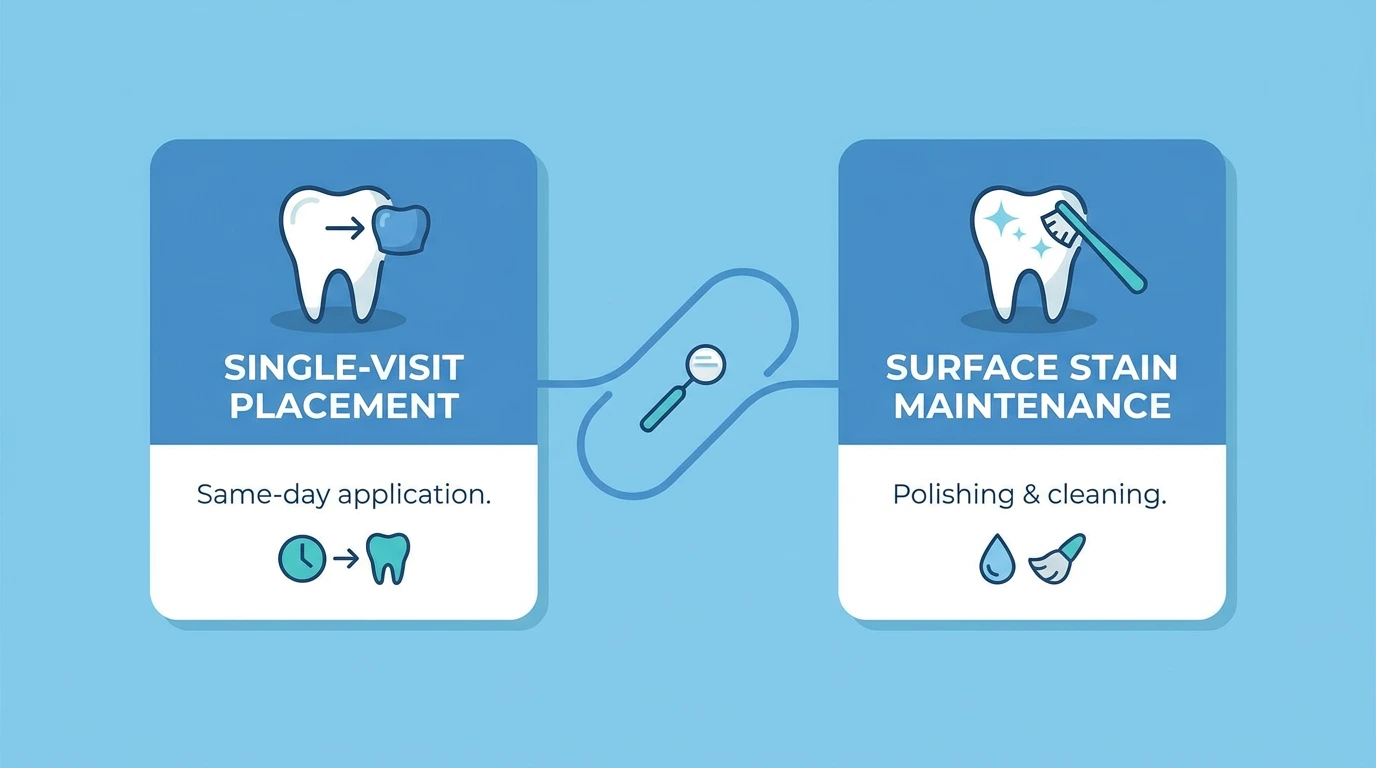
Composite veneers can absorb surface pigments from coffee, tea, red wine, and dark berries over several years. While composite resin is more susceptible to staining than glazed porcelain, routine professional cleanings and surface polishing can help maintain their brightness.
6. How do I care for composite veneers at home?
Care for composite veneers by brushing twice daily with a non-abrasive fluoride toothpaste and flossing every day. Avoid biting into hard objects, tearing open plastic packaging with your teeth, and chewing ice, which can chip the resin margins.
7. What happens if a composite veneer chips?
If a composite veneer chips, your dentist can easily repair it in a single visit. Unlike porcelain restorations that generally require complete replacement by a dental lab, composite resin can be smoothed, re-etched, and patched directly in the dental chair.
8. How many visits does it take to get composite veneers?
Most patients receive their composite veneers in just one dental visit. Because the dentist hand-sculpts and cures the material directly on your teeth, there is no need for temporary restorations or waiting on an off-site dental laboratory.
9. Can I whiten my composite veneers after they are placed?
Traditional whitening gels do not lighten composite resin materials once they are placed. If you plan to whiten your natural teeth, complete your whitening treatment first so your dentist can match the composite resin to your new, brighter shade.
10. Are composite veneers safe for sensitive teeth?
Yes, composite veneers are safe for sensitive teeth and can even help reduce temperature sensitivity. By covering exposed enamel surfaces or worn edges, the composite resin acts as a protective barrier against hot and cold foods.