Back to Blogs

Do Dental Veneers Hurt? What Patients Expect

Understanding that modern veneer procedures are generally not painful helps alleviate anxiety for patients considering a smile transformation.

October 7, 2026
•
2 min read
Stephanie sits at a wooden table outdoors, wearing a striped shirt and biting into a red apple, with green foliage in the background.
Back to Blogs

Do Dental Veneers Hurt? What Patients Expect

Stephanie sits at a wooden table outdoors, wearing a striped shirt and biting into a red apple, with green foliage in the background.

Understanding that modern veneer procedures are generally not painful helps alleviate anxiety for patients considering a smile transformation.

October 7, 2026
•
2 min read

Do Dental Veneers Hurt?

While the thought of getting dental veneers might cause anxiety, the procedure itself is typically not painful. Modern dentistry uses local anesthesia to ensure you remain comfortable during the preparation and placement phases, meaning you should feel pressure, not sharp pain. Any post-procedure sensitivity is usually mild and temporary.

Many prospective patients at Clairemont Dentistry express concerns about discomfort when considering a smile transformation with veneers. Dr. Yaron Miller and his team prioritize patient comfort throughout the entire process, from initial consultation to final placement. The goal is to provide a positive and comfortable experience, ensuring your journey to a new smile is as stress-free as possible.

Stephanie smiles warmly while sitting in a sunlit waiting room with abstract art, chairs, a side table with magazines, and plants.

Veneer Procedure Discomfort: What to Expect During Preparation

During tooth preparation for veneers, you should experience minimal to no pain thanks to local anesthesia. Dr. Yaron Miller carefully numbs the area, ensuring you are comfortable while a small amount of enamel is gently removed to accommodate the veneer thickness. This step is crucial for a natural-looking fit.

The initial phase of getting veneers involves preparing the teeth. This typically means removing a thin layer of enamel, roughly the thickness of a fingernail, from the front surface of the teeth. This preparation is essential to prevent the veneers from looking bulky or unnatural.

Local Anesthesia

Before any enamel is removed, Dr. Miller will administer a local anesthetic to numb the area completely. This ensures you won't feel pain during the preparation.

Pressure Sensation

You might feel some pressure or vibrations from the dental tools, but these sensations are not painful. Patients often describe it as a dull feeling rather than discomfort.

Temporary Veneers

After preparation, temporary veneers are often placed to protect the teeth while your custom permanent veneers are being fabricated. These temporaries are usually smooth and comfortable.

Duration

The preparation appointment duration varies depending on the number of teeth being treated, but Dr. Miller works efficiently to minimize your time in the chair.

Patient Comfort

At Clairemont Dentistry, patient comfort is paramount. The team continuously checks in with you to ensure you are feeling well throughout the appointment.

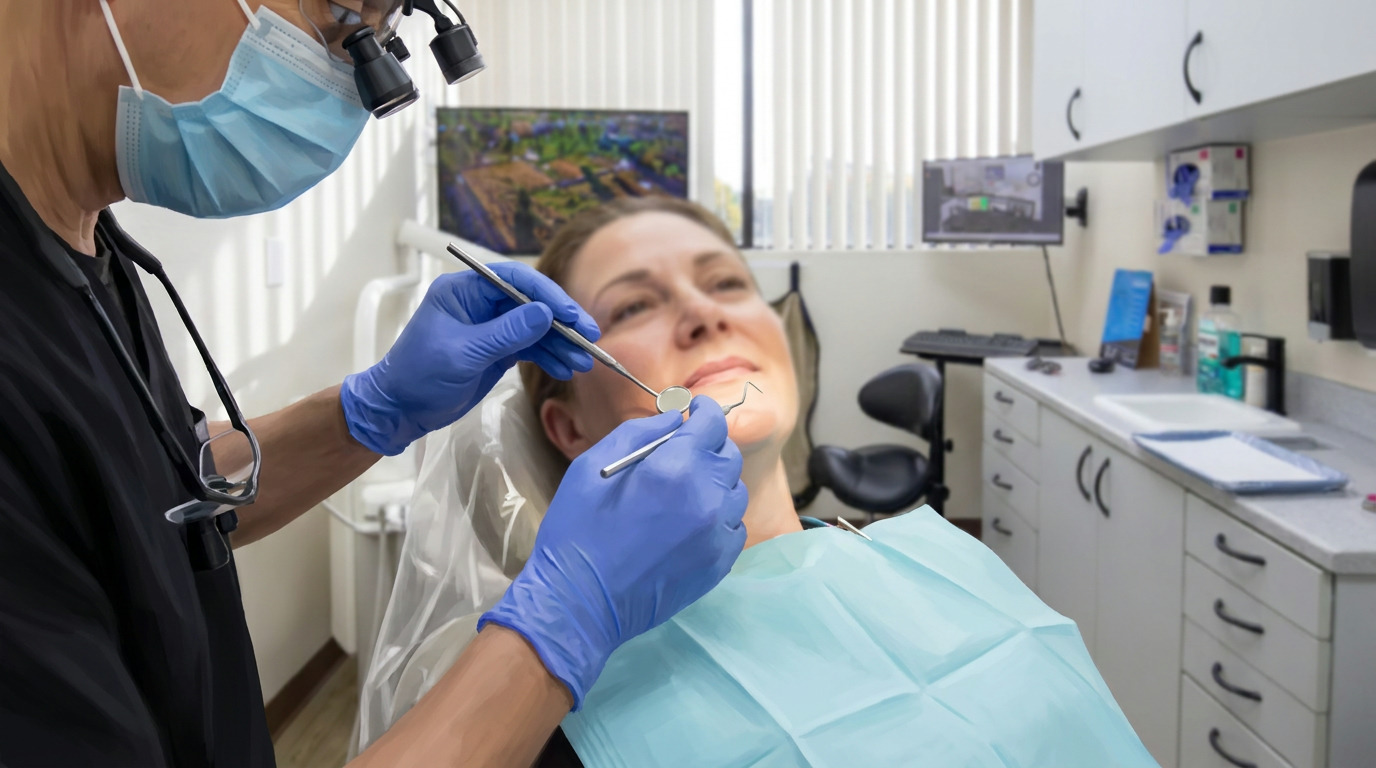
A dentist in a mask and loupes uses a dental mirror and probe on a patient wearing a dental bib, in a clean operatory with white cabinets and monitors.

Veneers Sensitivity After Placement

After your permanent veneers are bonded, it's common to experience some temporary sensitivity, particularly to hot or cold temperatures. This sensitivity typically subsides within a few days to a couple of weeks as your teeth adjust to the new restorations. Over-the-counter pain relievers can help manage this.

Once your custom-made veneers are cemented onto your teeth, some patients report experiencing varying degrees of sensitivity. This is a normal reaction as your teeth adjust to their new coverings.

Initial Adjustment

It's natural for your teeth and gums to feel a bit different after the veneers are bonded. This feeling usually fades quickly.

Temperature Sensitivity

Exposure to very hot or cold foods and drinks can trigger sensitivity in the days following the procedure. This is because a small amount of enamel was removed, exposing dentin tubules.

Gum Irritation

Occasionally, the gums around the treated teeth might be slightly tender or irritated from the bonding process. This is temporary and resolves quickly.

Bite Adjustment

Your bite might feel slightly different at first. Dr. Miller will make precise adjustments to ensure your bite is comfortable and functional.

Managing Discomfort

Using toothpaste for sensitive teeth and avoiding extreme temperatures can help alleviate post-procedure sensitivity. If discomfort persists, contact Clairemont Dentistry for advice.

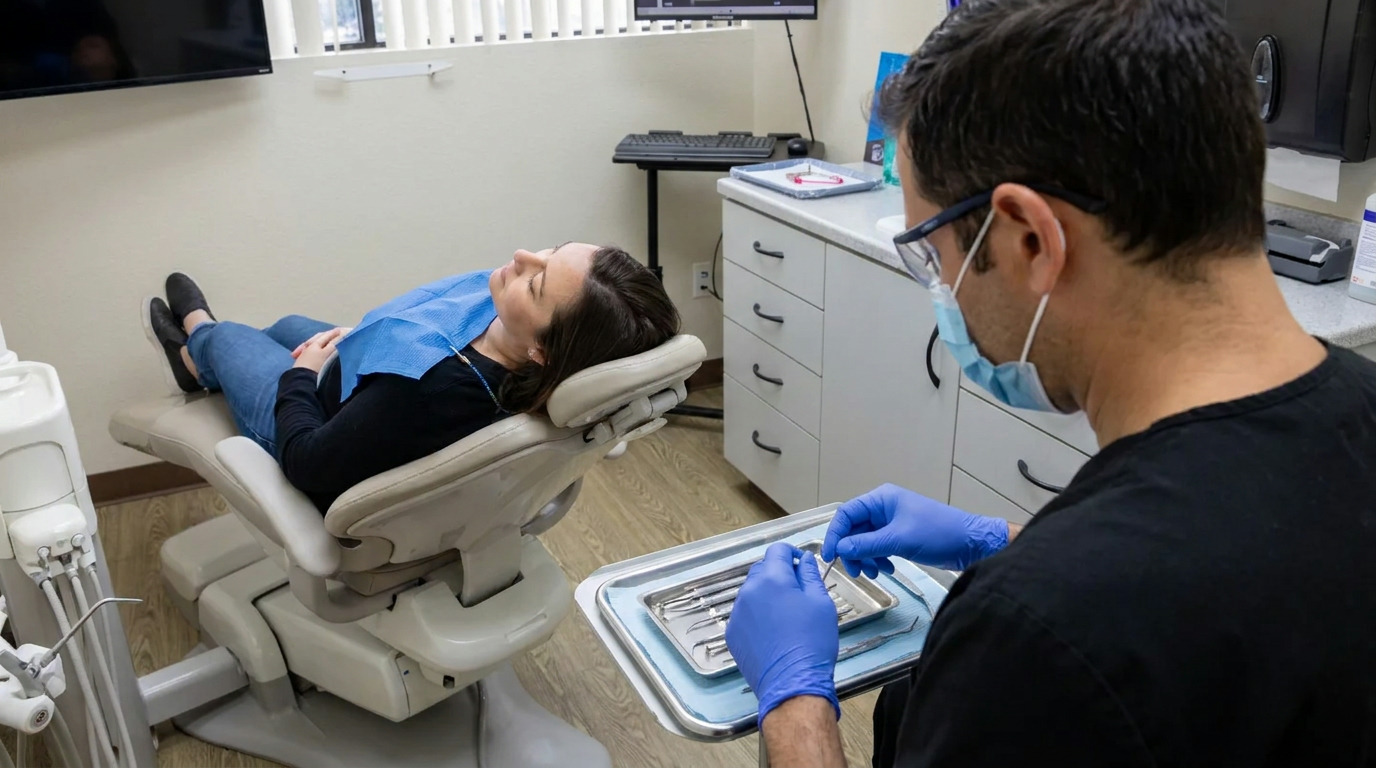
A patient in a blue bib reclines in a dental chair while a dentist in a mask and blue gloves prepares instruments on a tray.

What Factors Influence Veneer Pain Level?

The pain level associated with veneers is influenced by several factors, including individual pain tolerance, the extent of tooth preparation required, and the skill of the dentist. Extensive preparation for severely misaligned or discolored teeth might lead to slightly more sensitivity, but skilled application of anesthesia minimizes this.

While generally a comfortable procedure, certain elements can impact a patient's perception of discomfort. Your personal pain threshold plays a significant role; what one person finds mildly uncomfortable, another might barely notice. Dr. Yaron Miller always takes individual patient comfort into account.

The condition of your natural teeth before veneer placement also matters. If you have pre-existing tooth sensitivity or gum issues, these might be addressed before beginning the veneer process to ensure optimal comfort. The number of veneers being placed at one time can also influence the overall experience, though local anesthetic is effective regardless of scale.

A white tube of toothpaste, a toothbrush with light bristles, and a glass of water sit on a white marble countertop.

Transform Your Smile With Veneers

Ready to explore how dental veneers can enhance your smile with minimal discomfort? Contact Clairemont Dentistry today to schedule a personalized consultation with Dr. Yaron Miller. Our team is dedicated to providing exceptional care and helping you achieve the beautiful, confident smile you deserve.

Minimizing Discomfort During Your Veneer Journey

To minimize discomfort during your veneer procedure, communicate openly with your dental team about any anxiety or sensitivity. Choosing an experienced dentist like Dr. Yaron Miller who prioritizes patient comfort and utilizing sedation options can significantly enhance your experience. Following post-care instructions is also key.

At Clairemont Dentistry, ensuring your comfort is a top priority. There are several proactive steps you and the dental team can take to make your veneer journey as smooth and pain-free as possible.

Open Communication

Do not hesitate to discuss any fears or discomforts with Dr. Miller and his team. They can adjust their approach based on your feedback.

Anxiety Management

If you experience significant dental anxiety, discuss options for conscious sedation, which can help you relax completely during the procedure.

Experienced Dentist

Choosing a dentist with extensive experience in cosmetic procedures like veneers, such as Dr. Miller, ensures precise and gentle work, minimizing potential trauma to teeth and gums.

Follow Post-Care

Adhering strictly to post-procedure instructions, such as avoiding hard foods initially and maintaining good oral hygiene, can prevent complications and reduce sensitivity.

Pain Management

For any mild discomfort, over-the-counter pain relievers are often sufficient. Dr. Miller can also advise on specific products or techniques to manage sensitivity effectively.

A man in a dark suit jacket and shirt stands in an art gallery, looking at a large framed artwork of a woman's profile with a shattered effect.

How Long Does Veneer Recovery Take?

Veneer recovery is generally very quick, with most patients returning to normal activities immediately after the procedure. Any initial sensitivity typically resolves within a few days to two weeks. Full adjustment to the new feel and bite of your veneers usually happens within a month.

Unlike more invasive dental procedures, the recovery period for dental veneers is quite short. There's usually no downtime required, and you can resume most of your normal daily activities right away. You may be advised to avoid very hard or sticky foods for the first day or two, simply to allow the bonding agent to fully cure and ensure the veneers are securely set.

The primary aspect of recovery relates to your teeth adjusting to the presence of the veneers and any temporary sensitivity. This sensitivity is often described as mild and manageable, diminishing progressively over a brief period. If you experience persistent or significant pain, it's important to contact your dentist immediately for an evaluation.

A woman in a mustard yellow cardigan sips from a steaming mug while seated at a wooden kitchen island, looking out a sunlit window.

Maintaining Your Veneers for Lasting Comfort and Beauty

Maintaining your veneers properly is crucial for both their longevity and your ongoing comfort. Good oral hygiene, regular dental check-ups, and avoiding habits that could damage them will ensure your veneers remain beautiful and free from issues that might cause discomfort down the line.

Proper care for your veneers is not just about aesthetics; it's also about preventing problems that could lead to discomfort or necessitate repairs. Following a simple routine ensures your new smile stays healthy and comfortable for years.

Excellent Oral Hygiene

Brush and floss your veneered teeth just as you would your natural teeth. Use a non-abrasive toothpaste and a soft-bristled brush to prevent scratching the veneer surface.

Regular Dental Check-ups

Schedule routine cleanings and exams at Clairemont Dentistry. Dr. Yaron Miller can monitor the condition of your veneers and overall oral health.

Avoid Damaging Habits

Refrain from biting on hard objects like ice, pens, or fingernails, which can chip or crack veneers. Also, be mindful of using your teeth as tools.

Nightguards for Grinding

If you clench or grind your teeth at night, Dr. Miller might recommend a custom nightguard to protect your veneers from excessive force.

Prompt Addressing of Issues

If you notice any chips, cracks, or unusual sensitivity, contact the office right away. Addressing minor issues early can prevent more significant problems.

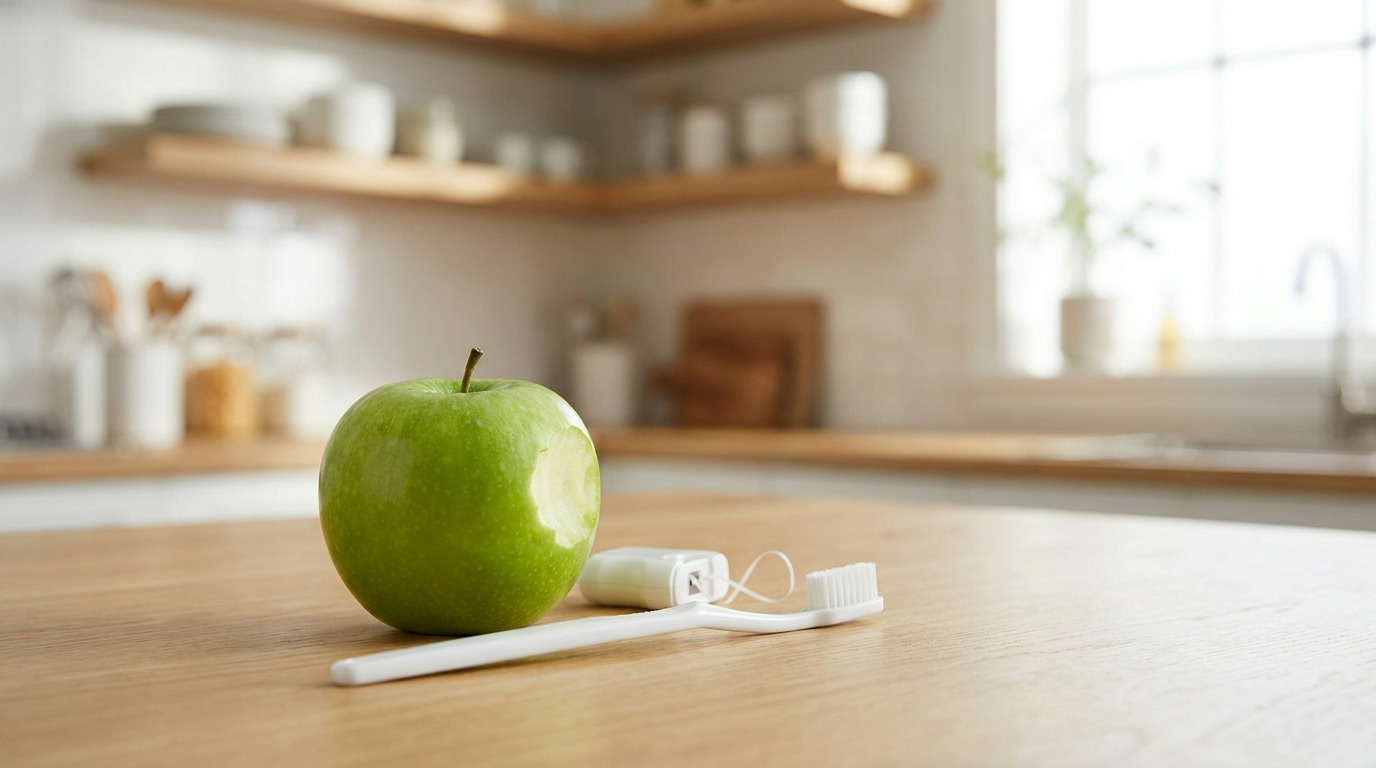
A green apple with a bite taken out of it, a white toothbrush, and dental floss rest on a light wooden kitchen counter with blurred shelves and a window in the background.

What This Means for You

Understanding that getting dental veneers is a generally comfortable experience can help alleviate much of the anxiety associated with the procedure. With the expertise of Dr. Yaron Miller and the caring team at Clairemont Dentistry, you can anticipate a smooth process, from the initial consultation through the final placement. Our priority is to ensure your comfort at every step, utilizing local anesthesia effectively and providing clear guidance for post-procedure care. If you're considering enhancing your smile with veneers, rest assured that modern dental techniques and a patient-focused approach minimize discomfort. Your journey to a brighter, more confident smile in Clairemont can be an enjoyable one, resulting in a beautiful, natural-looking transformation. We encourage you to discuss any concerns openly with us; we are here to support you in achieving your aesthetic goals.

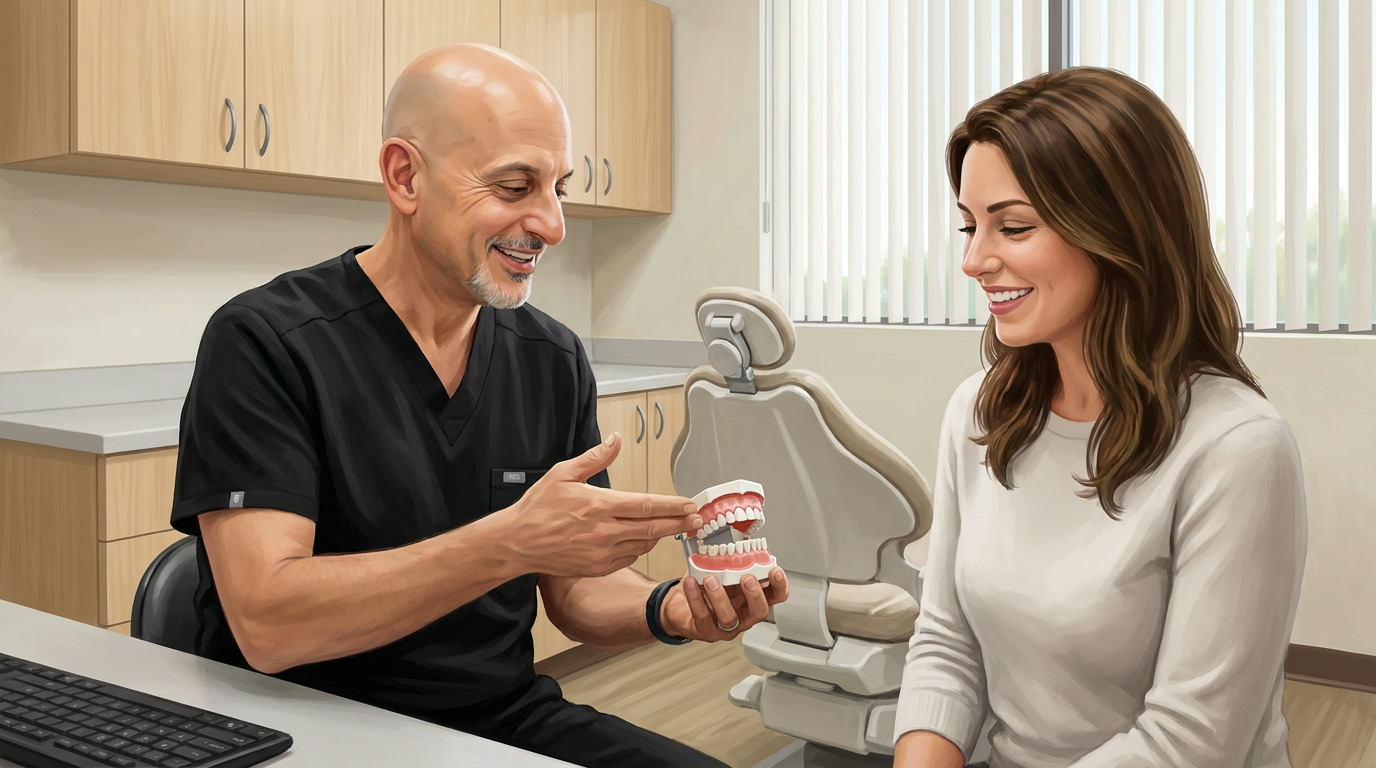
Dr. Yaron Miller, in black scrubs, points to a dental model of teeth with veneers while smiling at a smiling woman in a white long-sleeved shirt in a consultation room.

Frequently Asked Questions

1. Are dental veneers painful?
Modern veneer procedures are generally not painful, thanks to the effective use of local anesthesia during tooth preparation and placement.

2. Will I feel anything during veneer preparation?
You might feel some pressure or vibrations, but local anesthesia ensures you will not feel sharp pain during the enamel removal process.

3. How long does sensitivity last after veneers?
Post-procedure sensitivity to hot or cold typically subsides within a few days to two weeks as your teeth adjust.

4. Can I get veneers if I have sensitive teeth?
Dr. Yaron Miller will assess your sensitivity during the consultation and may recommend addressing it before placing veneers for optimal comfort.

5. What helps with veneer discomfort?
Over-the-counter pain relievers and desensitizing toothpastes can help manage any mild, temporary sensitivity after veneers are placed.

6. Is sedation available for veneer procedures?
Yes, Clairemont Dentistry offers options for conscious sedation to help anxious patients relax and feel more comfortable during their veneer appointments.

7. How quickly can I eat normally after veneers?
Most patients can resume normal eating habits immediately, though avoiding very hard foods for a day or two is often recommended.

8. Do veneers affect biting or chewing?
Initially, your bite might feel different, but Dr. Miller meticulously adjusts it to ensure comfortable and functional chewing.

9. How long do veneers last?
With proper care and good oral hygiene, dental veneers can last for 10-15 years or even longer.

10. Who should I contact if I have severe pain after veneers?
If you experience persistent or severe pain after your veneer procedure, contact Clairemont Dentistry immediately for an evaluation.

Related Blog Posts

Stay Informed with Expert Insights & Tips About Dental Care

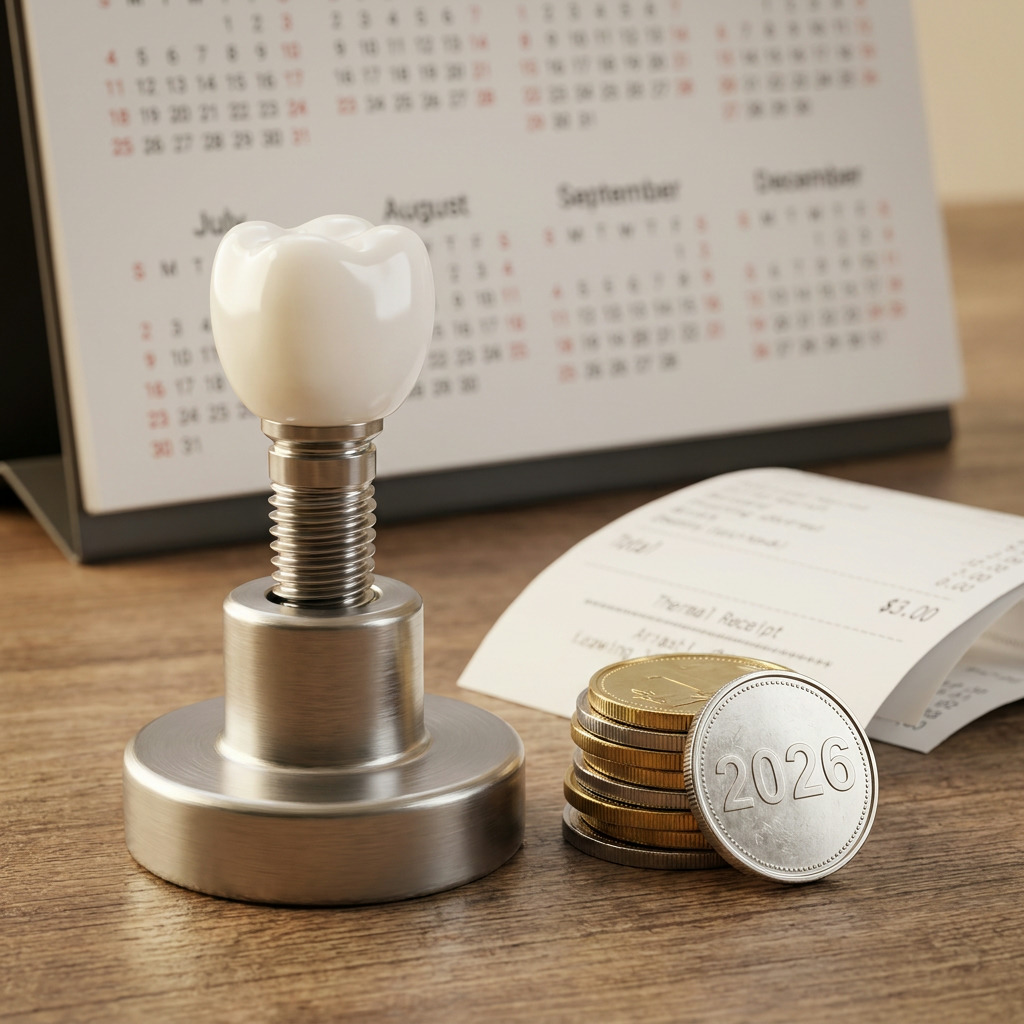
A dental implant model with a white crown on a brushed metal stand sits next to a stack of coins, one showing "2026," and a folded receipt, with a blurred desk calendar in the background.

Understanding All-on-4® Dental Implant Costs

All-on-4® dental implant costs vary by individual needs, materials, and preparatory procedures, with financing options available to manage the investment.

Lily stands in a kitchen, holding a glass of water and a small towel to her cheek, with an alarmed expression.

What Qualifies as a Dental Emergency?

Recognizing signs of a dental emergency like severe pain, knocked-out teeth, or abscesses helps ensure prompt treatment and prevents further complications.

A man in his late 30s, catching his reflection in a hallway mirror, half-smiling while subtly covering his mouth with his hand.

Protecting Your Veneers From Damage

Protecting your dental veneers requires mindful habits like avoiding hard foods, wearing a nightguard if needed, maintaining excellent oral hygiene, and regular dental check-ups.

Make An Appointment

Fill out the form and a member of our team will get back to you with your appointment confirmation shortly

Office Hours

Monday
8:00 AM – 4:30 PM
Tuesday
‍
8:00 AM – 4:30 PM
Wednesday
8:00 AM – 4:30 PM
Thursday
9:00 AM – 4:30 PM
Friday
8:00 AM – 2:00 PM
Saturday
Closed
Sunday
Closed
Thank you! Your submission has been received!
Oops! Something went wrong while submitting the form.