Back to Blogs

Protecting Your Veneers From Damage

Protecting your dental veneers requires mindful habits like avoiding hard foods, wearing a nightguard if needed, maintaining excellent oral hygiene, and regular dental check-ups.

August 5, 2026
2 min read
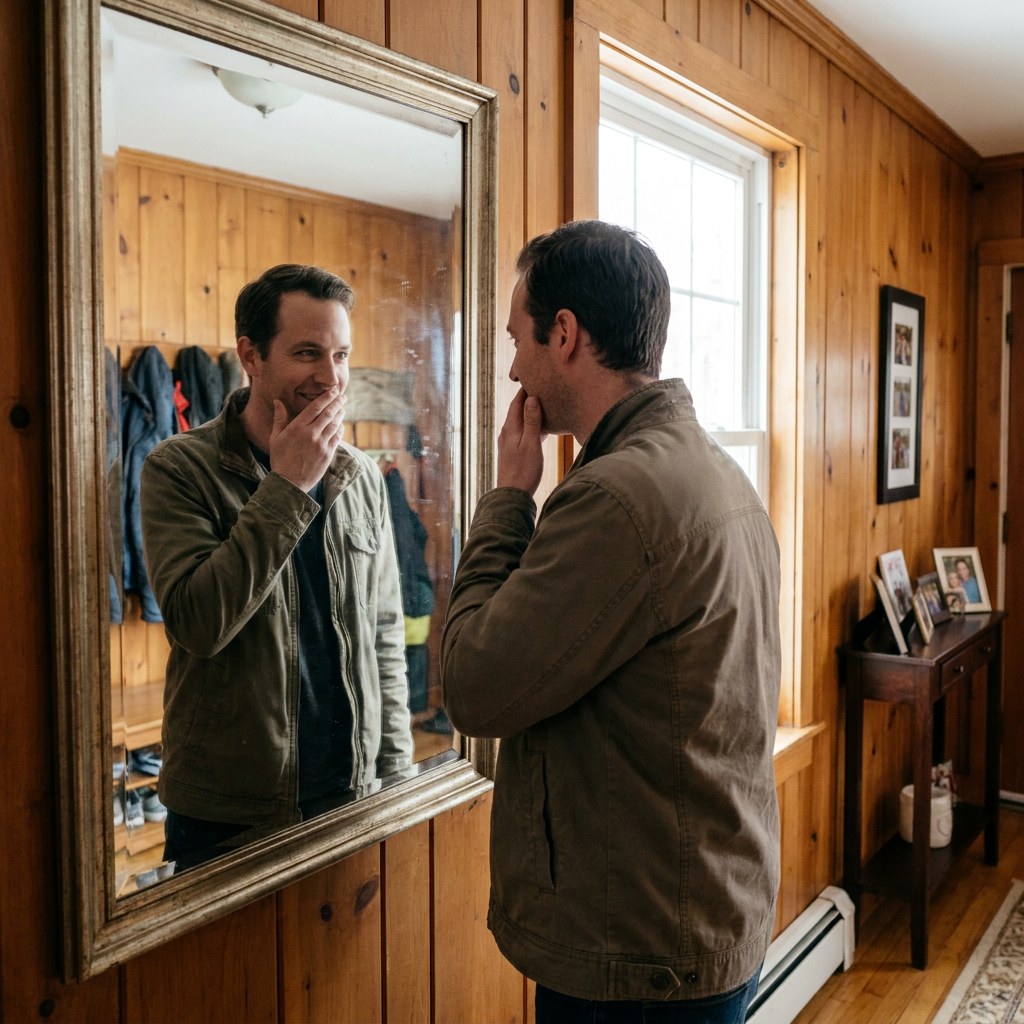
A man in his late 30s, catching his reflection in a hallway mirror, half-smiling while subtly covering his mouth with his hand.
Back to Blogs

Protecting Your Veneers From Damage

A man in his late 30s, catching his reflection in a hallway mirror, half-smiling while subtly covering his mouth with his hand.

Protecting your dental veneers requires mindful habits like avoiding hard foods, wearing a nightguard if needed, maintaining excellent oral hygiene, and regular dental check-ups.

August 5, 2026
2 min read

Investing in Your Smile

Dental veneers offer a beautiful way to transform a smile, providing a durable and aesthetically pleasing solution for various cosmetic concerns. Patients often express concerns about maintaining their pristine appearance long-term. With proper care, veneers longevity can be exceptional, making them a worthwhile investment.

Jenna, a woman in her early 40s, recently had veneers placed by Dr. Yaron Miller at Clairemont Dentistry. She was thrilled with her new smile.

However, she was eager to learn how to keep them looking their best. She wanted to understand the best practices for veneer maintenance to ensure her radiant smile lasted for many years. Dr. Miller assured her that protecting her new veneers was entirely achievable with a few simple, consistent habits.

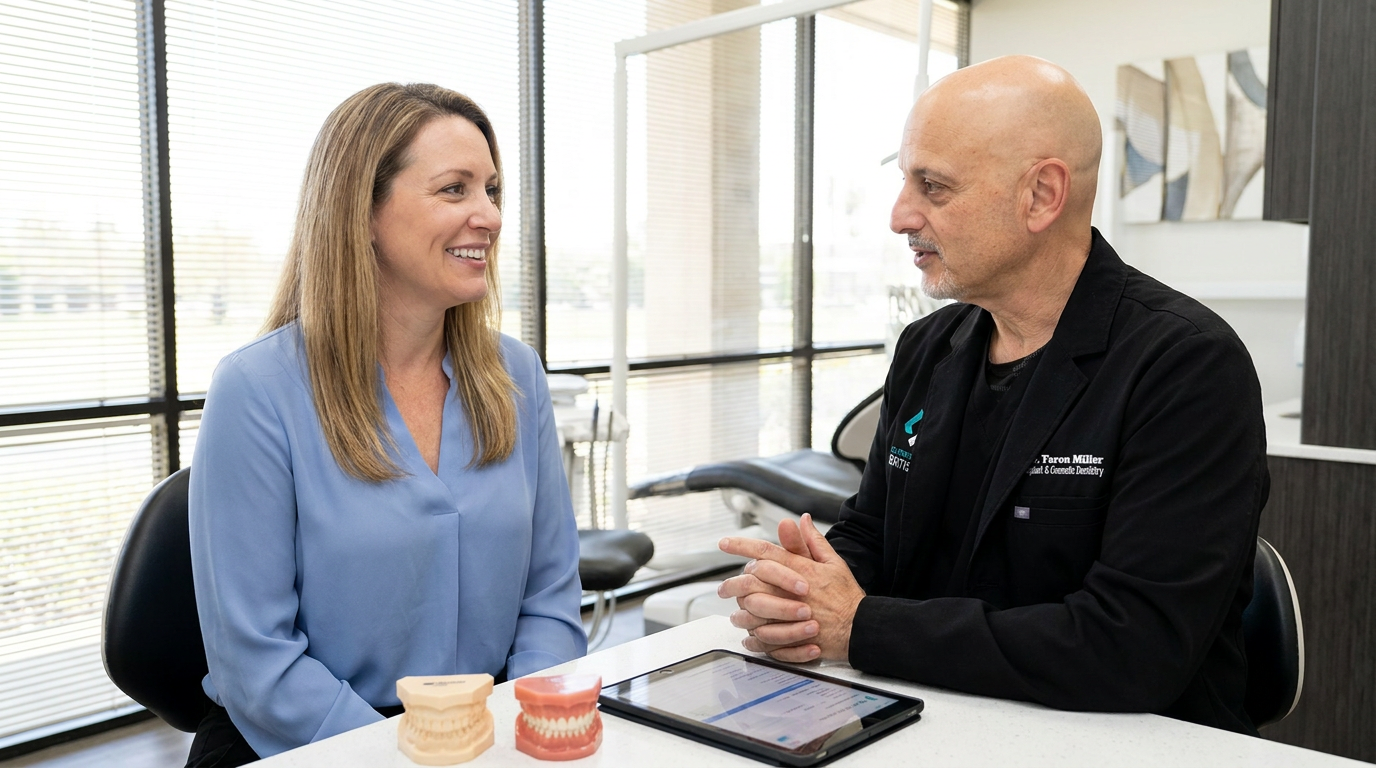
Jenna, with a warm, relieved expression, sits across from Dr. Yaron Miller, in a modern, brightly lit dental consultation room.

What Damages Veneers?

Several common habits and factors can compromise the integrity and appearance of veneers, even though they are quite strong. Jenna wondered if her previous habits, like occasionally chewing ice, would be an issue. Dr. Miller explained that while veneers are durable, they are not indestructible and certain actions can lead to premature wear or fracture.

Understanding these potential hazards is the first step in avoiding damage. Jenna listened carefully as Dr. Miller detailed common culprits. It’s crucial to treat veneers with the same care as natural teeth, perhaps even more so.

Common Veneer Hazards

  • Hard or Sticky Foods: Biting directly into very hard foods like nuts, hard candies, or ice can cause chips or cracks. Sticky candies can also pull at veneers.
  • Using Teeth as Tools: Opening packages, biting fingernails, or chewing on pens places undue stress on veneers. This can lead to chipping or dislodgement.
  • Teeth Grinding (Bruxism): Clenching or grinding teeth, especially at night, can put extreme pressure on veneers, leading to fractures. A nightguard is often recommended for those who grind.
  • Poor Oral Hygiene: Neglecting brushing and flossing can lead to gum disease, which can affect the underlying tooth structure and veneer margins. This can cause veneers to loosen.
  • Impact Trauma: A direct blow to the mouth from sports or an accident can damage veneers, just as it would natural teeth. Wearing a mouthguard during contact sports is essential.
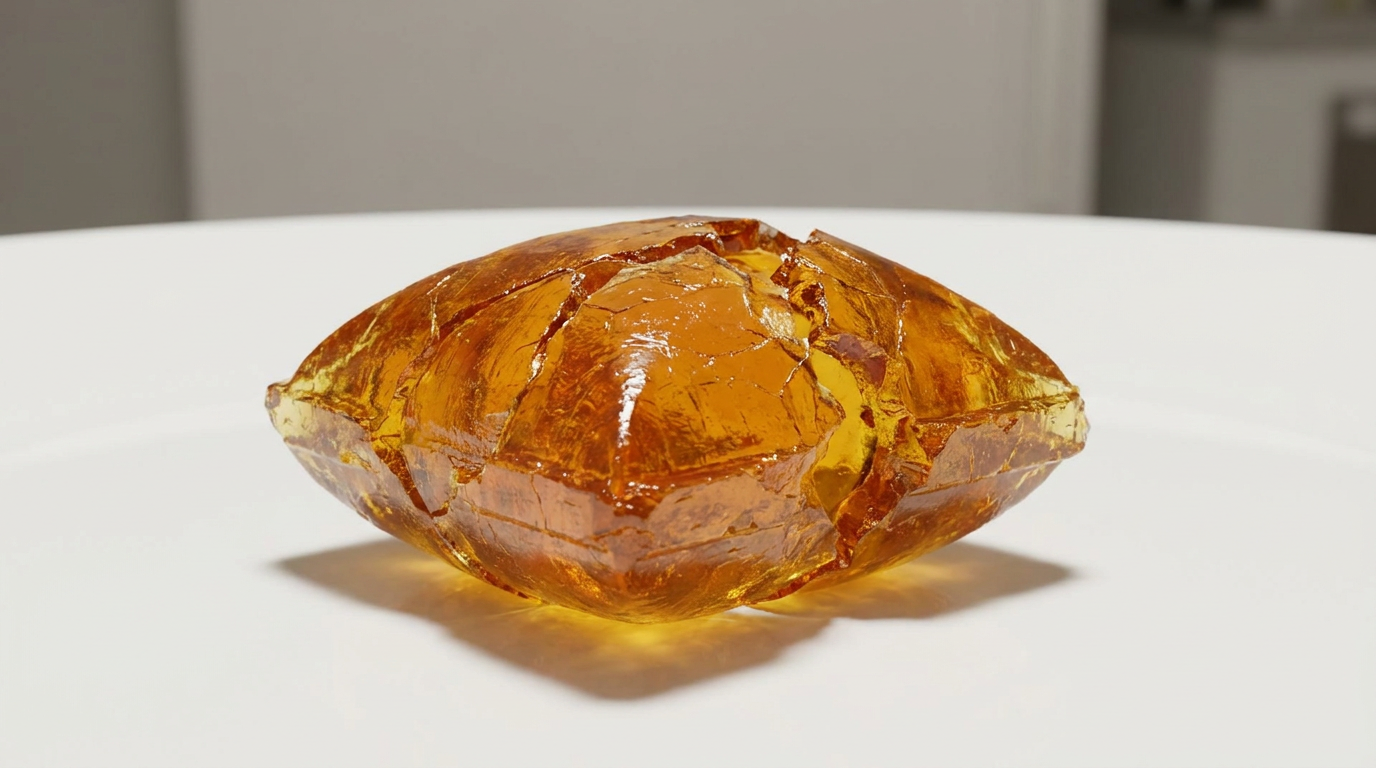
An extreme close-up on hands and object of a cracked and chipped piece of a hard candy with jagged edges, resting on a clean white surface, illustrating the potential damage to veneers.

How to Protect Veneers?

Protecting your veneers involves a combination of mindful habits and excellent oral hygiene. Jenna was relieved to hear that many of the recommendations were already part of her routine. Dr. Yaron Miller emphasized that consistency is key for long-term veneer health.

These proactive steps minimize risks and help maintain the aesthetic appeal of her new smile. Taking simple precautions daily can significantly extend the lifespan of her investment.

Daily Protection Strategies

  • Mindful Eating Habits: Avoid biting directly into extremely hard or sticky foods. Cut apples or carrots into smaller pieces instead of biting into them whole.
  • Wear a Nightguard (If Needed): If Dr. Miller suspects you grind his teeth at night, a custom-fitted nightguard provides crucial protection against bruxism-related damage. Jenna decided to ask Dr. Miller about getting one.
  • Practice Excellent Oral Hygiene: Brush twice a day with a non-abrasive toothpaste and soft-bristled brush. Floss daily to keep gums healthy and prevent decay around the veneers.
  • Avoid Using Teeth as Tools: Break the habit of biting nails, chewing on pens, or using teeth to open packages. Keep appropriate tools handy for these tasks.
  • Limit Stain-Causing Foods/Drinks: While porcelain veneers are stain-resistant, the bonding material can sometimes discolor. Limiting coffee, tea, and red wine helps maintain brilliance.
Jenna, in a soft pink blouse, carefully cuts an apple into small, manageable slices with a knife on a wooden cutting board in her sunlit kitchen, demonstrating mindful eating habits to protect her veneers.

Do Veneers Need Special Cleaning?

While veneers themselves are non-porous and resist staining better than natural enamel, the underlying teeth and surrounding gums still require diligent care. Jenna wondered if she needed special toothpaste or a different brushing technique. Dr. Yaron Miller explained that gentle, thorough cleaning is paramount.

He assured her that her regular oral hygiene routine, with a few minor considerations, would be perfectly adequate. The goal is to keep the entire mouth healthy. Healthy gums are crucial for the longevity of the veneers.

Using a soft-bristled toothbrush and non-abrasive toothpaste is recommended to avoid scratching the veneer surface. Flossing daily around the veneers is also essential to prevent plaque buildup and gum inflammation.

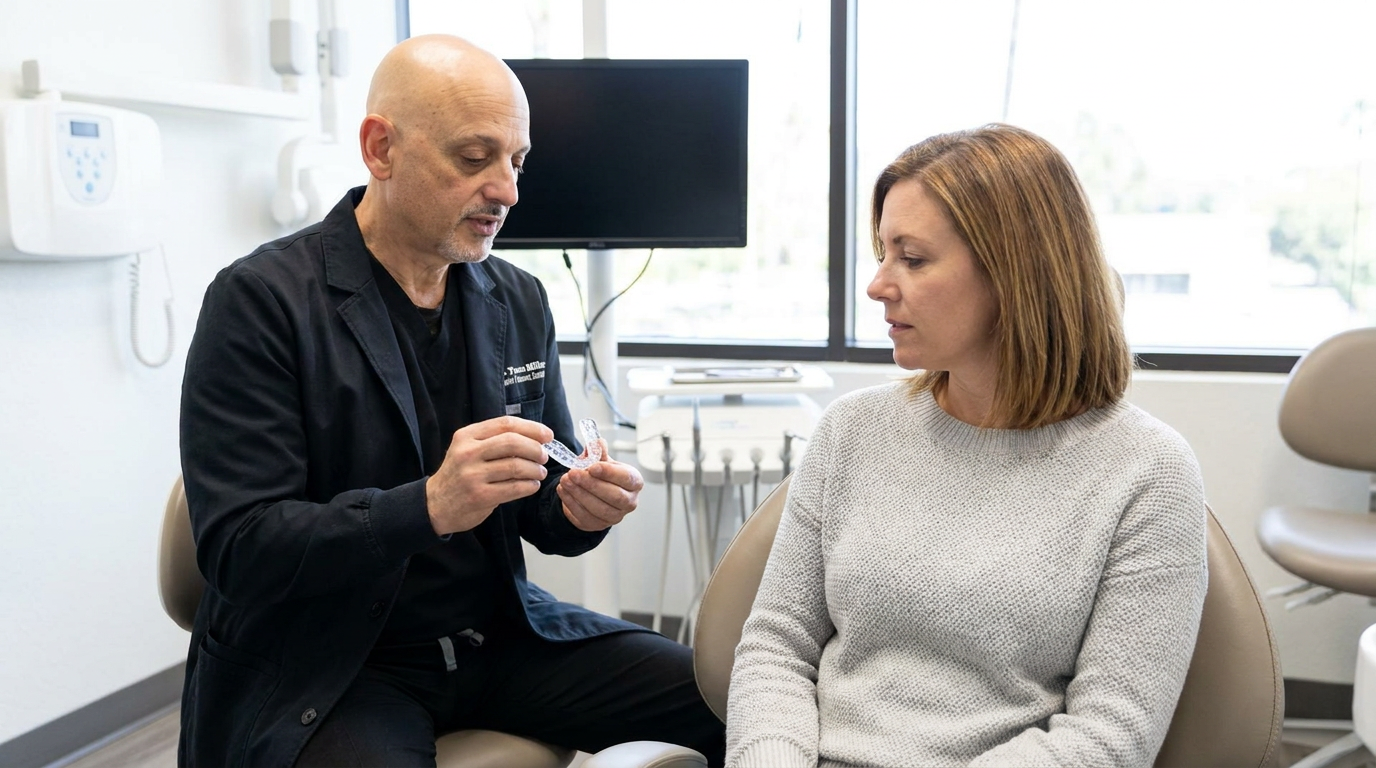
Dr. Yaron holds a clear nightguard while explaining its function to Jenna, who listens intently in a dental chair.

Ready for a Confident Smile?

If you're considering veneers or need expert advice on maintaining your existing ones, Dr. Yaron Miller and his team at Clairemont Dentistry are here to help. Schedule a consultation to discuss your smile goals and learn more about our comprehensive cosmetic dental solutions. Contact us today to begin your journey to a brighter, more confident smile.

What Are Signs of Veneer Wear?

Recognizing early signs of veneer wear can help prevent more significant issues and allow for timely intervention. Jenna wanted to know what she should look out for during her daily routine. Dr. Yaron Miller advised patients to be attentive to subtle changes in appearance or sensation, as these can be indicators of potential problems.

Early detection can mean simpler, less invasive solutions. Regular self-checks can empower patients to act quickly. Knowing these signs is an important part of veneers protection.

Warning Signs to Watch For

  • Chipping or Cracking: Small chips, especially along the edges, or fine lines appearing on the veneer surface. This is a clear sign of mechanical stress.
  • Rough Spots or Edges: If a veneer suddenly feels rough to the tongue or catches floss, it might be an indication of damage or wear. These can irritate gums.
  • Discoloration at the Edges: A dark line or yellowish tint appearing at the gum line of the veneered tooth could indicate leakage or a separating bond. This needs prompt attention.
  • Sensitivity: Increased sensitivity to hot or cold in a veneered tooth could signal an issue with the underlying tooth or the veneer's seal. It’s important not to ignore this.
  • Veneer Loosening or Falling Off: While rare, if a veneer feels loose or completely detaches, it requires immediate dental attention. Dr. Miller can often re-bond it.
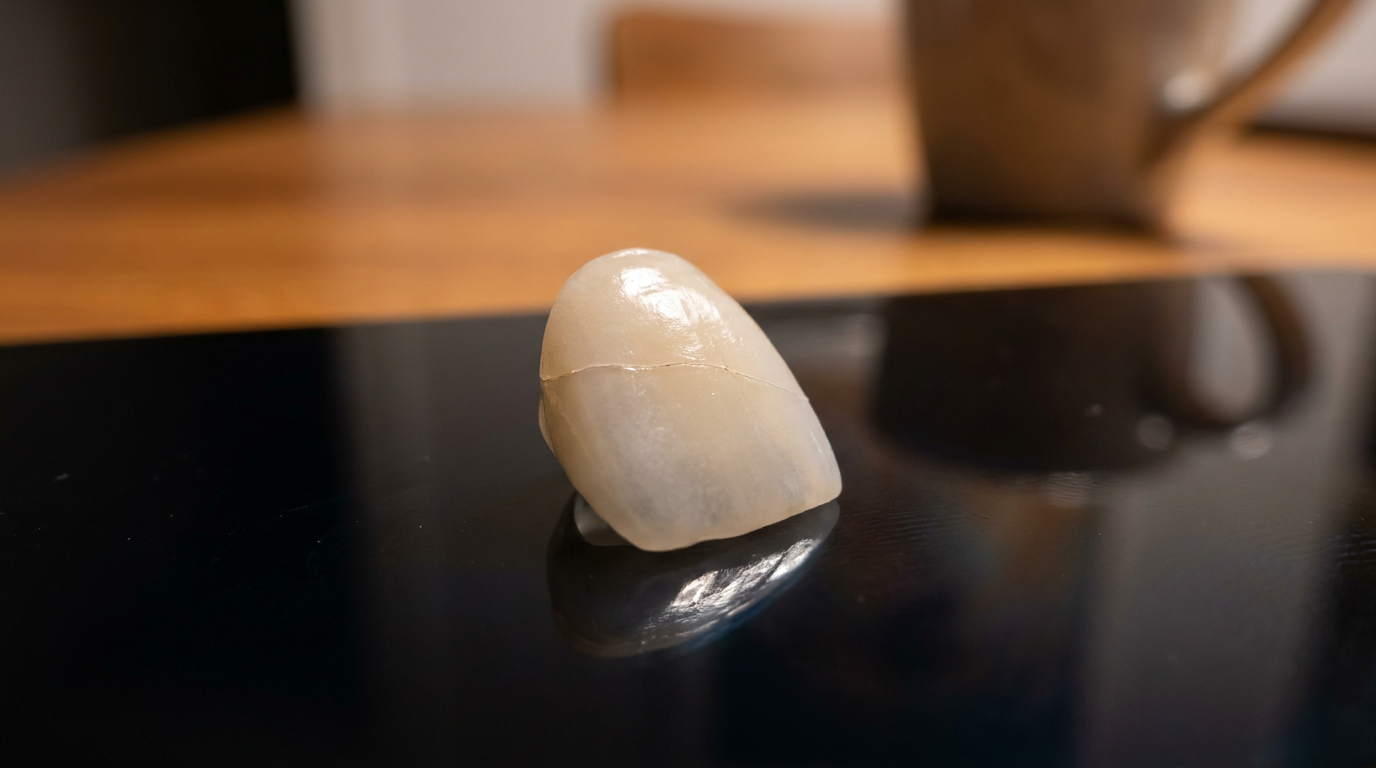
A macro shot of a single porcelain veneer with a small, hairline crack visible on its surface, placed on a dark, reflective background, indicating a sign of wear.

When to See Your Dentist?

Regular dental check-ups are fundamental for maintaining the health and longevity of your veneers. Jenna had always been diligent about her bi-annual visits, and Dr. Yaron Miller confirmed this habit was more important than ever. These appointments allow the dentist to professionally clean the teeth and assess the condition of the veneers.

During these visits, Dr. Miller can identify any early signs of wear or issues that Jenna might not notice herself. He can also reinforce good oral hygiene practices. Professional oversight is invaluable for veneer care.

Beyond routine appointments, it's crucial to schedule a visit if you notice any of the warning signs discussed earlier. Prompt attention to issues can prevent them from escalating into more complex problems. Don't wait for pain to seek help; early intervention is always best.

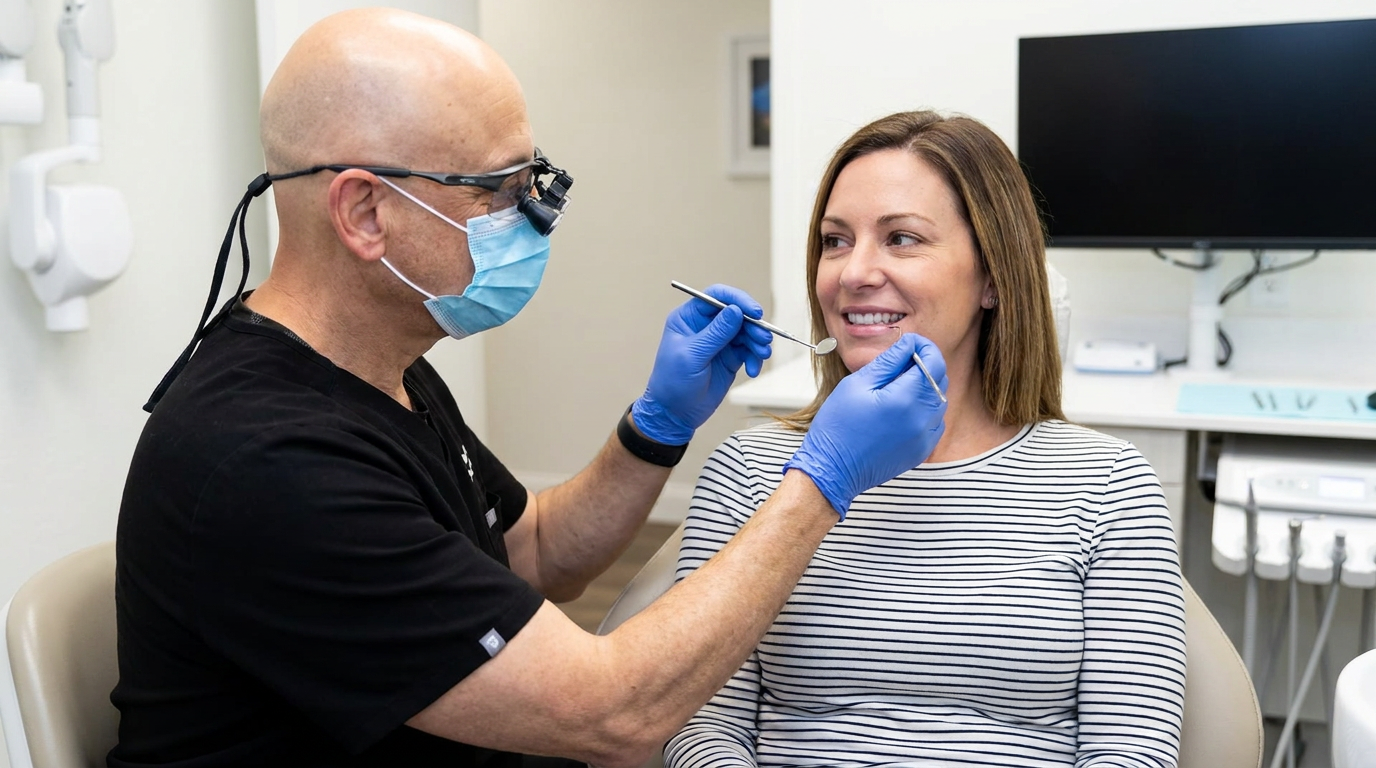
Jenna smiles in a dental chair as Dr. Miller gently examines her veneers with a dental mirror and probe during a routine check-up.

Can Lifestyle Affect Veneer Longevity?

Indeed, lifestyle choices play a significant role in how long veneers maintain their aesthetic appeal and structural integrity. Jenna, who was quite active, asked if her habits could impact her new smile. Dr. Yaron Miller confirmed that certain aspects of daily life directly influence veneers longevity.

Making conscious decisions can significantly extend the life of your investment. It's about integrating veneer care into your overall wellness routine. A healthy mouth is part of a healthy body.

Lifestyle Factors for Veneer Care

  • Dietary Habits: Limiting extremely hard, crunchy, or sticky foods reduces the risk of chipping or dislodging veneers. A balanced diet supports overall oral health.
  • Smoking Cessation: Smoking can stain the margins of veneers and compromise gum health, potentially leading to issues. This habit should be avoided for optimal veneer appearance.
  • Alcohol Consumption: Excessive alcohol can weaken the bonding material over time, potentially affecting the veneer's adhesion. Moderation is advised.
  • Oral Piercings: Tongue or lip piercings can repeatedly bump against veneers, causing chips or cracks. These are generally not recommended for veneer patients.
  • Sports Protection: If participating in contact sports, always wear a custom-fitted mouthguard to protect veneers from impact trauma. This is a critical preventative measure.
A detailed still life of a cigarette and a glass of red wine on a dark wood table next to a small, empty coffee cup, with soft, ambient lighting, representing lifestyle factors that can affect veneer longevity.

A Lasting, Confident Smile

Jenna left Clairemont Dentistry feeling empowered and confident about maintaining her beautiful new smile. She understood that while veneers were a significant investment, their longevity was largely within her control through diligent care and regular check-ups with Dr. Yaron Miller.

Her initial concerns about accidental damage had been replaced with a clear understanding of practical, everyday strategies. She knew to be mindful of what she ate, to avoid using her teeth as tools, and to maintain her excellent oral hygiene routine. The idea of a custom nightguard for potential nighttime grinding was also something she planned to pursue, adding another layer of protection.

These steps, coupled with Dr. Miller's expertise, gave her peace of mind. Jenna’s experience highlights a crucial truth: cosmetic enhancements like veneers thrive on consistent, thoughtful care. It’s not just about the initial transformation but about nurturing that beauty over time. By following Dr. Miller’s advice, Jenna ensured her radiant smile would continue to bright for many years, a testament to her commitment and the quality of her dental care.

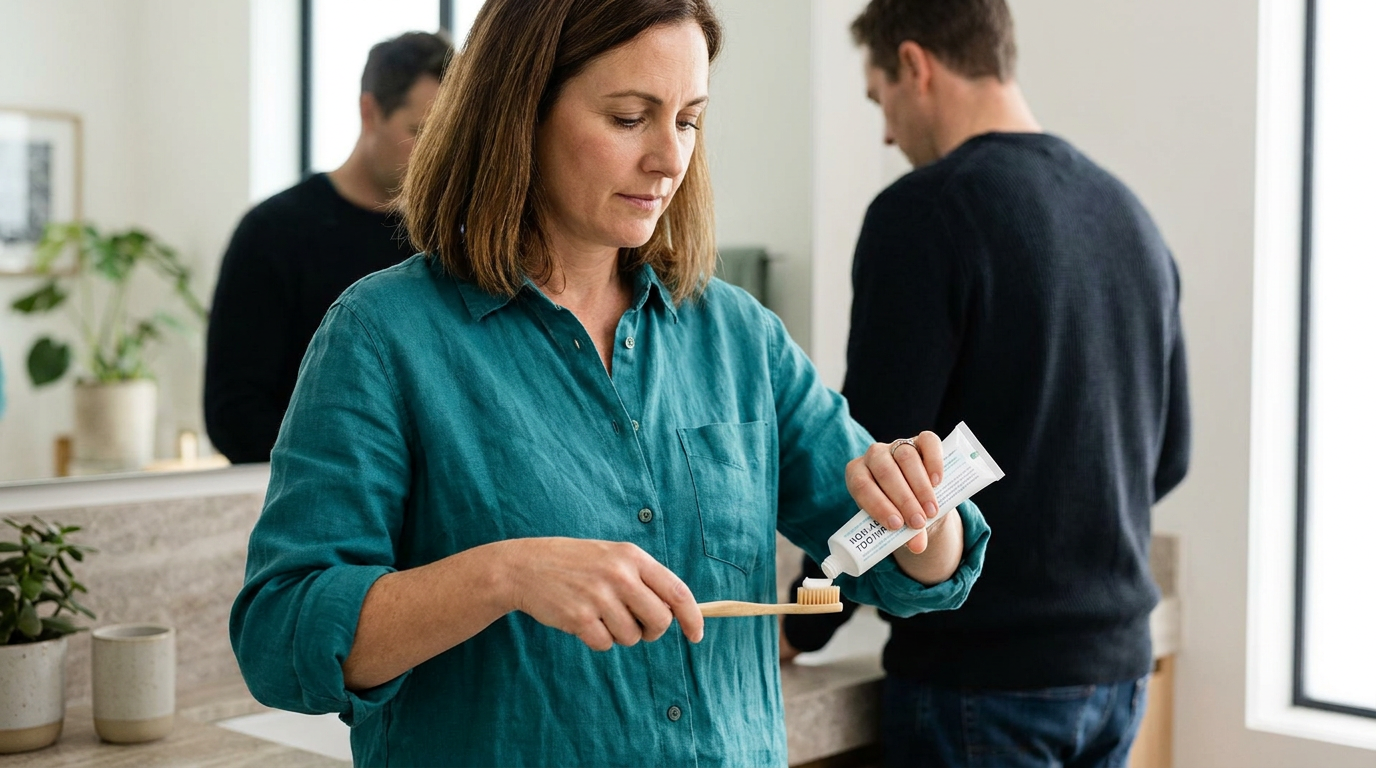
Jenna, in a teal linen shirt, is applying a non-abrasive toothpaste to a soft-bristled toothbrush in her clean, modern bathroom, preparing for her daily oral hygiene routine.

Frequently Asked Questions

1. What exactly are dental veneers?
Dental veneers are thin, custom-made shells, usually made of porcelain or resin composite, designed to cover the front surface of teeth. They are bonded to the teeth to improve their appearance, addressing issues like discoloration, chips, gaps, or uneven alignment. Dr. Miller customizes each veneer for a natural look.

2. How long do dental veneers typically last?
With proper care and maintenance, dental veneers can last anywhere from 10 to 15 years, and sometimes even longer. Their lifespan depends on factors like oral hygiene, dietary habits, and whether a patient grinds their teeth. Regular check-ups with Dr. Miller help monitor their condition.

3. Can veneers stain like natural teeth?
Porcelain veneers are highly resistant to stains because they are non-porous. However, the bonding material used to attach them to your teeth can sometimes discolor over time, especially with frequent consumption of staining foods and drinks. Dr. Miller recommends limiting these for optimal appearance.

4. Do I need to avoid certain foods with veneers?
Yes, it's advisable to avoid extremely hard or sticky foods like nuts, hard candies, or taffy, as these can chip or dislodge your veneers. Cutting harder fruits and vegetables into smaller pieces is also a good practice. Dr. Miller provides detailed dietary guidelines for his veneer patients.

5. Is a special toothbrush or toothpaste needed for veneers?
No, a special toothbrush isn't usually required; a soft-bristled brush is ideal for veneers and natural teeth alike. It's important to use a non-abrasive toothpaste to avoid scratching the veneer surface. Dr. Miller can recommend specific products during your visits.

6. What if my veneer chips or comes off?
If a veneer chips, cracks, or completely detaches, it's important to contact Clairemont Dentistry immediately. Dr. Miller may be able to repair a minor chip or re-bond the veneer if it’s intact. In some cases, a new veneer might be necessary. Prompt action is always best.

Related Blog Posts

Stay Informed with Expert Insights & Tips About Dental Care

Caleb, in a navy crewneck, unwraps a new night guard on his nightstand next to a book.

Are Veneers Bad for You? Debunking Myths

Veneers safely enhance smiles when placed by skilled professionals like Dr. Yaron Miller, prioritizing minimal enamel removal and long-term care.

Erin sits at a kitchen island, studying dental floss instructions, next to a mug of tea.

How to Keep Your Gums Healthy and Strong

Prioritizing gum health through daily care, proper technique, and regular dental visits is crucial for preventing disease and maintaining a strong smile.

Lauren sips coffee from a mug, looking serenely out her kitchen window.

Finding Your Ideal Kearny Mesa Dentist

Discover key factors for choosing the ideal Kearny Mesa dentist, focusing on credentials, technology, patient reviews, and comprehensive care.

Make An Appointment

Fill out the form and a member of our team will get back to you with your appointment confirmation shortly

Office Hours

Monday
8:00 AM – 4:30 PM
Tuesday
8:00 AM – 4:30 PM
Wednesday
8:00 AM – 4:30 PM
Thursday
9:00 AM – 4:30 PM
Friday
8:00 AM – 2:00 PM
Saturday
Closed
Sunday
Closed
Thank you! Your submission has been received!
Oops! Something went wrong while submitting the form.