Back to Blogs

What Qualifies as a Dental Emergency?

Recognizing signs of a dental emergency like severe pain, knocked-out teeth, or abscesses helps ensure prompt treatment and prevents further complications.

September 3, 2026
2 min read
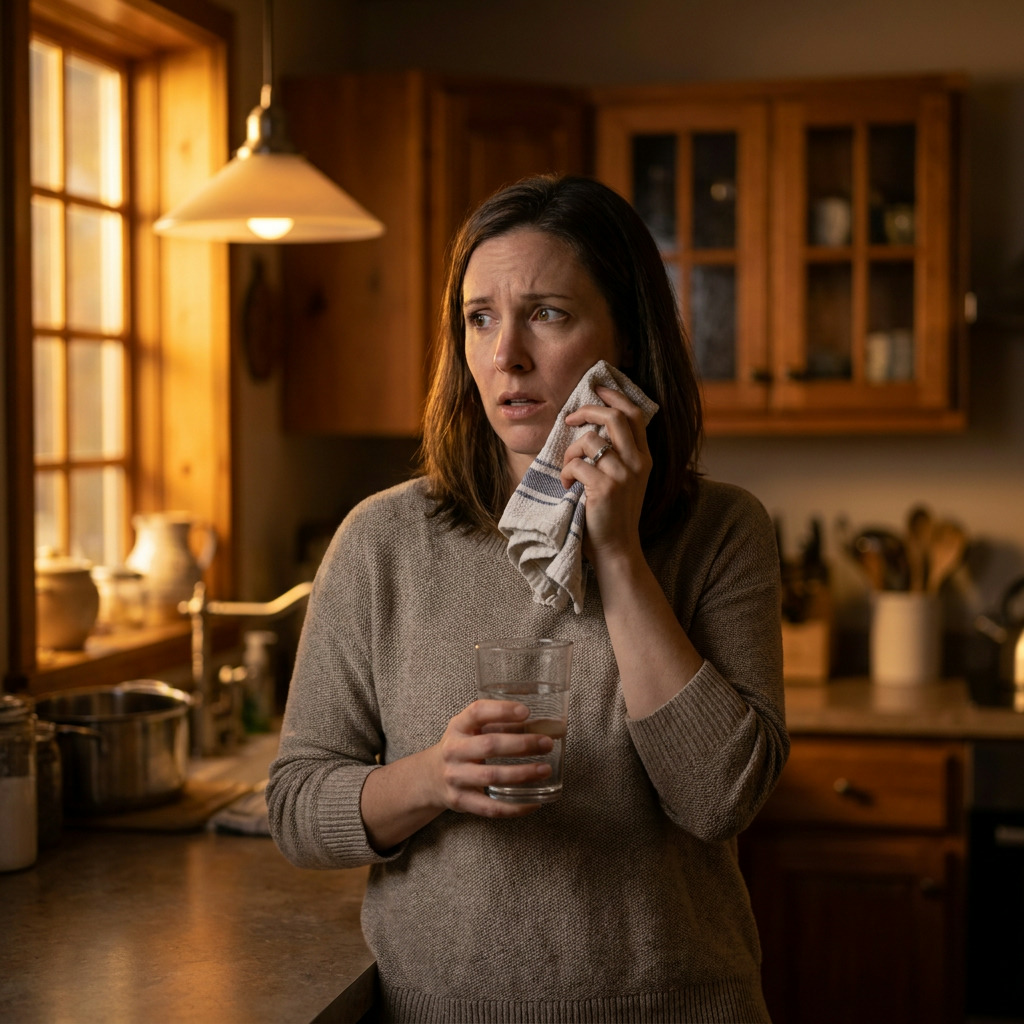
Lily stands in a kitchen, holding a glass of water and a small towel to her cheek, with an alarmed expression.
Back to Blogs

What Qualifies as a Dental Emergency?

Lily stands in a kitchen, holding a glass of water and a small towel to her cheek, with an alarmed expression.

Recognizing signs of a dental emergency like severe pain, knocked-out teeth, or abscesses helps ensure prompt treatment and prevents further complications.

September 3, 2026
2 min read

Recognizing True Dental Urgencies

A dental emergency is any oral health issue requiring immediate attention to save a tooth, stop bleeding, or alleviate severe pain. These situations often involve trauma, sudden infection, or rapid deterioration of an existing condition. Ignoring them can lead to serious complications, including permanent tooth loss or systemic health problems. Prompt action is crucial for preserving your oral health.

Austin, a man in his early 40s, recently found himself wrestling with this very question. He woke up one morning with an excruciating toothache, far worse than any he’d experienced before. He wasn't sure if he should call his dentist or head straight to an urgent care center.

Austin’s uncertainty about his sudden, severe discomfort highlighted a common dilemma many patients face. He knew something was wrong, but identifying whether it qualified as a true dental emergency was the challenge.

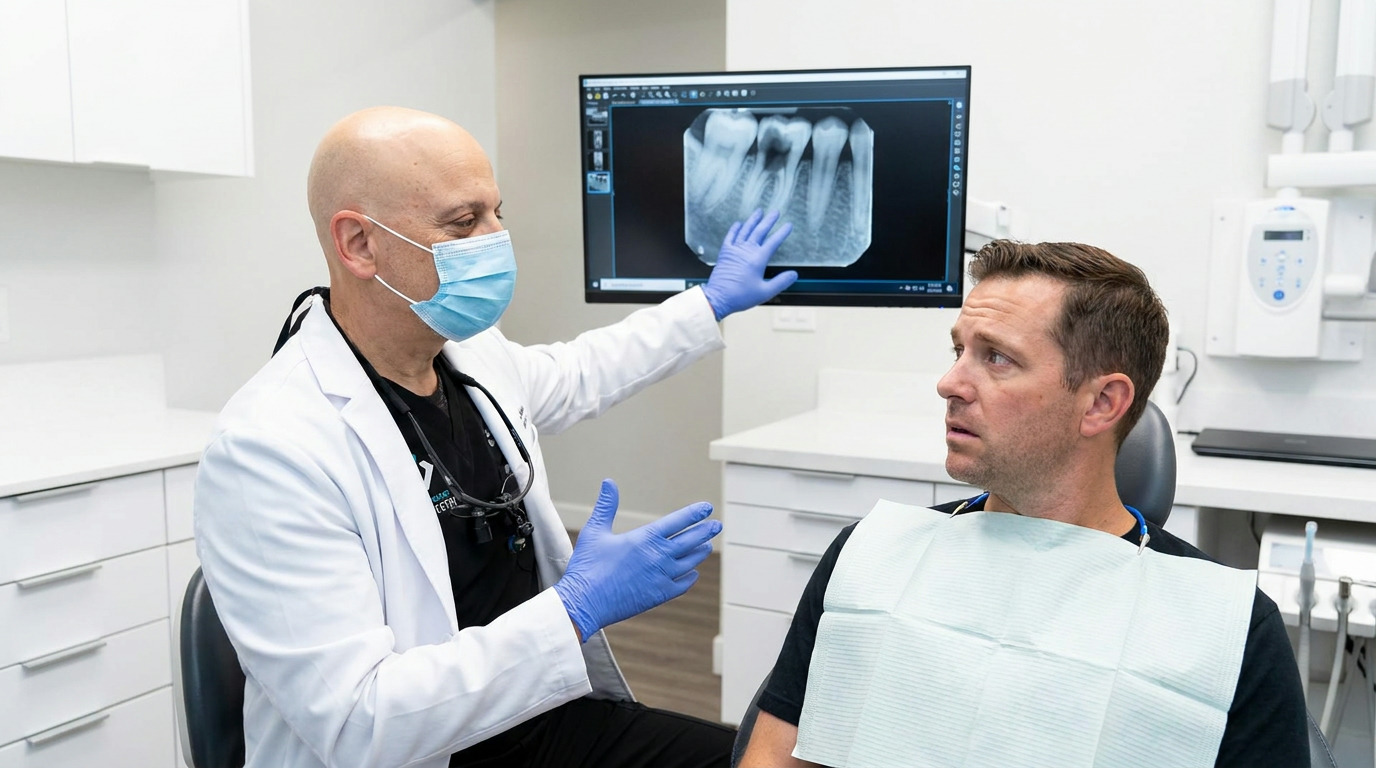
A dentist in a white lab coat, blue mask, and gloves points to a dental X-ray on a monitor while consulting with a patient wearing a dental bib in a modern dental office.

What Qualifies as a Dental Emergency?

A dental emergency typically involves situations where delaying treatment could cause irreversible damage or significantly worsen your condition. These critical moments demand prompt professional intervention from a dental practice. Dr. Yaron Miller at Clairemont Dentistry emphasizes that recognizing these signs early is key.

Austin described his pain as a throbbing sensation that kept him from sleeping. His cheek felt swollen to the touch. Dr. Miller explained that while a mild toothache might wait, Austin's symptoms suggested something far more serious was at play.

Dr. Miller often advises patients to consider these common signs when evaluating their situation:

  • Severe, persistent toothache: Especially if accompanied by swelling, fever, or difficulty swallowing.
  • Knocked-out tooth: Time is critical for successful re-implantation.
  • Cracked or broken tooth: If pain is present or a large piece is missing.
  • Abscess: A painful, pus-filled swelling signaling infection.
  • Uncontrolled bleeding: From the mouth, perhaps after an injury or extraction.
Austin sits up in bed in a dimly lit room, holding his jaw with a distressed expression, next to a glowing bedside lamp and a digital clock showing 3:00 AM.

Toothache or Abscess: the Difference

While any toothache can be unpleasant, an abscess signifies a severe infection requiring immediate attention. An abscess forms when bacteria infect the tooth’s pulp or surrounding gum tissue, creating a pocket of pus. This infection can spread rapidly if left untreated, potentially impacting overall health.

Austin initially thought his discomfort was just a bad toothache, perhaps from a forgotten cavity. However, the rapidly increasing pain and localized swelling raised alarms. Dr. Yaron Miller’s examination confirmed that Austin had developed an acute dental abscess.

Understanding the nuances helps patients like Austin seek timely care. Key indicators of an abscess include:

  • Intense, throbbing pain: Often radiating to the ear, jaw, or neck.
  • Sensitivity to hot and cold: Or to pressure when chewing.
  • Facial swelling: Particularly in the cheek or around the jaw.
  • Pimple-like bump on gums: Which may rupture, releasing foul-tasting pus.
  • Fever or general malaise: Indicating a spreading infection.
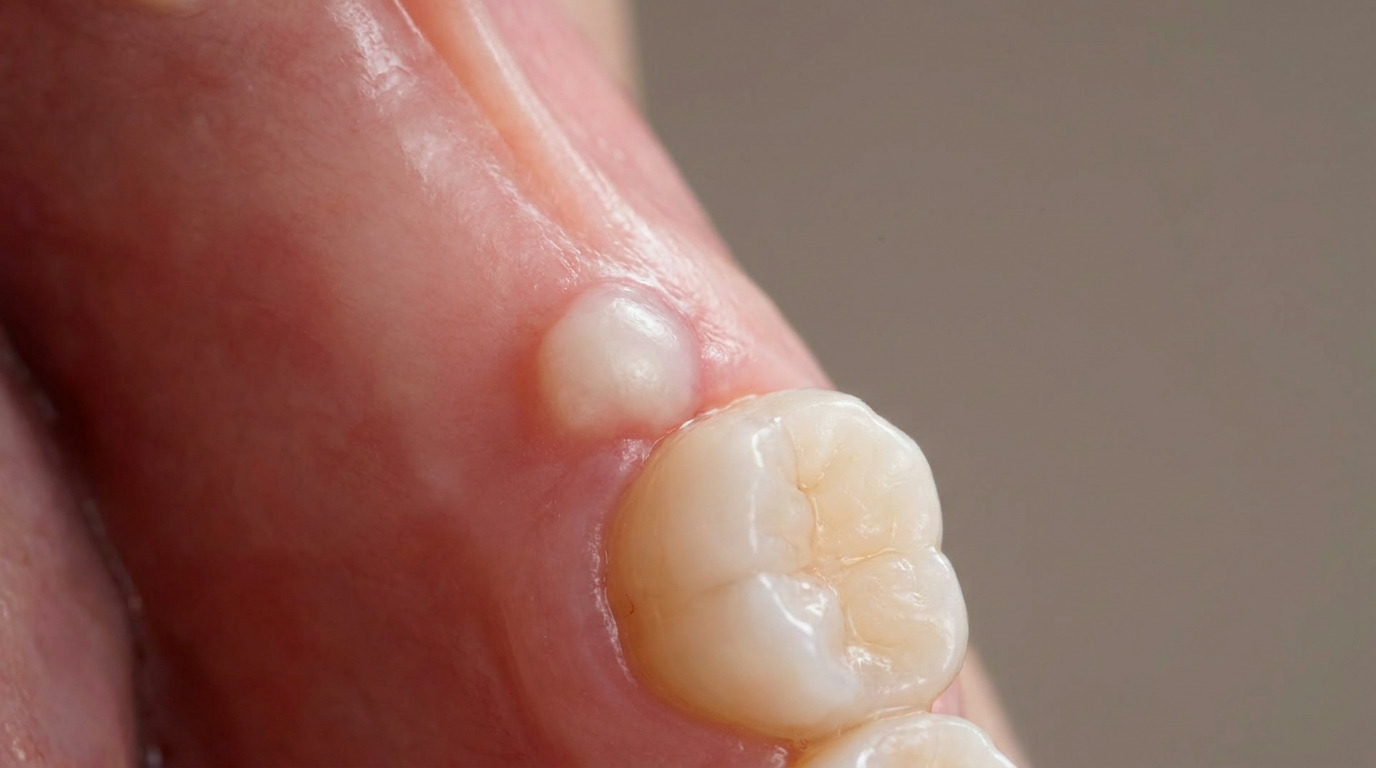
A close-up shows a white, swollen area on the gum line next to a molar, with another molar partially visible below.

When to Seek Emergency Dental Care

You should seek emergency dental care whenever you experience symptoms that are sudden, severe, or indicative of a rapidly developing problem. This includes any situation where delaying treatment could jeopardize a tooth or your general well-being. Immediate action vastly improves outcomes for many dental traumas.

Austin's instinct to call Clairemont Dentistry was absolutely correct. His symptoms, particularly the severe pain and swelling, were textbook indicators for needing an emergency dentist. Dr. Yaron Miller emphasizes that quick communication allows his team to guide patients appropriately.

Many times, patients hesitate, unsure if their issue truly warrants an urgent visit. Dr. Yaron Miller assures them that if they are in significant pain or worried about permanent damage, it is always best to err on the side of caution and reach out to the practice.

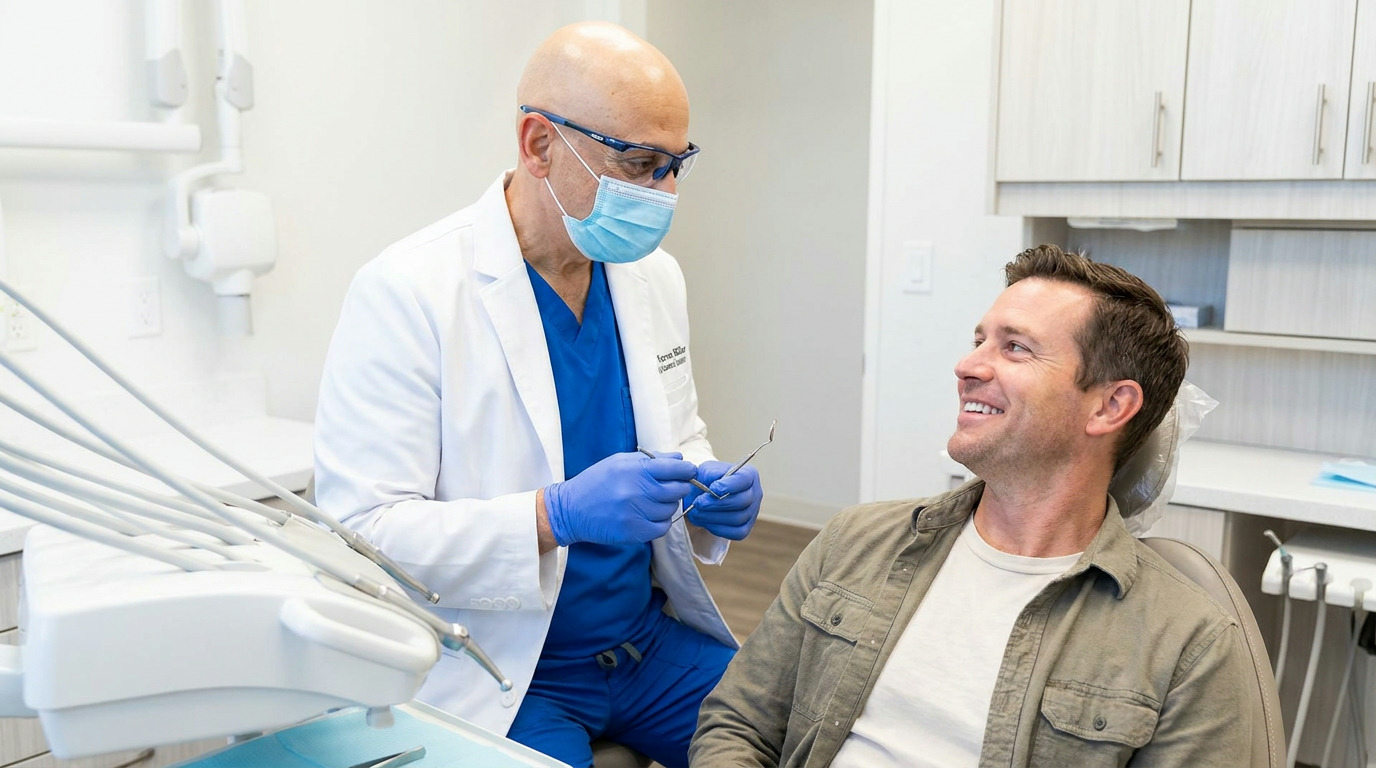
Dr. Yaron Miller, in blue scrubs, white lab coat, mask, and gloves, holds dental tools while looking at Austin, who is seated in a dental chair and smiling in a bright operatory.

Need Urgent Dental Care in Clairemont?

If you are experiencing a dental emergency, do not hesitate to contact Clairemont Dentistry immediately. Our team is here to provide the prompt care you need to relieve pain and protect your oral health. Call us directly to schedule an emergency appointment.

First Aid Until You See a Dentist

Taking appropriate first aid steps can significantly improve your comfort and the prognosis of your dental emergency while you wait for professional care. These actions are temporary solutions, designed to manage symptoms and prevent further damage, not to replace a dental visit. Dr. Yaron Miller advises patients on effective interim measures.

When Austin called, Dr. Yaron Miller’s team provided him with clear instructions. He was advised to apply a cold compress to his swollen cheek to help reduce swelling. He also took an over-the-counter pain reliever, as recommended, to manage his discomfort.

Being prepared can make a big difference. Dr. Yaron Miller’s advice often includes:

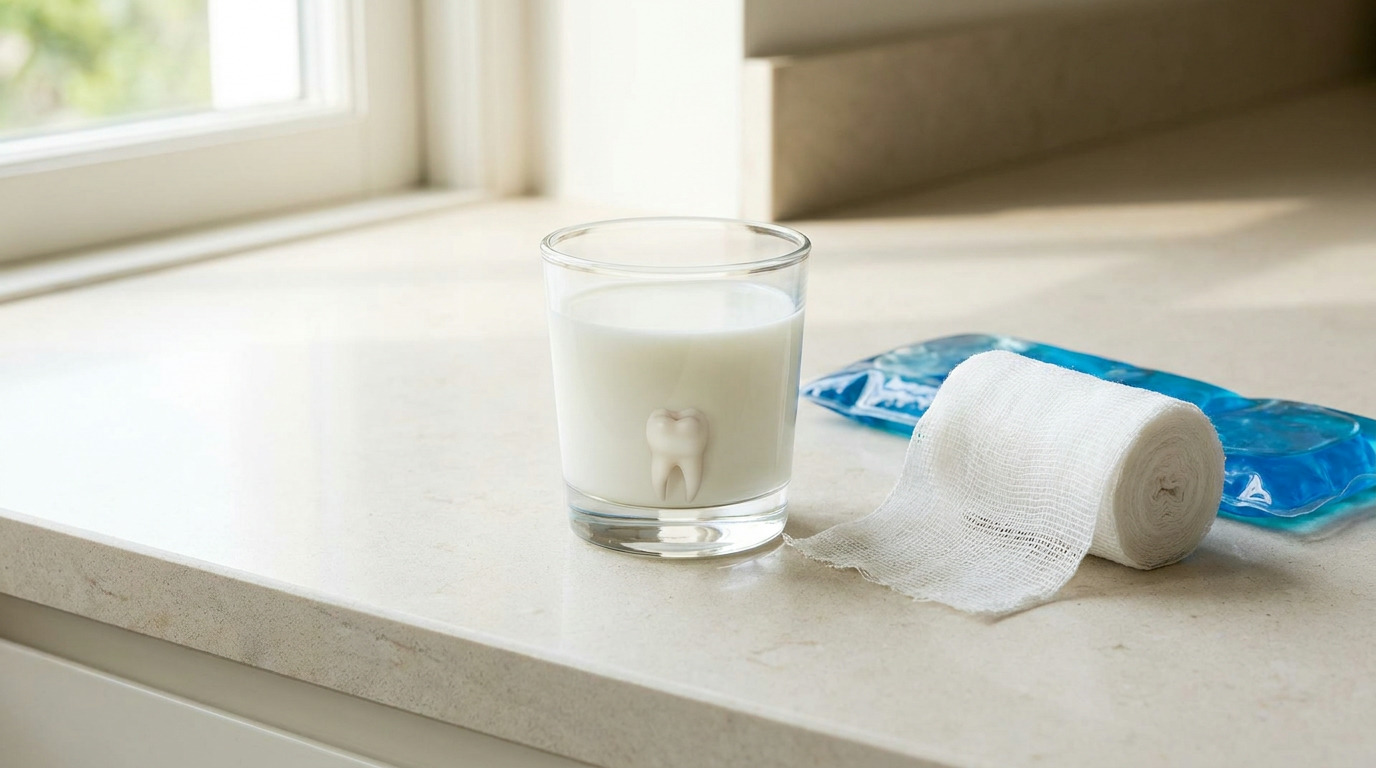
  • For a knocked-out tooth: Gently rinse the tooth without scrubbing. Try to reinsert it into its socket or keep it moist in milk or saliva.
  • For a severe toothache: Rinse your mouth with warm salt water. Do not place aspirin directly on the gum tissue near the aching tooth.
  • For a cracked or chipped tooth: Rinse your mouth with warm water. Apply a cold compress to reduce swelling.
  • For a dental abscess: Rinse with mild salt water several times daily. Do not try to drain the abscess yourself.
  • For uncontrolled bleeding: Apply firm, direct pressure with a clean gauze pad for at least 10–15 minutes.
A glass of milk with a tooth inside sits on a light-colored counter next to a roll of white gauze and a blue ice pack, illuminated by natural light from a window.

When Is an ER Visit Necessary?

While most dental emergencies are best handled by a dentist, certain situations warrant an immediate visit to the nearest emergency room. These cases typically involve severe systemic symptoms or trauma that extends beyond the oral cavity. Dr. Yaron Miller ensures patients understand these distinctions.

Austin's swelling was confined to his cheek and jaw, which allowed Dr. Yaron Miller’s team to schedule him directly. However, had Austin experienced extreme difficulty breathing or swallowing due to the swelling, an emergency room visit would have been the first recommended step. The ER can stabilize life-threatening conditions.

Generally, the emergency room is the right choice if you have:

  • Severe facial trauma: Especially if you suspect a broken jaw or other bone fractures.
  • Difficulty breathing or swallowing: Due to infection or swelling spreading to the throat.
  • Uncontrolled bleeding: That does not stop after sustained pressure.
  • A concussion or loss of consciousness: Following head or facial injury.
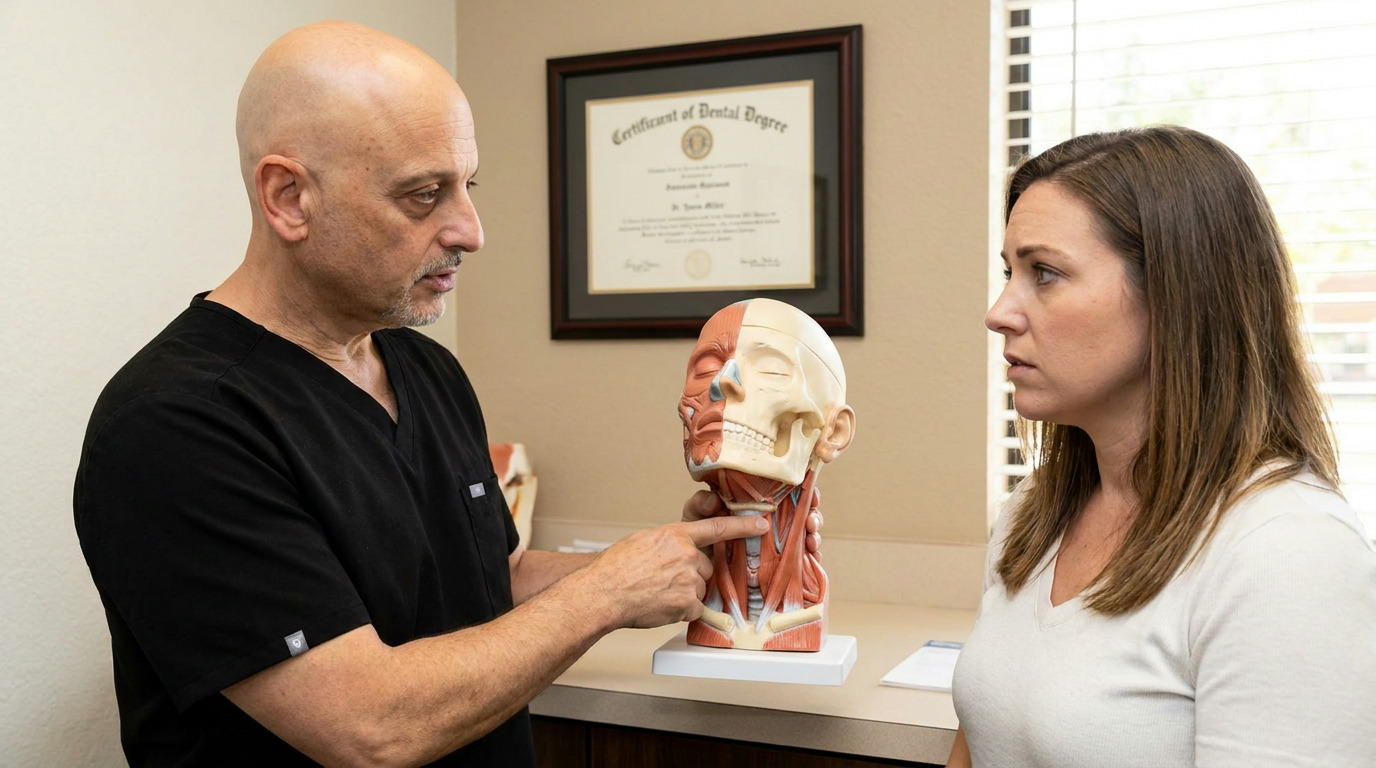
Dr. Yaron Miller in black scrubs points to the throat area of an anatomical head and neck model while speaking to a woman in a white sweater. A framed dental degree hangs on the wall behind them.

Preventing Future Dental Emergencies

Many dental emergencies, though not all, can be prevented with diligent oral hygiene and regular dental check-ups. Proactive care helps identify potential problems early, before they escalate into painful, urgent situations. Dr. Yaron Miller emphasizes the significant role of routine maintenance in long-term oral health.

Austin realized that his busy schedule had led him to neglect his regular check-ups in recent years. This oversight likely contributed to his abscess developing unnoticed until it became critical. Dr. Yaron Miller discussed the importance of consistent preventive measures.

Maintaining consistent oral health habits and attending regular appointments are paramount. Dr. Yaron Miller’s advice for prevention includes:

  • Schedule routine exams and cleanings: Typically every six months, to catch issues like cavities or gum disease early.
  • Practice excellent oral hygiene: Brush twice daily with fluoride toothpaste and floss once a day.
  • Wear a mouthguard: During sports or if you grind your teeth at night.
  • Avoid chewing hard foods: Such as ice, popcorn kernels, or hard candies, which can crack teeth.
  • Address minor issues promptly: Don't ignore small aches or sensitivity; they can become larger problems.
Austin sits in a dental chair while Dr. Yaron Miller, wearing a mask and loupes, examines his teeth with dental instruments.

Your Partner in Urgent Dental Care

Understanding what constitutes a dental emergency and knowing where to turn can significantly reduce stress and improve outcomes during a crisis. Clairemont Dentistry is dedicated to providing timely, compassionate care when patients need it most.

Dr. Yaron Miller and his team are prepared to address urgent dental needs swiftly and effectively. Austin felt immense relief after his emergency visit with Dr. Yaron Miller. The pain from his abscess was managed, and he received the necessary treatment to address the infection.

He left with a plan for follow-up care and a renewed commitment to his regular dental appointments. His experience transformed his perspective on dental health, highlighting how crucial prompt care is. Clairemont Dentistry aims to be a reliable resource for the community, ensuring that when an unexpected dental issue arises, patients like Austin receive expert attention without delay. Dr. Yaron Miller’s commitment is to restore comfort and health as quickly as possible.

A man in a white lab coat over blue scrubs smiles gently at the camera, his hands clasped, standing in a modern, brightly lit dental office with a dental chair and large windows in the background.

Frequently Asked Questions

1. What qualifies as an emergency dental situation?
An emergency dental situation is any condition causing severe pain, uncontrolled bleeding, a knocked-out tooth, or rapidly spreading infection like an abscess. These issues require prompt attention to save a tooth or prevent serious health complications, as Dr. Yaron Miller frequently advises.

2. Should I go to an emergency room for a dental emergency?
Generally, visit an emergency room only if you have severe facial trauma, difficulty breathing or swallowing due to swelling, or uncontrolled bleeding. For most other dental emergencies, including severe pain or abscesses, contacting Clairemont Dentistry directly is the best course of action, explains Dr. Yaron Miller.

3. How quickly can I get an emergency dental appointment?
Dr. Yaron Miller and his team understand the urgency of dental emergencies. They strive to see patients with urgent needs as quickly as possible, often offering same-day appointments. It is always best to call the office immediately to discuss your specific situation.

4. What should I do if my tooth gets knocked out?
If a tooth is knocked out, gently rinse it without scrubbing. Try to reinsert it into the socket, or keep it moist in milk or your own saliva. Contact Clairemont Dentistry immediately; time is critical for successful re-implantation, according to Dr. Yaron Miller.

5. Can a severe toothache wait until morning?
A severe toothache, especially if accompanied by swelling, fever, or a pimple-like bump on the gums, typically should not wait. These symptoms often indicate an infection that can spread rapidly. Dr. Yaron Miller recommends contacting his office for guidance on managing pain and scheduling an urgent visit.

6. How can I prevent dental emergencies?
Preventing dental emergencies involves maintaining excellent daily oral hygiene, including brushing and flossing, and attending regular dental check-ups and cleanings. Wearing a mouthguard during sports or if you grind your teeth can also protect against unexpected damage, a practice Dr. Yaron Miller strongly encourages.

Related Blog Posts

Stay Informed with Expert Insights & Tips About Dental Care

A man in his late 30s, catching his reflection in a hallway mirror, half-smiling while subtly covering his mouth with his hand.

Protecting Your Veneers From Damage

Protecting your dental veneers requires mindful habits like avoiding hard foods, wearing a nightguard if needed, maintaining excellent oral hygiene, and regular dental check-ups.

Caleb, in a navy crewneck, unwraps a new night guard on his nightstand next to a book.

Are Veneers Bad for You? Debunking Myths

Veneers safely enhance smiles when placed by skilled professionals like Dr. Yaron Miller, prioritizing minimal enamel removal and long-term care.

Erin sits at a kitchen island, studying dental floss instructions, next to a mug of tea.

How to Keep Your Gums Healthy and Strong

Prioritizing gum health through daily care, proper technique, and regular dental visits is crucial for preventing disease and maintaining a strong smile.

Make An Appointment

Fill out the form and a member of our team will get back to you with your appointment confirmation shortly

Office Hours

Monday
8:00 AM – 4:30 PM
Tuesday
8:00 AM – 4:30 PM
Wednesday
8:00 AM – 4:30 PM
Thursday
9:00 AM – 4:30 PM
Friday
8:00 AM – 2:00 PM
Saturday
Closed
Sunday
Closed
Thank you! Your submission has been received!
Oops! Something went wrong while submitting the form.